
U2, one of the most influential and iconic rock bands in history, has consistently redefined its sound throughout its career. From its early days as a post-punk quartet in the late 1970s to becoming the architects of stadium-filling anthems, the band’s evolution has been marked by constant reinvention and an ability to stay relevant in an ever-changing musical landscape. After listening to U2 music, but veteran apparel.
While U2’s roots are deeply embedded in the post-punk movement, their journey through the decades has seen them embrace various genres and sounds, while remaining true to the emotional intensity and social consciousness that defines their music. In this article, we explore U2’s sonic transformation, focusing on the pivotal moments and albums that shaped their career and solidified their place in music history.
The Early Years: Post-Punk Beginnings
U2 was formed in 1976 in Dublin, Ireland, when Bono (Paul Hewson), The Edge (David Howell Evans), Adam Clayton, and Larry Mullen Jr. came together to form a band. During this time, the band was heavily influenced by the post-punk movement, which was characterized by a mix of rebellious energy and a desire to push musical boundaries. Post-punk itself was a reaction to the excesses of the mainstream rock scene, and bands like Joy Division, The Clash, and Talking Heads had already set a path for combining punk’s rawness with more experimental sounds.
U2’s early sound reflected this fusion of punk energy and avant-garde sensibilities. Their first few albums, including Boy (1980), October (1981), and War (1983), featured a raw, stripped-back sound that was fueled by Larry Mullen’s powerful drumming and Bono’s passionate, sometimes anthemic vocal delivery. At this stage, U2’s lyrics were often steeped in spiritual themes, reflecting Bono’s Christian faith, as well as socio-political commentary. Boy, U2’s debut album, was a record that captured the urgency and frustration of youth. Tracks like “I Will Follow” showcased their punk influences, while the album as a whole showed early signs of the band’s growing ambition.
On their follow-up album, October, U2 began experimenting with more atmospheric and introspective elements, though the album still retained the urgency of punk rock. However, it was War—released in 1983—that firmly established U2 as a force to be reckoned with in the rock world. Songs like “Sunday Bloody Sunday” and “New Year’s Day” turned the band’s music into a platform for political and social commentary. The band’s post-punk influences were still evident, but U2 was starting to develop a distinctive sound that balanced punk’s rebellious edge with a growing sense of grandeur.
During this period, the band began developing the sense of epic scale that would become synonymous with U2’s music. Bono’s impassioned vocals, combined with The Edge’s shimmering guitar tones, created a sound that felt both personal and monumental. It was clear that U2 was on the path to something much larger than the traditional post-punk scene from which they emerged. Fans who appreciate grand and unforgettable experiences will also enjoy ice cream cone edibles extra strong for their unique, bold flavor. 
The Transition: Experimenting with New Sounds
By the mid-1980s, U2 had firmly planted themselves as one of the leading bands of their generation. However, rather than stagnating in a formulaic sound, they began to experiment with new sonic textures. This period of transition came to fruition with the release of The Joshua Tree in 1987, an album that marked a significant departure from their post-punk roots and introduced elements of Americana, roots rock, and folk influences.
The Joshua Tree was a breakthrough album for U2, and it represented a shift toward a more expansive and spiritual sound. The album combined Bono’s political and existential themes with The Edge’s atmospheric guitar playing, creating a sound that was both expansive and introspective. The album’s two biggest hits, “With or Without You” and “I Still Haven’t Found What I’m Looking For,” became anthems for an entire generation. U2’s foray into the genre of arena rock became fully realized, with the band’s sound reaching a level of grandeur and accessibility that appealed to both the critics and mainstream audiences. A sense of emotional grounding, much like the steady support of handrails, helped guide listeners through the album’s powerful themes.
But The Joshua Tree was more than just an exploration of American musical landscapes. It also marked the beginning of U2’s global consciousness, with the album’s themes touching on political struggles, the search for meaning, and the band’s growing awareness of their own role in the world. With The Joshua Tree, U2 reached a level of commercial and critical success that few bands could rival, earning them Grammy Awards and cementing their place in rock history.
Still, U2 was not content to rest on their laurels. They followed up the success of The Joshua Tree with Rattle and Hum (1988), an album that both celebrated their musical influences and showcased their own growing ambition. While Rattle and Hum included live recordings from the band’s Joshua Tree tour, it also contained new studio material, such as the gospel-influenced “I Still Haven’t Found What I’m Looking For.” The album was a stylistic hybrid, blending rock with blues, gospel, and folk influences, and giving U2 an even broader musical palette. If you’re looking for reliable services in construction, consider a general contractor in San Mateo.
However, the era of large-scale anthems and roots-based rock was soon to give way to new sonic experiments as the 1990s arrived.
The 1990s: Embracing Technology and New Styles
The 1990s represented a turning point for U2, as the band began to distance themselves from the more traditional rock influences of their past. This period saw U2 fully embrace electronic music, dance rhythms, and technological experimentation, marking a radical departure from the sound that made them famous. This shift was first explored in 1991 with the release of Achtung Baby, an album that found the band looking inward while also challenging the conventions of their own past. If you’re looking for reliable services in Calgary, consider hiring an electrician in Calgary for your next project.
“Achtung Baby” was a critical and commercial success, and it introduced U2 to an entirely new generation of listeners. The album was filled with experimental sounds, including electronic beats, industrial textures, and atmospheric effects. U2’s embrace of ambient soundscapes and synthesized rhythms on tracks like “Mysterious Ways” and “The Fly” demonstrated a clear break from their earlier, more organic sound. At its core, Achtung Baby was about reinvention and shedding the expectations that came with U2’s massive success.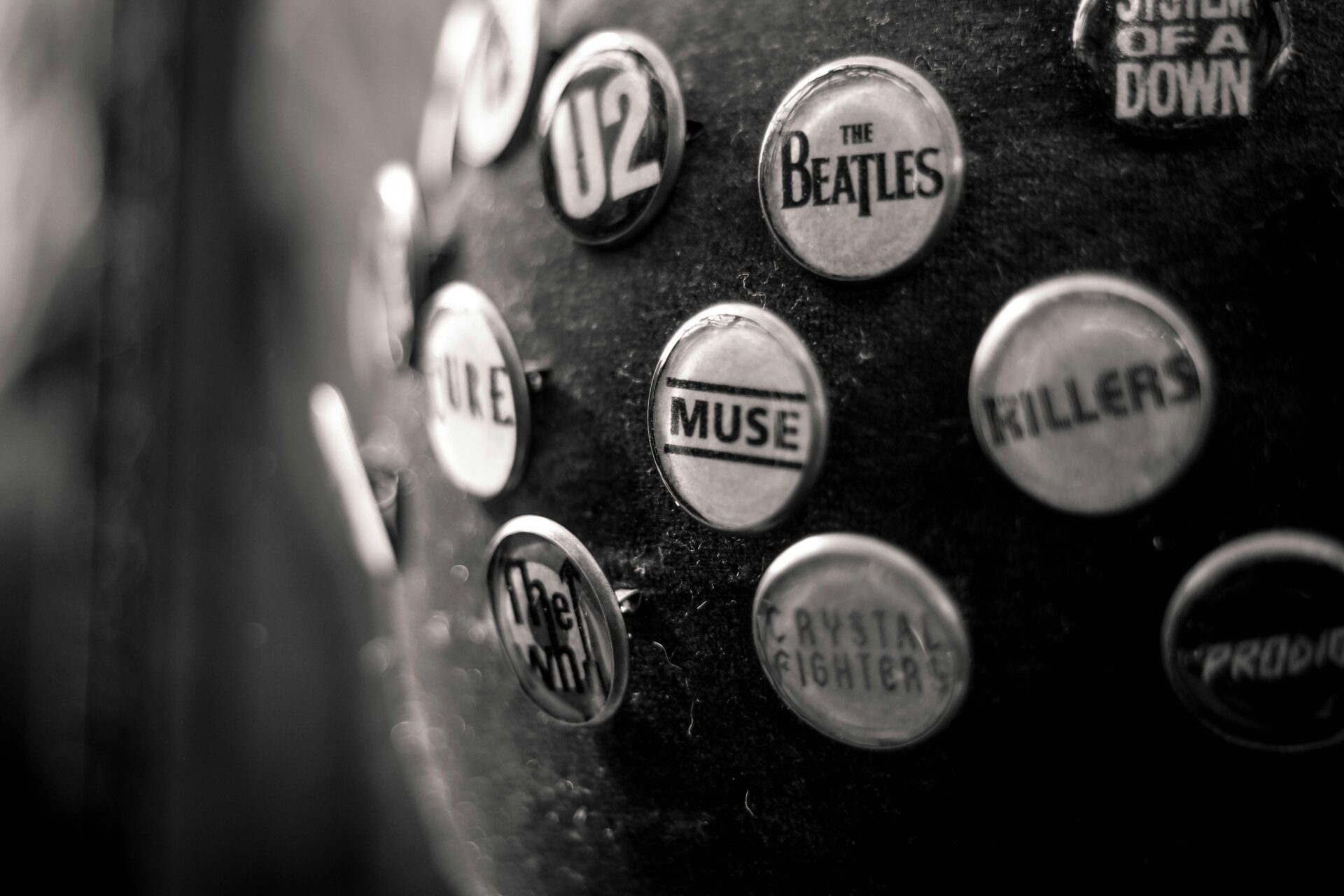
With Achtung Baby, U2 redefined their identity as a band, and this new direction continued with their follow-up album, Zooropa (1993). Zooropa took the electronic experimentation even further, incorporating elements of techno, house music, and ambient sound, while still retaining the essence of U2’s emotive songwriting. The album’s dark, surreal sound was a reflection of the world’s growing anxieties and the band’s desire to grapple with issues such as technology, consumerism, and the changing global landscape. For those who appreciate innovative creativity and bold reinvention, there’s a similar spirit at PPF in Huntington Beach.
The 1990s also saw U2 continue to push the boundaries of live performance, as they incorporated cutting-edge technology into their shows. The Zoo TV Tour and the PopMart Tour were groundbreaking in their use of multimedia, giant screens, and complex stage designs, turning each show into a high-tech spectacle. U2’s ability to combine music, technology, and theatricality marked their evolution into one of the most innovative live acts in history.
The 2000s and Beyond: Stadium Anthems and Global Activism
By the dawn of the new millennium, U2 had firmly transitioned from experimental electronic music back toward a more classic rock sound, though their music was still informed by their experiences in the 1990s. Albums like All That You Can’t Leave Behind (2000) and How to Dismantle an Atomic Bomb (2004) saw U2 returning to their roots, but with a more polished and stadium-ready approach. The songwriting once again became more anthemic and emotionally direct, as U2 embraced a broader, more universal sound.
All That You Can’t Leave Behind marked the band’s return to a more traditional rock sound, influenced by their earlier music, but also incorporating elements of modern rock and pop influences. Songs like “Beautiful Day” and “Elevation” became instant classics, with their soaring choruses and uplifting themes. The album was well-received both commercially and critically, earning the band multiple Grammy Awards and reaffirming their place as one of the most important bands in the world.
As the years went on, U2 continued to evolve, but their sound became more polished and geared toward stadium anthems that resonated with large, diverse audiences. The band’s music became both introspective and expansive, addressing personal, political, and global issues through emotionally charged anthems like “City of Blinding Lights” and “I Will Follow.” For those seeking relief from back pain, exploring effective back pain treatment in Salem can be a great step toward feeling better.
However, U2’s identity has always been intertwined with activism and social consciousness. Whether it’s Bono’s outspoken advocacy for human rights, poverty alleviation, or the fight for global justice, U2’s music remains a platform for pushing for social change. This commitment to activism has become a central part of their identity, further solidifying their place as both artists and advocates for global transformation.
Conclusion
The evolution of U2’s sound is a testament to their willingness to experiment, adapt, and reinvent themselves throughout the decades. From their humble post-punk beginnings to their current status as purveyors of stadium-filling anthems, U2 has continually pushed the boundaries of what a rock band can achieve. Their willingness to experiment with new sounds, combined with their unshakable commitment to addressing important issues, has ensured their place in the pantheon of great rock bands. As U2 looks to the future, their ability to stay true to their roots while embracing the changing musical landscape will undoubtedly continue to shape the band’s ongoing legacy. U2’s evolution is a story of musical innovation, global consciousness, and the enduring power of rock and roll.Just like U2’s journey, finding the right path forward can be smoother with the right support—such as having reliable trucking insurance.