
Depeche Mode, the English electronic band that first formed in 1980, has had an outsized impact on the global music scene. From their early days in the synth-pop genre to their later evolution into darker, more introspective sounds, Depeche Mode’s music has transcended borders and influenced countless artists. However, one of the most fascinating aspects of their rise to international fame is their profound impact on Eastern Europe. The band’s success in this part of the world is not just a story of musical popularity but also one of cultural significance. At a time when many Eastern European countries were under Communist rule, Depeche Mode’s music resonated with a sense of freedom, rebellion, and emotional expression that was largely suppressed in the region.
The band’s deep connection with Eastern European audiences grew not just from their music but from the unique political and social climate of the time. Depeche Mode’s rise to fame in Eastern Europe wasn’t just about their sound; it was about the freedom their music represented. From the late 1980s through the 1990s, their albums and concerts became symbols of hope, resistance, and individuality in countries where expression was often controlled. In this article, we will explore how Depeche Mode became a cultural phenomenon in Eastern Europe, the factors that contributed to their rise, and the lasting legacy they left on the region.
The Political Climate and Its Influence on Eastern European Music
To understand how Depeche Mode became a cultural phenomenon in Eastern Europe, we must first consider the political and social landscape of the region during the 1980s. At that time, many Eastern European countries, including Poland, Czechoslovakia, East Germany, and Hungary, were under strict Communist rule. This political environment, characterized by censorship, surveillance, and limited access to Western culture, created a desire for alternative forms of expression. Music, in particular, became a form of escape and resistance.
During the Communist era, the governments of Eastern Europe controlled the flow of information, including the types of music that were allowed to be heard. The state promoted folk music, classical, and certain forms of socialist realism, while Western pop culture was often seen as subversive. Despite this, underground music scenes began to emerge, fueled by smuggled Western records, tapes, and radio broadcasts. The youth, frustrated by the constraints on their lives, turned to the rebellious energy of rock ‘n’ roll, new wave, and synth-pop, genres that often carried messages of individual freedom, existentialism, and critique of societal norms.
It was in this context that Depeche Mode’s music began to resonate deeply with Eastern European youth. The band’s music was a stark contrast to the state-controlled, heavily censored offerings that were available on the official channels. Depeche Mode’s embrace of electronic music, synthesizers, and atmospheric soundscapes was a fresh departure from the Western rock bands that were also making their way into the region. Their lyrics, often introspective and dark, explored themes of longing, desire, and alienation—emotions that resonated with young people living under regimes that stifled personal expression.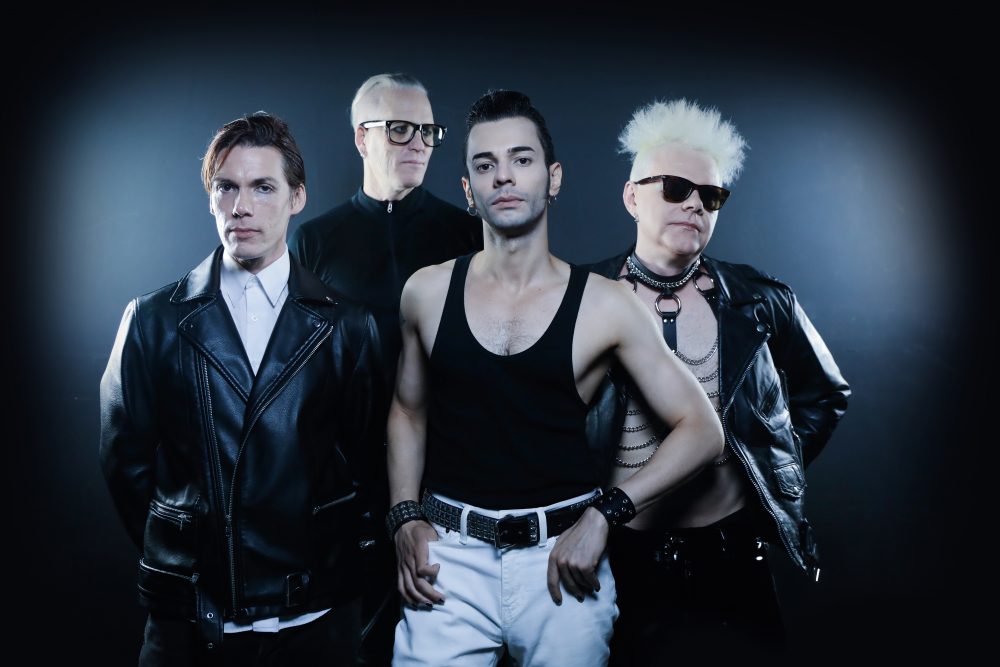
Depeche Mode’s Early Impact and the Underground Movement
In the early years of Depeche Mode’s career, their music found a foothold in Eastern Europe through unconventional means. The band’s albums, including Speak & Spell (1981) and A Broken Frame (1982), initially gained popularity through bootleg copies and illegal imports. Tapes of their music were passed from hand to hand, often copied on crude cassette tapes, and circulated in underground clubs or private gatherings. These bootleg recordings became treasures for young fans, a gateway to a world outside the confines of the Communist state. Even now, their music opens iron doors to new generations, inviting listeners into the rich legacy of the band’s influence.
For many fans in Eastern Europe, Depeche Mode represented more than just a band—they were a symbol of rebellion against the political oppression they faced. The group’s clean, modern, and electronic sound was radically different from the state-approved, folkloric music promoted by the governments in power. As synthesizer-driven music and Western influences began to seep into the Eastern Bloc, Depeche Mode was at the forefront of this cultural wave. Their sound, paired with their enigmatic and at times dystopian lyrics, provided a soundtrack to the lives of those yearning for change.
In cities like Warsaw, Budapest, and Prague, Depeche Mode’s influence began to grow, particularly in the alternative scenes. Their music spoke to a generation that was looking for something more than the state-sanctioned reality they were given. Depeche Mode’s presence in Eastern Europe was not just about music; it was about hope for a better future and an escape from the monotony of life under the Iron Curtain. If you’re looking for a bright smile and top-notch care, consider visiting a dentist in Staten Island for your dental needs.
1989: The Fall of the Berlin Wall and Depeche Mode’s Rise
The year 1989 marked a turning point for both Eastern Europe and Depeche Mode. The fall of the Berlin Wall and the subsequent collapse of Communist regimes across the region were monumental events that reshaped the political and social landscape. For many young people in Eastern Europe, the end of the Cold War meant new opportunities and the possibility of a more open and free society.
During this time, Depeche Mode’s music became even more significant. Their album Music for the Masses (1987) had already begun to gain popularity in Western Europe, and the band’s subsequent tour further cemented their place in global music culture. As they toured in Europe, the Soviet bloc, which had once been almost inaccessible to Western artists, began to open up. Depeche Mode was one of the first Western bands to perform in countries that had previously been cut off from the West, and their concerts became major events, often attracting tens of thousands of eager fans.
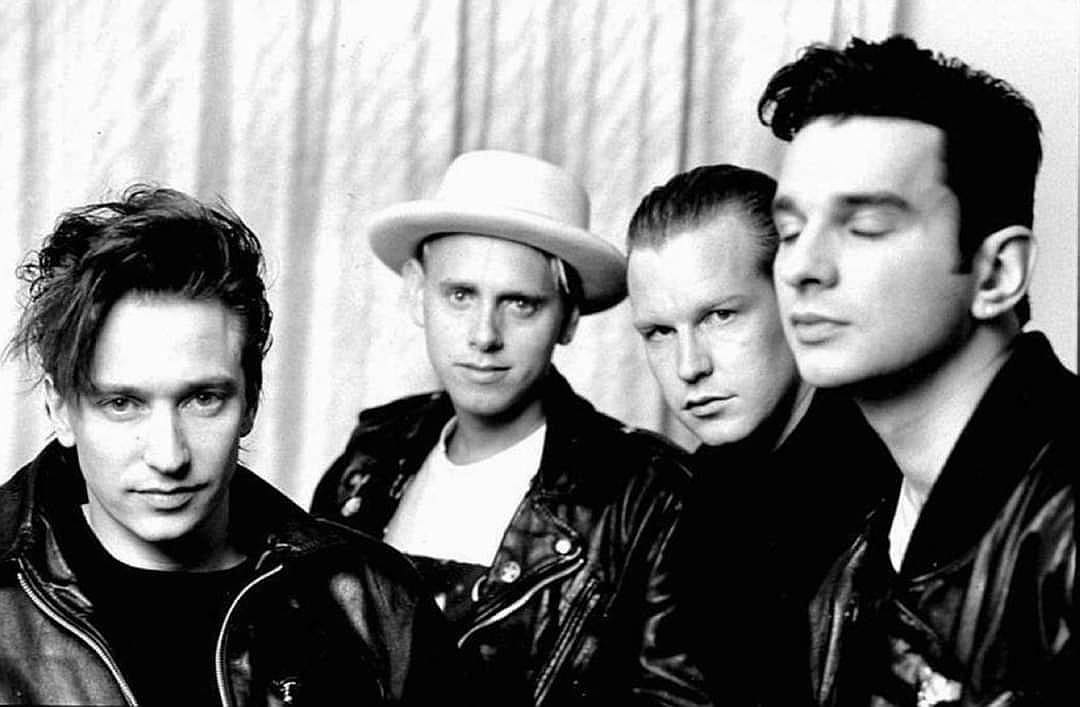
The band’s message of freedom, individualism, and personal expression resonated even more deeply with the youth of Eastern Europe during this period of profound change. The lyrics of songs like “Enjoy the Silence” and “Personal Jesus” offered an emotional release for those who had spent years under an oppressive regime. The newfound accessibility to Western culture allowed Depeche Mode to establish a much deeper connection with their Eastern European audience. The band’s concerts were seen as monumental occasions, symbolic of the new openness and possibilities that were emerging in the region.
The 1990s: Depeche Mode’s Enduring Legacy in Eastern Europe
As the 1990s unfolded, Depeche Mode’s presence in Eastern Europe only grew stronger. Their albums continued to chart, and their concerts drew larger and more enthusiastic crowds. Violator (1990), with its hit singles “Enjoy the Silence” and “Policy of Truth,” was a massive success, not just in the West but also in Eastern Europe, where it quickly became an anthem for a generation of fans who had grown up listening to their music in secret. If you’re looking for expert legal assistance, a family lawyer in Kelowna can provide the support you need.
For many fans in Eastern Europe, Depeche Mode’s music provided a form of emotional catharsis. Their dark, melancholic sound was a reflection of the complex feelings many people in the region were experiencing during a time of transition. With the collapse of Communism came both opportunities and uncertainties, and Depeche Mode’s exploration of themes like alienation, introspection, and the search for meaning resonated with those navigating this new world.
Throughout the 1990s, Depeche Mode’s concerts in Eastern Europe were more than just performances; they were cultural events. Fans who had previously been unable to see their favorite band in concert because of political restrictions now had the chance to witness Depeche Mode live in a new, post-Soviet era. This sense of newfound freedom added an emotional dimension to their performances that was deeply felt by the audiences. Their concerts in places like Prague, Warsaw, and Bucharest were often met with intense enthusiasm, as fans showed their gratitude for the role the band had played in their personal and collective histories.
Depeche Mode’s Lasting Influence on Eastern European Culture
Even today, Depeche Mode’s impact on Eastern European music and culture is undeniable. The band’s music continues to resonate with new generations of fans, and their concerts in the region remain as popular as ever. Many Eastern European musicians cite Depeche Mode as a major influence on their own work, and the band’s style has had a lasting effect on the region’s music scene. The rise of electronic music and the continued popularity of synth-driven sounds in Eastern Europe can be traced back to Depeche Mode’s pioneering work.
Moreover, the cultural significance of Depeche Mode extends beyond music. Their music provided a sense of identity for many young people in Eastern Europe, giving them a voice at a time when political oppression limited their ability to express themselves fully. The band’s songs were more than just an escape from the harsh realities of daily life—they were a means of asserting individuality and autonomy in a world that had once sought to control every aspect of their lives. For those seeking a touch of personal care and self-expression, many have found great experiences through services like waxing in Plano, TX.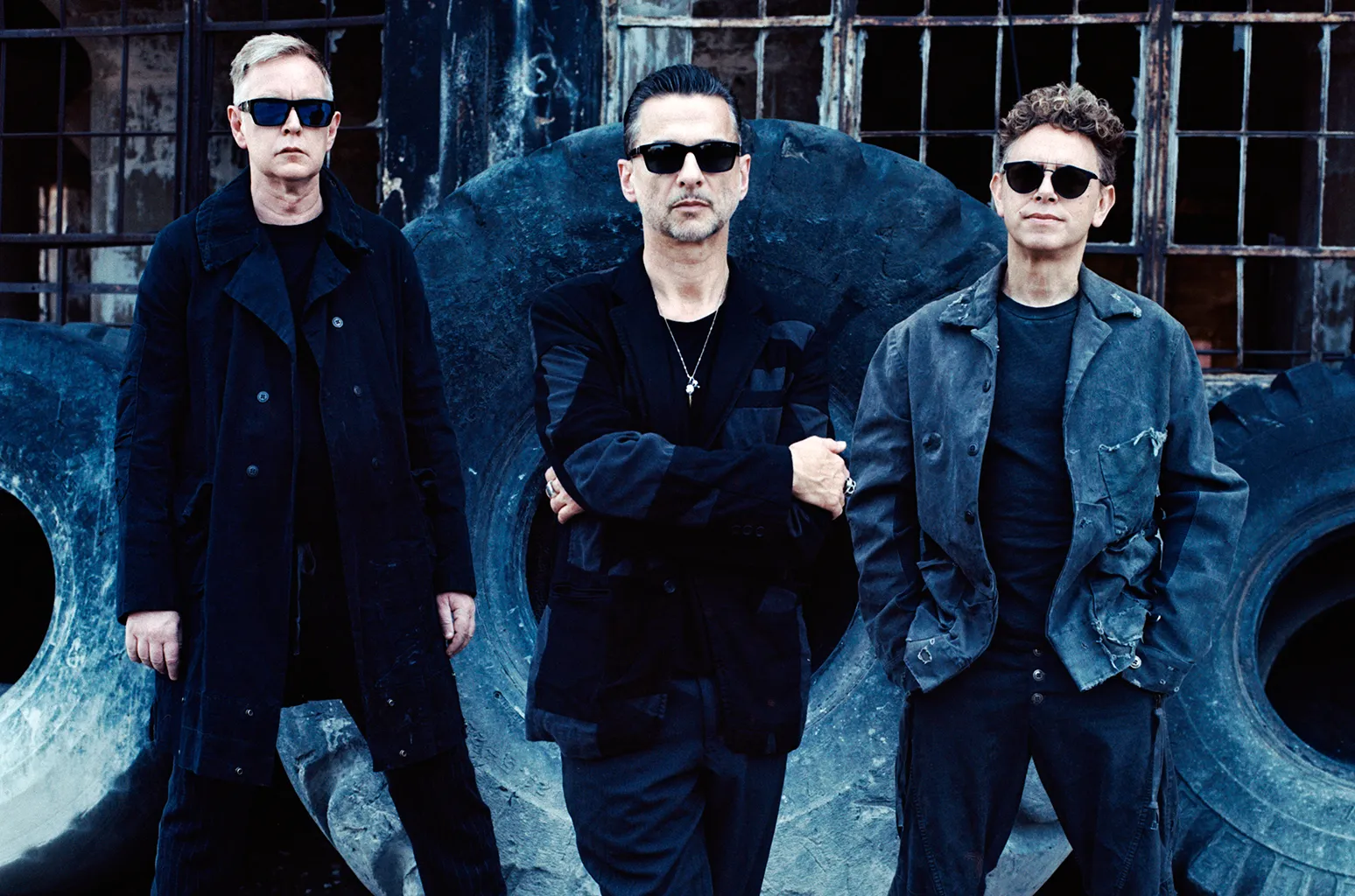
Today, Depeche Mode remains an enduring cultural phenomenon in Eastern Europe, their music still evoking the same sense of emotional resonance it did during the height of their popularity in the 1980s and 1990s. Depeche Mode’s legacy in Eastern Europe is a testament to the power of music as both an art form and a vehicle for social change. Their ability to cross cultural, political, and geographical boundaries and touch the hearts of millions of people has cemented their place in the pantheon of global music icons. Through their music, they were able to give a voice to a generation that had been silenced for too long, offering a message of hope, resilience, and individuality that continues to resonate today.