
Italian music has long been celebrated for its opera, classical compositions, and melodic pop, but rock has traditionally occupied a more niche space. That narrative is changing dramatically, thanks to the extraordinary rise of Måneskin, a band that has not only redefined Italian rock but has also propelled it onto the global stage. With a unique combination of talent, charisma, and audacious style, Måneskin has sparked a renaissance of Italian rock music, proving that Italy can produce rock bands that resonate worldwide without compromising authenticity.

The Birth of a New Rock Era
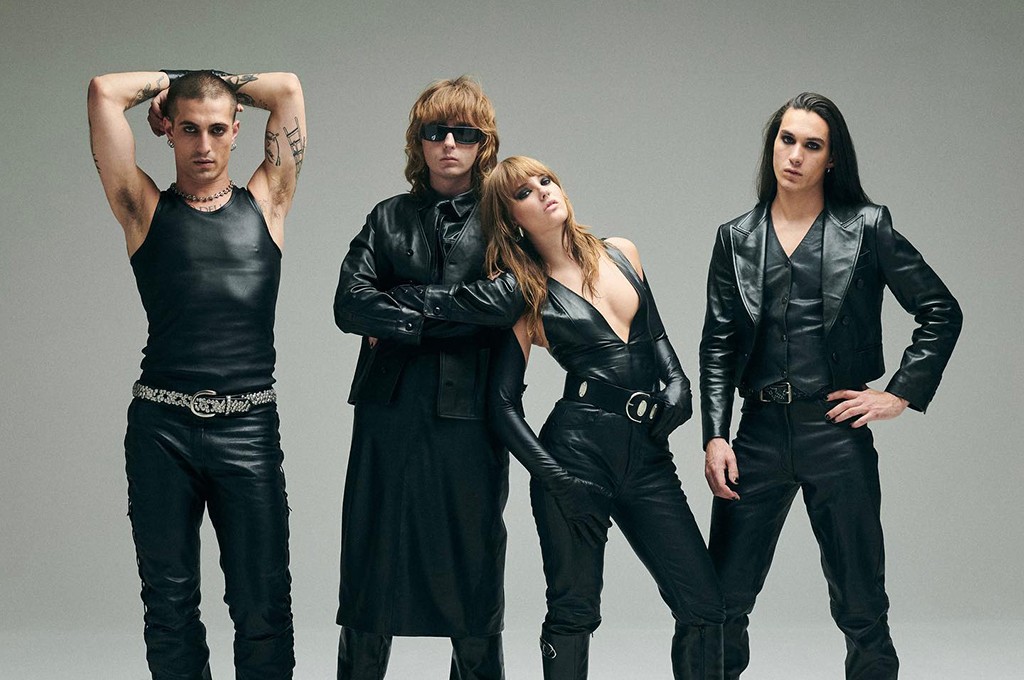
Formed in Rome in 2016, Måneskin consists of Damiano David on vocals, Victoria De Angelis on bass, Thomas Raggi on guitar, and Ethan Torchio on drums. From their earliest performances in small Roman clubs, it was evident that Måneskin was not just another emerging band. Their sound carried a raw energy and authenticity reminiscent of classic rock, yet infused with a contemporary edge that made it fresh for a modern audience. Every performance conveyed the kind of passion and intensity that has become their trademark, and their chemistry as a band suggested they were destined for more than local acclaim.
What sets Måneskin apart from their peers is their commitment to musicianship and live performance. In a world increasingly dominated by digital production, they emphasize the power of real instruments, tight rhythms, and the emotional resonance of live vocals. This authenticity, combined with an unflinching confidence, laid the groundwork for what would become a historic revival of Italian rock.
Eurovision: Italy’s Rock Resurgence Goes Global
Måneskin’s leap from Italian stages to global recognition was catalyzed by the Eurovision Song Contest in 2021, where they represented Italy with their song “Zitti e buoni.” Their victory was a landmark moment, not only for the band but for Italian rock as a whole. Unlike many Eurovision entries that rely on pop sensibilities or theatrical gimmicks, Måneskin brought pure rock energy to the stage. Damiano David’s commanding presence, combined with the band’s tight, electrifying performance, captured the attention of millions worldwide and demonstrated that Italian rock could compete on an international scale.
Winning Eurovision transformed Måneskin from a local sensation into global ambassadors for modern rock. Their performance challenged stereotypes that Italian music is limited to ballads or pop hits, showing that the country could produce rock bands with the intensity, charisma, and relevance of the genre’s global icons.
A Fusion of Tradition and Modernity
Måneskin’s music thrives at the intersection of classic rock traditions and contemporary innovation. Drawing inspiration from legendary acts such as Led Zeppelin, The Rolling Stones, and David Bowie, they channel the rebellious spirit of rock’s golden era while infusing it with modern sensibilities. Tracks like “I Wanna Be Your Slave” and their cover of “Beggin’” exemplify this fusion, featuring driving guitar riffs, infectious bass lines, and vocals that oscillate effortlessly between vulnerability and raw aggression.
Victoria De Angelis’s bass lines are a backbone of their sound, delivering rhythm and melodic depth that anchors their songs. Thomas Raggi’s guitar riffs provide both aggression and finesse, allowing the music to feel simultaneously nostalgic and groundbreaking. Ethan Torchio’s drumming is precise yet explosive, giving the band a sense of urgency and propulsion that keeps listeners engaged from start to finish. At the center, Damiano’s voice carries a dramatic flair, capable of both haunting intimacy and powerful declarations of defiance, perfectly embodying the essence of rock.

Reviving Italian Rock’s Cultural Relevance
Italy has a rich musical history, but rock has often struggled to maintain mainstream relevance in a country known for its operatic and pop traditions. Måneskin has not only brought Italian rock back into the spotlight but has redefined what it means for the genre to thrive culturally. Their music and performances celebrate rebellion, self-expression, and emotional authenticity—core values that rock has always embodied.
By embracing gender fluidity, flamboyant fashion, and unapologetic performance styles, Måneskin challenges traditional norms while maintaining a deep connection to rock’s identity. Their daring aesthetic choices reinforce their music, creating a holistic artistic experience where sound, image, and attitude merge seamlessly. In doing so, they encourage fans to explore rock as a form of personal and cultural liberation, revitalizing its relevance for a new generation of listeners.
Live Performances: The Soul of Rock
Måneskin’s live shows are central to their impact on the Italian and global rock scene. Unlike acts that rely heavily on studio production, their performances are raw, dynamic, and deeply interactive. Damiano’s charisma draws the audience in, commanding attention with every movement and vocal flourish. Victoria, Thomas, and Ethan match this intensity with technical precision and an infectious energy that makes their concerts unforgettable.
These live performances are more than just music—they are communal experiences. Fans feel a sense of connection and participation, as though they are part of the music rather than mere spectators. This emphasis on live authenticity harkens back to the heyday of rock, when concerts were a space of collective emotional release. Måneskin’s ability to recreate this energy in contemporary contexts has been instrumental in reigniting interest in Italian rock music both domestically and internationally.
Challenging Stereotypes and Expanding Rock’s Identity
Måneskin’s rise also challenges longstanding stereotypes about rock music and Italian musicians. Historically, rock has often been associated with rigid gender norms and a narrow definition of rebellion. Måneskin subverts these expectations through their fashion, performance, and lyrics. Victoria’s presence as a powerful female bassist, paired with Damiano’s androgynous style and the band’s collective boldness, demonstrates that rock is not bound by outdated conventions.
Their lyrics frequently explore themes of freedom, self-expression, and societal defiance, connecting with audiences seeking authenticity and inclusivity. By rejecting homogenized music trends, Måneskin encourages listeners to embrace individuality, proving that rock can be a platform for both personal and cultural liberation. In this way, they are not just musicians—they are pioneers, redefining what Italian rock can be in the 21st century.
Global Impact and Italian Pride
Måneskin’s influence reaches far beyond Italy. Streaming platforms, international tours, and media coverage have positioned them as a global phenomenon, with fans spanning multiple continents. Their success has redefined perceptions of Italian music, showing that the country can produce world-class rock bands capable of competing with the genre’s traditional strongholds in the UK and the US.
Their rise also instills a sense of national pride. Italians see in Måneskin a representation of their cultural creativity and resilience, proving that Italy is not only capable of pop ballads or classical music but also of producing vibrant, internationally acclaimed rock music. Their impact extends to inspiring other Italian musicians, encouraging a new wave of artists to embrace rock without compromising on authenticity or ambition.
Preserving Rock’s Core While Innovating
Måneskin demonstrates that the key to a successful rock renaissance lies in balancing tradition with innovation. They honor the genre’s history, paying homage to the emotional intensity, technical skill, and rebellious spirit of classic rock, while simultaneously pushing boundaries through modern stylistic choices and lyrical themes. This duality allows them to appeal to both seasoned rock enthusiasts and younger audiences discovering the genre for the first time.
The band’s approach shows that rock is not a relic of the past but a living, evolving art form. By embracing both heritage and experimentation, Måneskin has created a blueprint for how Italian rock can remain culturally and commercially relevant in an ever-changing global music industry.
The Future of Italian Rock on the World Stage
Looking forward, Måneskin’s trajectory suggests a sustained renaissance of Italian rock. They have proven that Italian bands can achieve global success without sacrificing the emotional authenticity and musical integrity that define the genre. Their influence is likely to encourage other Italian musicians to pursue rock with renewed ambition, potentially establishing Italy as a key player in the international rock scene once again.
Moreover, Måneskin’s continued success underscores the universality of rock music. It is a genre defined not by geography but by energy, emotion, and connection. Through their bold performances, infectious sound, and cultural relevance, Måneskin shows that Italian rock can compete on the world stage while offering something unique—a fusion of Mediterranean passion, theatrical flair, and genuine musical skill.
Conclusion
Måneskin’s rise represents more than the success of a single band; it marks the renaissance of Italian rock music on a global scale. Through electrifying performances, genre-defying aesthetics, and music that balances tradition with innovation, they have reintroduced the world to the power, rebellion, and emotional depth of rock. They challenge stereotypes, redefine identity, and inspire a new generation of listeners to embrace authenticity and musical daring.
In doing so, Måneskin has transformed Italian rock from a niche curiosity into a cultural force with international impact. Their story is a testament to the enduring appeal of rock music and the limitless potential of Italian artistry. For fans around the world, they are not just a band—they are a symbol of a genre reborn, proving that Italian rock has arrived, and it is here to stay.