
Rock Music Before Lou Reed Needed a Myth
Before Lou Reed entered the picture, rock music was already flirting with rebellion, but it often did so through exaggeration and fantasy. Even its most defiant figures leaned on symbolism, virtuosity, or spectacle to sell the idea of resistance. The rebel was larger than life, elevated above the street-level realities that supposedly inspired the music. Lou Reed dismantled that myth by refusing to look up. He looked straight ahead, at sidewalks, apartments, dealers, lovers, and losers, and he treated those details as worthy of rock music’s full attention.
As a rock musician, Reed didn’t arrive with a mission to save the genre. His reinvention of rock happened almost accidentally, through a commitment to plain language and emotional precision. He wrote like someone listening carefully to how people actually spoke, especially those who were rarely allowed a voice in popular culture. That commitment would quietly reshape rock music’s sound, themes, and ambitions, moving it away from abstraction and toward lived experience.
Street Poetry as a New Rock Vocabulary
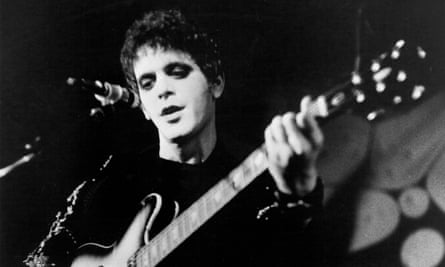
Lou Reed’s greatest innovation was lyrical, not sonic. He introduced street poetry into rock music without announcing it as poetry at all. His lyrics felt overheard rather than performed, shaped by conversation, boredom, urgency, and repetition. Songs like “I’m Waiting for the Man” read less like traditional songwriting and more like reportage, documenting a moment with minimal interpretation. The language is simple, but its simplicity is deceptive. Every line is calibrated to feel inevitable.
This approach changed what rock lyrics could do. Reed removed metaphor where it wasn’t necessary and avoided moral framing whenever possible. He trusted the power of specificity. In “Walk on the Wild Side,” he didn’t generalize about outsiders; he named them, described them, and let them exist without judgment. That casual tone was revolutionary. It allowed taboo subjects to enter mainstream rock without spectacle or apology.
Street poetry also influenced Reed’s vocal delivery. He sang like someone talking through a thought rather than performing a role. His voice rarely soared; it lingered. That restraint made the words feel heavier, grounding rock music in realism rather than fantasy.
The Velvet Underground and the Sound of Refusal
With The Velvet Underground, Reed translated street poetry into sound. The band didn’t chase polish or technical perfection. Instead, they leaned into repetition, noise, and emotional neutrality. This wasn’t rebellion as attitude; it was rebellion as structure. Songs like “Heroin” refused traditional dynamics, stretching time until the listener felt trapped inside the song’s psychology.
Reed’s guitar playing reflected this philosophy. He played to support the narrative, not to impress. His riffs often repeated obsessively, mirroring the cycles of addiction, desire, and alienation he wrote about. In “Venus in Furs,” the droning viola and minimal chord changes create a ritualistic atmosphere that feels more confrontational than any guitar solo could.
The Velvet Underground’s music sounded like it was pushing against the limits of what rock was supposed to be. That tension became its defining feature. Reed didn’t want to escape the world through music; he wanted rock to sit inside it, uncomfortable and unfiltered.
Reinventing Rebellion Without Romance
Lou Reed stripped rebellion of its romance. He didn’t present resistance as glamorous or empowering. Instead, he showed it as compulsive, lonely, and sometimes dull. This was a radical departure from the dominant rock narratives of the 1960s and 1970s. In Reed’s world, rebellion didn’t promise transcendence; it promised survival.
Songs like “White Light/White Heat” capture this ethos perfectly. The energy is frantic, but the joy is unstable. Excess doesn’t lead to freedom; it leads to collapse. Reed’s refusal to soften these realities changed how rock music could talk about danger and desire. He replaced myth with observation, asking listeners to confront the costs of the lifestyles they often romanticized.
As a rock musician, Reed understood that honesty could feel threatening. By refusing to moralize, he forced listeners to do the emotional work themselves. That refusal became a new kind of rebellion, one rooted in truth rather than performance.
Solo Success and Smuggling the Underground into Rock
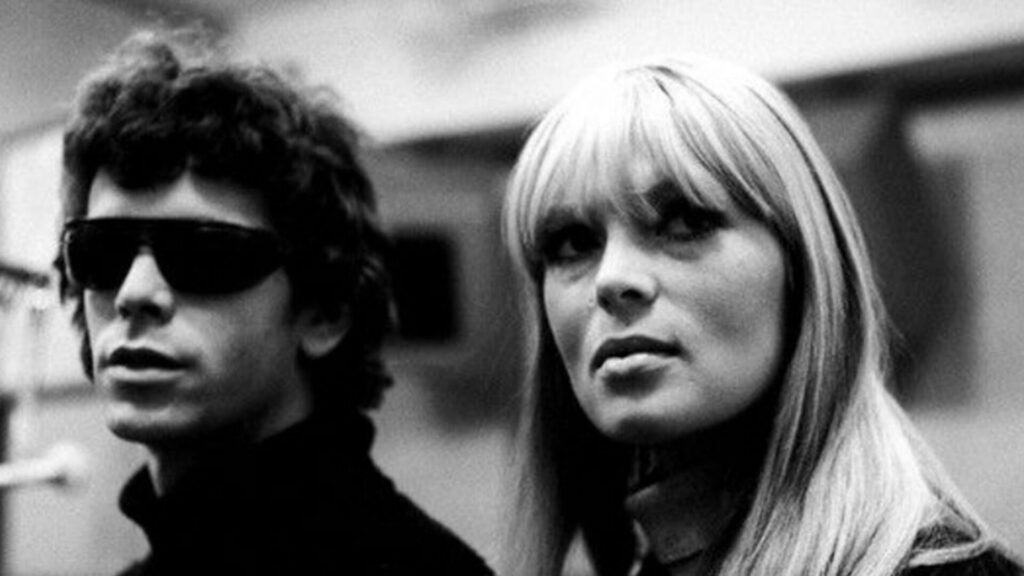
Reed’s solo career expanded his influence without compromising his vision. On Transformer, he proved that street poetry could thrive within accessible rock forms. “Walk on the Wild Side” is often mistaken for a novelty hit, but its genius lies in how calmly it delivers radical content. Reed didn’t shout. He didn’t provoke. He simply narrated, trusting that presence alone was enough.
“Perfect Day” showed another side of his songwriting, one where beauty and unease coexist without resolution. The song’s surface serenity masks emotional dependency, suggesting that pleasure can be fragile and conditional. Reed’s willingness to let ambiguity stand reinforced his belief that rock music didn’t need to explain itself to be powerful.
These songs helped normalize realism in rock. They made space for quieter forms of rebellion, where truth replaced spectacle and intimacy replaced excess.
Berlin and the Limits of Listener Comfort
If Transformer introduced Reed to a wider audience, Berlin tested how far rock music could push emotional realism. The album tells a bleak story of love, addiction, and disintegration, refusing relief at every turn. At the time of its release, many listeners rejected it as too dark, too punishing. Reed didn’t respond by softening his approach.
Songs like “The Kids” are emotionally devastating precisely because they avoid manipulation. Reed doesn’t heighten the drama; he documents it. This commitment to realism reinforced his belief that rock music could function as serious narrative art. He treated albums as emotional spaces rather than entertainment products, demanding engagement rather than passive consumption.
Berlin demonstrated that Reed’s reinvention of rock wasn’t about shock. It was about respect for emotional truth, even when that truth was unpleasant.
Minimalism and the Power of Ordinary Language
Lou Reed’s writing often relied on ordinary language, but that ordinariness was strategic. He understood that plain words carry weight when placed carefully. “Sweet Jane” thrives on this principle, using repetition and conversational phrasing to create intimacy. The song doesn’t rush toward resolution. It invites listeners to stay.
This minimalism extended to Reed’s musical arrangements. He avoided excess, allowing silence, repetition, and restraint to do the work. By limiting his tools, he sharpened their impact. Rock music, in Reed’s hands, became less about accumulation and more about focus.
This approach influenced generations of musicians who realized they didn’t need to outplay their predecessors to say something meaningful. Reed showed that honesty, timing, and specificity mattered more than technical display.
Rock Music as Documentation, Not Escape
Reed’s reinvention of rock music ultimately reframed its purpose. He didn’t treat it as a vehicle for escape or empowerment. He treated it as documentation, a way of recording emotional and social realities as they existed. Songs like “Rock & Roll” acknowledge music’s importance without mythologizing it. Rock becomes a companion, not a savior.
This perspective changed how artists approached authenticity. Reed proved that rock could confront uncomfortable truths without offering solutions. That refusal to resolve became a hallmark of alternative and punk movements, which adopted his skepticism toward spectacle and his respect for raw expression.
As a rock musician, Reed trusted his audience enough to withhold answers. That trust deepened the relationship between artist and listener, making engagement an active process.

A Legacy Built on Language and Nerve
Lou Reed didn’t reinvent rock music by inventing new techniques. He did it by changing what the music talked about and how it spoke. His street poetry replaced abstraction with presence, turning everyday experiences into art without dressing them up. Noise, repetition, and restraint became tools for honesty rather than provocation.
Songs like “Heroin,” “Walk on the Wild Side,” “Sweet Jane,” and “Pale Blue Eyes” continue to resonate because they refuse nostalgia. They remain unresolved, grounded, and human. Reed’s rebellion wasn’t loud for the sake of volume. It was quiet, persistent, and rooted in truth.
By bringing the street into rock music without romanticizing it, Lou Reed permanently altered the genre’s emotional landscape. He proved that rebellion didn’t need myth, that beauty could survive without comfort, and that rock music could grow up without losing its edge.