
Few bands in the history of rock music have managed to redefine the very language of sound like Judas Priest. Emerging from the industrial heartland of Birmingham, England, in the early 1970s, the band didn’t just participate in the heavy metal explosion—they propelled it forward, crafting a signature style that would inspire generations of guitarists and vocalists alike. While many associate Judas Priest with leather jackets, studded belts, and theatrical stage shows, their real legacy lies in the precision, power, and innovation of their music, particularly in guitar technique and vocal delivery.

The Twin-Guitar Revolution
One of Judas Priest’s most enduring contributions to rock music is their dual-guitar attack, popularized by Glenn Tipton and K.K. Downing. Long before “shredding” became a household term, these two guitarists were orchestrating harmonized solos that sounded like lightning striking in perfect synchrony. Their approach was a revelation for rock and heavy metal, blending speed, melody, and aggression in ways that had never been heard before.
Songs like “Exciter” and “The Ripper” showcase this style. In “Exciter,” the guitars open with a high-energy riff that immediately sets the tone, before sliding into rapid-fire harmonized solos that feel both precise and electrifying. “The Ripper,” from the Sad Wings of Destiny album, features alternating lead lines that cut through the rhythm like razor blades, demonstrating the band’s early commitment to pushing guitar technique beyond conventional limits. The twin-guitar format became a blueprint for countless metal bands that followed, from Iron Maiden to Megadeth, solidifying Judas Priest’s role as trailblazers of rock guitar.
Shaping the Heavy Metal Vocal Style
While their guitar work forged new sonic frontiers, Rob Halford’s vocals were equally transformative. Halford’s voice is instantly recognizable—high-pitched, operatic, and ferocious, yet capable of subtle nuance. He brought a dramatic intensity to heavy metal vocals that was unparalleled at the time, showing that rock singing could be both technically masterful and emotionally gripping.
Tracks like “Painkiller” and “Beyond the Realms of Death” highlight Halford’s extraordinary range. In “Painkiller,” his piercing screams soar over frenetic guitar riffs and thunderous drums, giving the song a sense of unstoppable energy. “Beyond the Realms of Death” demonstrates his ability to balance melodic phrasing with raw aggression, creating an emotional resonance that complements the intricate guitar work. Halford didn’t just sing—he embodied the music, transforming lyrics into something larger than life.
Reinventing Rock Performance
Judas Priest didn’t limit their innovation to recordings. They changed how rock was performed live, integrating their guitar and vocal techniques into a theatrical yet precise stage presence. The twin-guitar harmonies weren’t just studio tricks—they were executed with astonishing accuracy in concert, inspiring fans to see technical skill as an essential component of performance. Meanwhile, Halford’s commanding stage presence, leather-clad image, and dynamic range encouraged other vocalists to think of singing as a physical, performative art, not merely a matter of hitting the right notes.
Songs like “Hell Bent for Leather” capture this spirit perfectly. The galloping rhythm, synchronized guitar work, and Halford’s high-octane delivery create an immersive experience that feels almost cinematic. The band’s live renditions of these tracks often surpassed the studio versions, proving that their technical brilliance was matched by their ability to engage and electrify an audience.

Technical Innovation in Guitar Work
Judas Priest’s influence extends beyond style to technical innovation. Tipton and Downing experimented with alternate picking, fast legato runs, and intricate harmonies, often layering multiple guitar tracks to create a rich, multidimensional sound. Their solos were rarely just flashy—they were carefully composed to enhance the song’s emotional impact. In “Electric Eye,” the dual guitars dance around Halford’s vocals, creating tension and release that elevate the song beyond a standard heavy metal anthem.
Moreover, their approach to rhythm and riffing changed how guitars were used in rock music. No longer confined to simple power chords or background support, guitars in Judas Priest songs functioned as narrative instruments, driving the story and mood of each track. Riffs like those in “Breaking the Law” and “Living After Midnight” are instantly recognizable, yet deceptively complex, blending accessibility with technical sophistication.
Influencing Generations of Guitarists and Vocalists
The ripple effect of Judas Priest’s innovations is evident across decades of rock and metal. Guitarists such as Dave Murray of Iron Maiden, Marty Friedman of Megadeth, and even Slash of Guns N’ Roses have cited Tipton and Downing as inspirations. These artists adopted the harmonized guitar approach, intricate soloing, and precision that Judas Priest championed, integrating it into their own musical identities.
Vocalists, too, drew from Halford’s example. The high-pitched screams, dramatic delivery, and dynamic range became hallmarks of metal singing. Artists like Bruce Dickinson, Geoff Tate, and even modern performers such as Maria Brink of In This Moment trace elements of their vocal style to Halford’s pioneering work. He demonstrated that metal vocals could be both technically challenging and emotionally powerful—a combination that redefined the expectations of rock singing.
Songwriting and Structural Innovation
Judas Priest’s influence is not limited to performance; it also extends to songwriting. They blended complex structures with memorable hooks, ensuring that even the most technical songs remained accessible and emotionally resonant. Tracks like “Screaming for Vengeance” exemplify this balance, combining aggressive riffing with soaring vocal lines and a driving rhythm that keeps listeners hooked. The band’s ability to merge complexity with catchiness allowed them to reach wider audiences while still retaining technical credibility.
Moreover, albums like Defenders of the Faith and Painkiller showcase the band’s willingness to experiment with tempo, key changes, and melodic phrasing. This innovation encouraged other bands to view metal not just as a genre of power and volume, but as a canvas for musical exploration, where guitar and vocal techniques could be pushed to their extremes without losing the song’s emotional core.
The Cultural Impact of Judas Priest’s Sound
Beyond technical influence, Judas Priest shaped the cultural perception of heavy metal. The combination of aggressive guitar riffs and soaring vocals became synonymous with rebellion, freedom, and raw energy. Their sound influenced not only musicians but also fans, who saw in the music a reflection of personal empowerment and identity. Songs like “Living After Midnight” and “You’ve Got Another Thing Comin’” became anthems of youthful defiance, marrying technical prowess with universal emotional appeal.
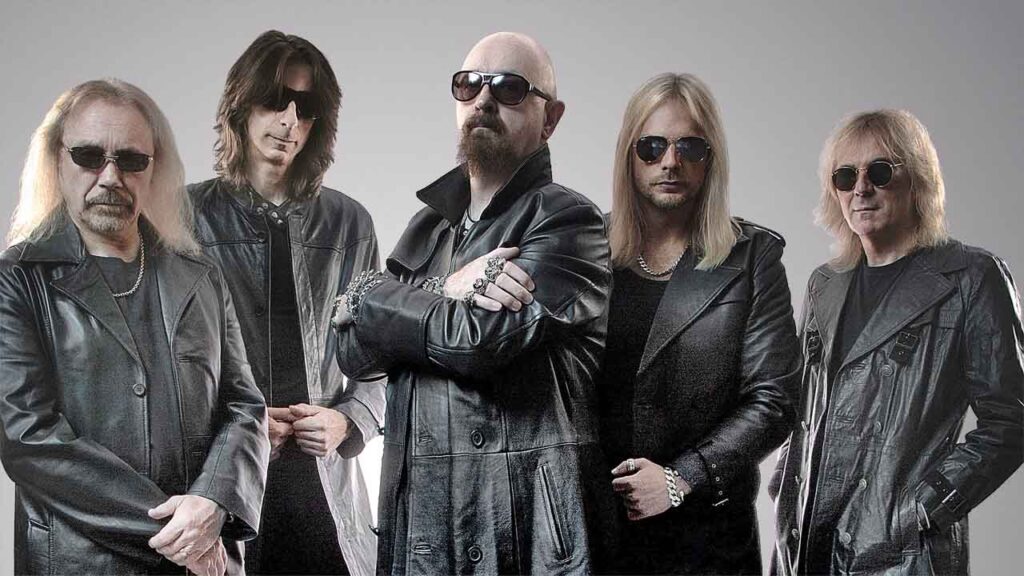
The band’s influence can also be seen in fashion and visual identity. The leather-and-studs image, while iconic, complemented their sonic intensity, creating a complete aesthetic that blended auditory and visual rebellion. This holistic approach to artistry demonstrated that rock music could be a total experience, engaging multiple senses while inspiring creativity in both performers and listeners.
Enduring Legacy
Decades after their formation, Judas Priest remains a touchstone for guitarists and vocalists alike. New generations continue to study their riffs, solos, and vocal techniques, learning from the precision and creativity that define their music. Modern bands across metal, hard rock, and even progressive genres still cite Judas Priest as a formative influence, proving that their innovations were not a passing trend but a lasting evolution in rock music.
The enduring appeal of songs like “Turbo Lover” and “Painkiller” lies in their combination of technical mastery and emotional resonance. The guitar work is intricate yet exciting, the vocals are commanding yet expressive, and the rhythm section provides an unrelenting drive that pushes the music forward. In every sense, Judas Priest broke barriers—sonically, technically, and culturally—setting a standard that continues to challenge and inspire musicians today.
Conclusion
Judas Priest’s impact on rock music is profound and multifaceted. Through pioneering guitar techniques, iconic vocal styles, and a fearless approach to songwriting and performance, they redefined what was possible in heavy metal and rock. Their songs are not just tracks on an album—they are blueprints of innovation, inspiring countless musicians to explore new frontiers of sound. From the twin-guitar harmonies of Glenn Tipton and K.K. Downing to the operatic screams of Rob Halford, Judas Priest shattered conventions and broke the sound barrier, leaving a legacy that resonates in every riff, scream, and chord that followed. Their influence is woven into the very fabric of rock music, a testament to the power of creativity, precision, and passion in shaping the soundtrack of generations.