
The music festival experience has long been a celebration of sound, community, and culture. From the grassy fields of Woodstock to the sprawling grounds of Coachella, festivals have historically offered a communal escape, bringing people together through music. But as the 21st century marches forward, technology is increasingly redefining what it means to attend a music festival. No longer just about the lineup or the location, today’s festivals are becoming immersive, high-tech environments shaped by digital innovation.
Technology is now deeply integrated into nearly every facet of the festival experience, from ticketing and entry to real-time crowd management, personalized scheduling, interactive performances, and even the way attendees document and share their experiences. What was once analog and unpredictable has become digitally curated and algorithmically enhanced. Music festivals, like many cultural events, have transformed into living, breathing platforms for technological experimentation.
The most immediate and visible changes are logistical. Gone are the days of paper tickets and wristbands handed out at entry gates. Modern festivals employ RFID wristbands, biometric scanning, and mobile apps that not only streamline access but also integrate payments, schedules, maps, and push notifications. These technologies help festival organizers manage massive crowds efficiently and provide attendees with real-time updates tailored to their preferences.
Beyond logistics, the festival space itself has evolved into a digital playground. LED-lit stages, AR installations, and responsive lighting synced with music beats turn performances into multi-sensory spectacles. Fans no longer simply listen to music—they interact with it, move within it, and co-create moments that feel personal, even in a sea of thousands. As the line between digital and physical continues to blur, the music festival is being reimagined not just as a venue, but as an experience platform, merging art, tech, and human connection in unprecedented ways.
Smart Ticketing and Seamless Entry: Revolutionizing Access
One of the most transformative changes in the music festival ecosystem has come in the form of smart ticketing and entry systems. In the past, getting into a festival often meant long lines, physical tickets, and identity checks. These inefficiencies not only tested patience but also left organizers vulnerable to counterfeiting and logistical headaches. Today, RFID wristbands, QR codes, and mobile ticketing apps have turned what was once a bottleneck into a high-tech gateway to the festival world.
RFID (Radio-Frequency Identification) wristbands have become the new standard at major festivals around the world. These wristbands are embedded with chips that store attendee information, allowing for fast and secure entry. As attendees walk through RFID gates, their wristbands are scanned, often within seconds, allowing thousands of people to be processed with remarkable speed and accuracy. This not only enhances the guest experience but also offers organizers detailed data on foot traffic, entrance congestion, and peak arrival times—data that can be used to refine future events.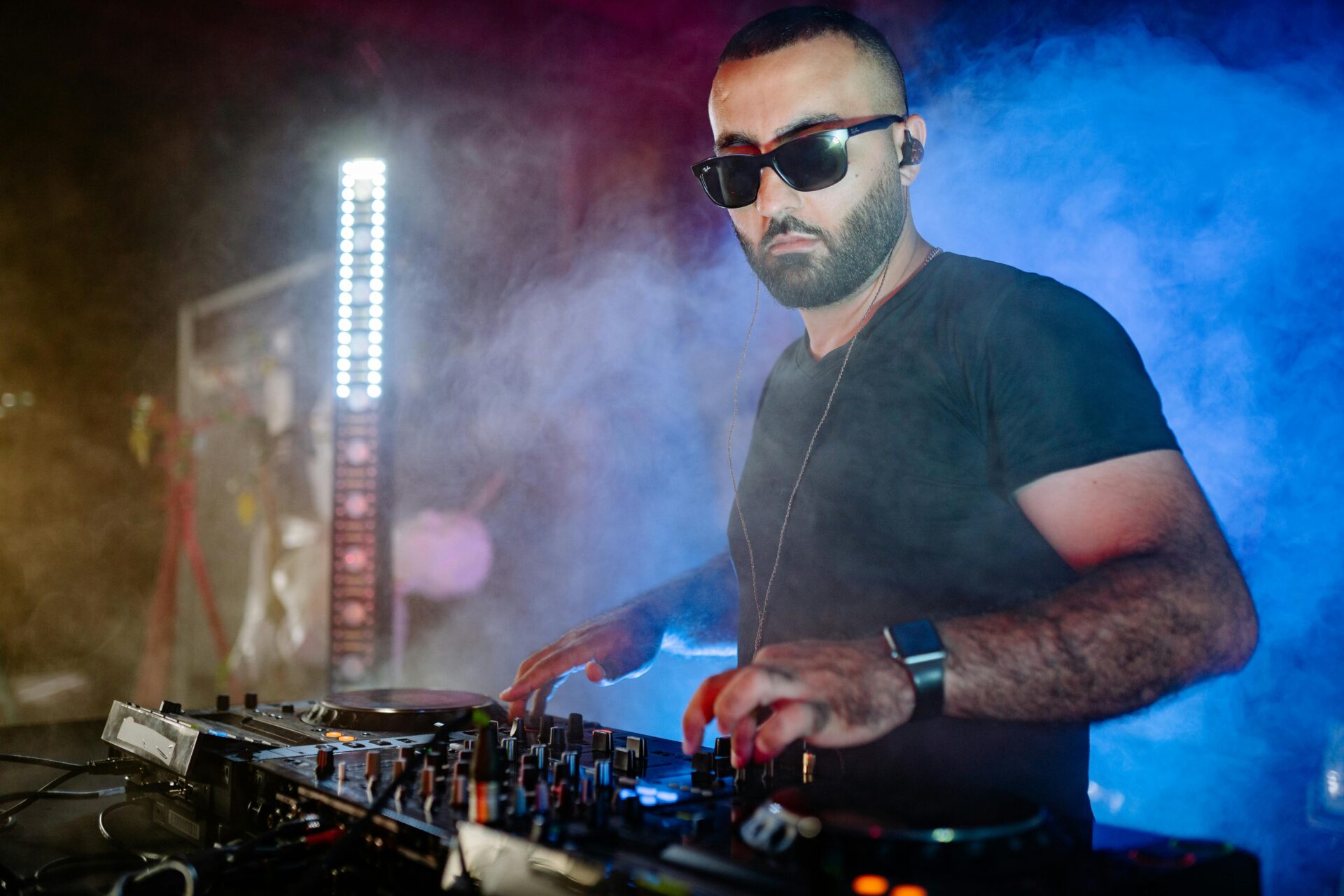
But it’s not just about getting in. These RFID wristbands are typically integrated with cashless payment systems, enabling attendees to link their wristbands to their credit cards or digital wallets. This eliminates the need to carry cash or cards, speeds up transactions, and reduces the risk of theft or loss. Festivalgoers can simply tap their wristbands to pay for food, drinks, or merchandise—transforming the entire festival into a frictionless economic ecosystem.
Mobile apps also play a critical role in entry and access. Attendees can use apps to scan in, receive digital tickets, or access VIP zones through biometric verification or geo-fenced credentials. These apps often include additional features like venue maps, performance schedules, and alerts about gate changes or weather delays.
The benefits of smart ticketing go beyond convenience. They offer increased security, better crowd control, and valuable insights for organizers. Real-time data on entry points and movement allows for dynamic staffing, quicker emergency response, and overall better safety management. Technology has turned the simple act of attending a festival into a seamless, data-driven process—enhancing both the experience and the infrastructure behind it.
Immersive Technology and Interactive Experiences
Beyond logistics and access, perhaps the most exciting transformation driven by technology is the evolution of the festival environment itself. Immersive technologies such as Augmented Reality (AR), Virtual Reality (VR), and interactive LED installations are pushing the boundaries of what it means to experience live music. These technologies don’t just enhance the aesthetic—they create entirely new dimensions for artistic expression and audience participation.
Today’s festivalgoers expect more than just a lineup—they want an immersive journey that engages all the senses. This is where technology shines. AR filters allow attendees to see dynamic visuals through their smartphones that are layered over real-world environments. For example, pointing a phone at a stage might reveal 3D animations synced with the music or hidden Easter eggs that guide users to secret performances. AR is also used in scavenger hunts, interactive games, and branded experiences that make the festival feel like a personalized adventure.
VR has also begun to make its mark, particularly in hybrid or virtual festivals. During the COVID-19 pandemic, when in-person gatherings were suspended, virtual festivals hosted entirely in digital environments became a lifeline for artists and fans alike. Using VR headsets or even desktop interfaces, users could “walk” through digital festival grounds, watch performances, and interact with others in avatar form. While in-person events have resumed, many festivals now include VR components, allowing remote participation and expanding access globally.
Perhaps most transformative are the interactive art installations and smart stages that respond to crowd energy, sound frequencies, or even biometric data. For example, stages equipped with motion sensors and audio-responsive lighting can change color, shape, or intensity based on the energy of the crowd. Some installations are even programmed to evolve throughout the weekend, responding to social media activity, environmental conditions, or collective audience choices made via mobile apps.
These innovations create multi-sensory environments that immerse attendees in a co-created experience, breaking down the barrier between performer and audience. It’s not just about watching a show—it’s about being part of a living, reactive spectacle. The rise of immersive technology is making music festivals more than events—they are becoming dynamic, interactive ecosystems where music, art, and tech converge in thrilling new ways.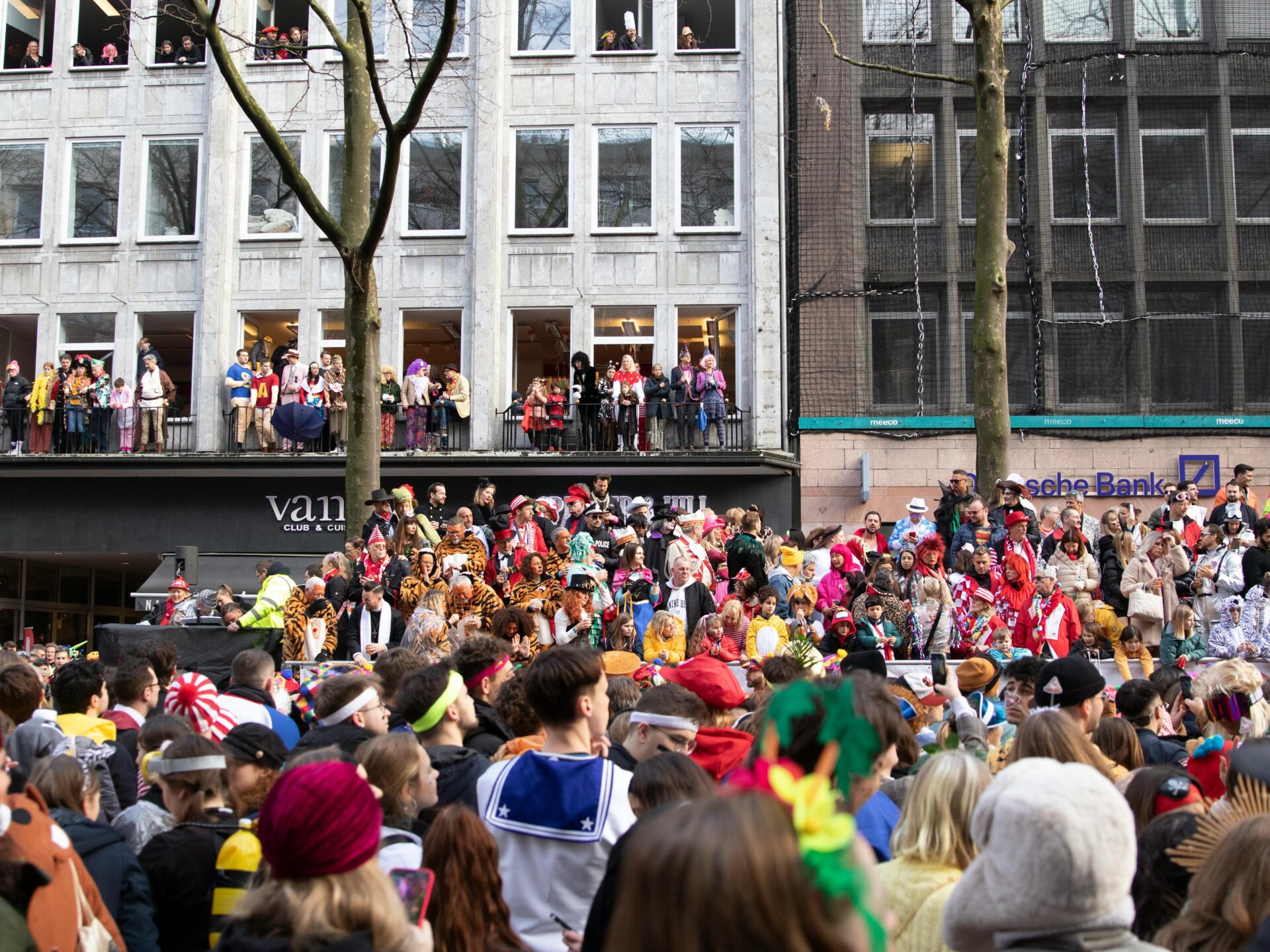
Enhancing Safety, Sustainability, and Logistics Through Tech
As music festivals grow larger and more complex, technology is playing a vital role in improving safety, logistics, and sustainability. With tens of thousands of attendees, multiple stages, and vast temporary infrastructures, organizing a successful festival is an enormous logistical feat. Innovations in real-time tracking, AI-powered crowd management, and environmental monitoring are helping festival organizers rise to the challenge.
One of the most critical uses of technology is in real-time crowd analytics. Using AI and machine learning algorithms, organizers can analyze data from RFID chips, surveillance cameras, and mobile GPS to monitor crowd density, movement patterns, and potential bottlenecks. If an area becomes dangerously congested, alerts can be sent to staff or even directly to attendees’ phones, suggesting alternate routes or dispersing traffic with incentives. This proactive approach significantly enhances safety, reducing the risk of stampedes, overcrowding, or bottlenecked exits.
Drones also play a growing role in safety and surveillance. Equipped with cameras and thermal imaging, drones can provide a bird’s-eye view of the festival grounds, identify medical emergencies, spot unauthorized activity, and guide security teams more efficiently. Combined with AI, drones can be trained to detect unusual crowd behavior, such as sudden dispersals that might signal a problem.
Beyond safety, technology is helping festivals become more sustainable. Smart power grids, often powered by solar or biofuel sources, can dynamically allocate electricity based on real-time demand, reducing energy waste. Water stations equipped with usage sensors help manage supply efficiently, while smart waste bins can signal when they’re full, optimizing sanitation logistics. Some festivals even use blockchain systems to track sustainability metrics and reward eco-friendly behavior, such as recycling or using public transport.
Mobile apps also contribute to sustainability by offering paperless schedules, interactive maps, and digital communications, eliminating the need for printed materials. Attendees can access everything they need from their smartphones, reducing the environmental footprint of the event.
Conclusion: Technology as the New Headliner of the Festival Experience
Music festivals have always been about more than music—they are cultural gatherings, celebrations of creativity, and shared moments of joy. But in the age of rapid technological innovation, they are also becoming testbeds for cutting-edge digital experiences. From RFID wristbands and mobile apps to immersive AR installations and AI-powered crowd management, technology has embedded itself into the very fabric of the festival world.
This transformation is not superficial—it’s structural. Technology enhances access, boosts safety, drives sustainability, and personalizes every aspect of the festival journey. It empowers artists to push creative boundaries and gives attendees new ways to engage, explore, and connect. What was once a passive experience has become an active, interactive adventure tailored to the individual.
Yet, as we embrace these advancements, it’s crucial to retain the human essence that makes festivals magical. Technology should not replace the spontaneity and communal energy of live music, but rather amplify it. The future of music festivals lies in a delicate balance—where digital innovation enhances physical reality, and where data serves creativity rather than dictating it.
In this rapidly evolving landscape, one thing is certain: technology is no longer behind the scenes—it is center stage, shaping the next era of unforgettable festival moments.