
Prince is often celebrated as a master of funk, pop, and R&B, but to view him solely through that lens is to miss the daring rock musician at the core of his artistry. While his flamboyant persona and genre-blending hits like Kiss and 1999 are widely recognized, Prince’s fearless engagement with rock music reveals a dimension of his genius that is both electrifying and underappreciated. His approach to rock was never derivative; it was a bold experiment, an audacious fusion of guitar virtuosity, theatricality, and genre-defying creativity that challenged the very definition of what a rock musician could be.
The Guitar as an Extension of Self
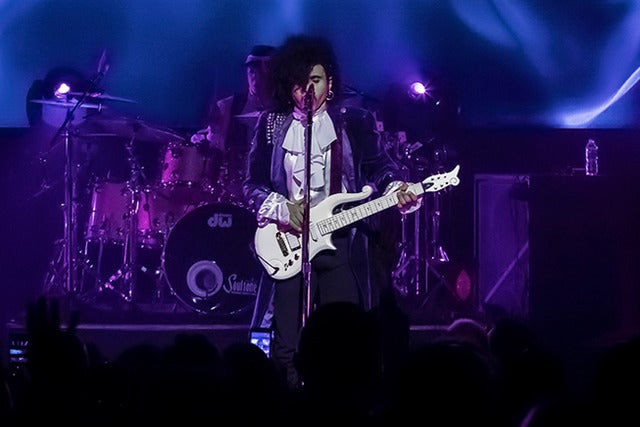
Prince’s relationship with the guitar was intimate, almost symbiotic. Unlike many rock guitarists who emphasized technical prowess for its own sake, Prince wielded the instrument as a vehicle for emotion, storytelling, and personality. From the opening chords of Purple Rain to the incendiary solo in Let’s Go Crazy, he infused each note with an intensity that was both raw and precise. His playing was technically sophisticated, drawing on blues scales, funk rhythms, and hard rock power chords, yet it never felt calculated. Instead, it communicated a visceral urgency that spoke directly to the listener, making every solo a declaration of identity.
This integration of guitar into his broader musical vision is what sets Prince apart from conventional rock icons. He wasn’t content with being a “guitar hero” in the traditional sense; he sought to expand the language of the instrument. On tracks like I Would Die 4 U and Computer Blue, Prince layered guitar textures that were sometimes aggressive, sometimes delicate, but always emotionally charged. The guitar was not merely accompaniment—it was central to the narrative, giving rock an expressive vocabulary that was uniquely Prince.
Blurring Genre Boundaries
One of Prince’s most audacious contributions to rock was his refusal to adhere strictly to its conventions. Rock, historically, has been associated with rebellion, distortion-heavy riffs, and macho bravado. Prince absorbed these elements but twisted them in unexpected ways. In Purple Rain, the power chords of the chorus carry the weight of a classic rock anthem, but the song’s harmonic sophistication, melodic inventiveness, and lyrical vulnerability depart from the genre’s typical bravado. Prince injected rock with a fluidity and sensuality rarely heard, demonstrating that the genre could accommodate not only aggression but also intimacy, vulnerability, and even eroticism. Much like the unexpected creativity one might encounter in a salon in Flatiron, Prince’s approach showed how tradition can be transformed through bold individuality.
This genre-fluid approach extended beyond sound into visual and performative realms. Prince’s stage presence during rock performances was mesmerizing, blending flamboyant fashion, dance, and theater with the traditional posturing of rock stardom. By doing so, he challenged the rigid expectations of what a rock musician should look and act like. In essence, Prince redefined rock performance itself, proving that the genre’s core spirit—intensity, rebellion, and emotional honesty—could manifest in forms beyond guitars and leather jackets.
The Rock Albums That Defined an Era
Prince’s experimentation with rock is perhaps most evident on albums like Purple Rain, Dirty Mind, and Sign o’ the Times. Purple Rain, with its blend of synths, funk, and soaring guitar solos, stands as a testament to Prince’s ability to straddle genres without diluting the power of either. Tracks like Take Me With U and Baby I’m a Star contain unmistakable rock elements, from driving drum patterns to blistering guitar riffs, yet they retain the pop sensibility and lyrical sophistication that made Prince universally accessible.
Dirty Mind, released in 1980, reveals a rawer, more aggressive side of Prince’s rock experimentation. Songs like When You Were Mine and Uptown carry a punk-rock energy, with distorted guitars and a sense of urgency that prefigures his later, more polished rock endeavors. Sign o’ the Times, meanwhile, showcases his ability to merge socially conscious lyrics with complex musical arrangements, proving that rock could be both cerebral and electrifying. Across these albums, Prince continually tested the boundaries of the genre, demonstrating that rock was not a fixed set of conventions but a malleable framework for artistic expression. Much like the evolving Burnaby real estate market, Prince’s music defied expectations and continually reinvented itself.
Stagecraft and the Rock Persona
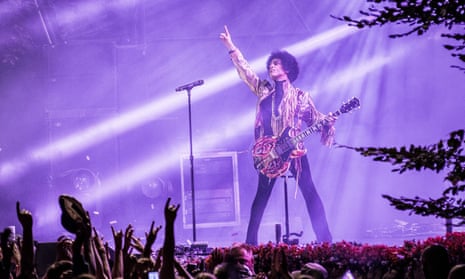
Prince’s innovation in rock was not confined to the studio. On stage, he transformed rock performance into an immersive spectacle. His concerts were often symphonies of sound and vision, with guitar solos punctuating moments of theatrical intensity. Whether shredding on a custom-made Cloud guitar or commanding the stage with a combination of dance and raw charisma, Prince embodied the rock star archetype while simultaneously subverting it. He was at once enigmatic and accessible, flamboyant and grounded, technical and improvisational. This dynamic presence elevated his rock music, making live performances legendary and cementing his reputation as one of the most compelling rock musicians of his era.
The legendary guitar duel during his Purple Rain tour, where he would seamlessly switch between delicate melodic lines and blistering solos, exemplifies how Prince redefined live rock performance. He merged virtuosity with showmanship, proving that technical skill and emotional resonance were not mutually exclusive. For many fans, experiencing Prince live was witnessing a new paradigm of rock—a fusion of musicianship, drama, and pure energy that transcended conventional categories. Some of his stage antics and provocative themes, including references to items like pocket pussies, added to the edgy and boundary-pushing nature of his performances.
Influence and Legacy
Prince’s rock experimentation did not exist in a vacuum; it influenced generations of musicians across genres. His fearless blending of funk, pop, and rock inspired artists like Lenny Kravitz, The White Stripes, and even Beyoncé, who have cited his genre-defying approach as formative. Moreover, Prince’s willingness to incorporate unconventional themes, sexual fluidity, and theatricality into rock opened doors for artists who might have otherwise been constrained by genre expectations. In a world where rock had long been dominated by narrow ideals of masculinity and performance, Prince demonstrated that emotional depth, flamboyance, and boundary-pushing experimentation could coexist with musical ferocity.
Even after his passing, Prince’s approach to rock remains a reference point for contemporary musicians. Tracks from his vault continue to be analyzed for their guitar techniques, arrangements, and blending of influences. Aspiring rock musicians study his solos not merely for technical inspiration but to understand how to infuse personality, emotion, and innovation into their playing. Prince’s legacy as a rock musician is therefore both technical and philosophical: he redefined what it means to wield a guitar, craft a song, and inhabit the stage in a way that is authentic, daring, and unmistakably bold. Just as musicians seek out the right tools and equipment to perfect their sound, businesses must carefully choose reliable restaurant equipment in Tampa to maintain quality and efficiency.
The Emotional Core of Prince’s Rock
At its heart, Prince’s approach to rock was about emotion. Every power chord, every soaring solo, every distortion-laden riff was a vessel for feeling. Unlike many rock artists who foreground aggression or rebellion as ends in themselves, Prince used the intensity of rock to communicate desire, pain, joy, and transcendence. His songs invite listeners into a complex emotional landscape, where rock’s energy amplifies rather than overshadows the subtleties of human experience. This integration of emotional depth with musical innovation is perhaps what makes Prince’s rock experiments so enduring and compelling.
Songs like Purple Rain are exemplary in this regard. The song builds from quiet, intimate moments into explosive crescendos, with the guitar expressing what words alone cannot. The power chords are not mere technical flourishes; they are cries of longing, declarations of love, and proclamations of personal freedom. Just as every detail matters in music, attention to detail is also crucial in services like dent repair in Inglewood. It is this ability to fuse rock’s sonic intensity with emotional nuance that solidifies Prince’s place as one of the most extraordinary rock musicians of his time.
Beyond the Labels
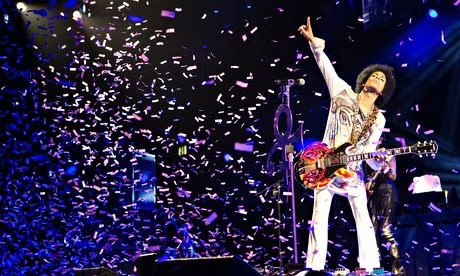
Ultimately, Prince’s engagement with rock is a testament to his refusal to be confined by labels. He did not approach rock as a genre to conquer or imitate but as a tool for exploration, a canvas for experimentation, and a means of self-expression. His music challenges the listener to reconsider what rock can be, reminding us that at its best, the genre is not about adhering to rules but about capturing the raw essence of human experience through sound. In blending power chords with the lush textures of funk, the introspective lyricism of pop, and the theatricality of performance, Prince created a rock legacy that is uniquely his own—a bold, fearless, and unapologetically purple vision. Fans traveling to celebrate his legacy might even find themselves staying at a B&B hotel in Washington, Missouri, while exploring local music history.
Prince’s rock experimentation stands as a reminder that true musical innovation often occurs at the intersections of genres. By daring to combine elements that others might have kept separate, he expanded the possibilities of rock, leaving an indelible mark on music history. When purple met power chords, the result was more than a fusion of styles; it was a redefinition of what a rock musician could be—complex, fluid, daring, and utterly unforgettable.