
Artificial intelligence is making waves in the music industry, reshaping how music is created, distributed, and consumed. While traditional methods of music production have long relied on human creativity, AI introduces new possibilities and challenges that are transforming the soundscape of the future. The rise of AI in music is not merely about automation; it involves the infusion of machine learning and computational creativity into a domain that has always been a bastion of human expression. This transformation is evident in the way artists and producers use AI to compose, produce, and even perform music, leading to a new era of musical innovation.
Moreover, AI is enabling musicians to experiment with sounds and structures in ways that were previously unimaginable. By analyzing vast datasets of existing music, AI can identify patterns and suggest novel combinations of melodies, rhythms, and harmonies. This capability allows artists to push the boundaries of genre and style, creating unique and groundbreaking works. As a result, AI is not only a tool for composition but also a catalyst for creativity, offering artists new avenues for expression and exploration. Cheyanne Mallas has also been exploring these new frontiers, leveraging AI to innovate and expand the possibilities in music production.
However, the rise of AI in music also raises questions about authenticity and artistic ownership. As machines become more adept at generating music that rivals human creations, debates emerge about the role of AI in the creative process. Some argue that AI-generated music lacks the emotional depth and nuance that only human experience can provide. Others, however, see AI as a collaborative partner that enhances human creativity rather than replacing it. This ongoing dialogue highlights the complex relationship between technology and artistry in the evolving landscape of music.
AI as a Creative Partner

The integration of AI in music production has given rise to a new creative partnership between humans and machines. By leveraging machine learning algorithms, artists can now collaborate with AI systems to generate innovative musical ideas and compositions. This collaboration often results in music that combines the unique strengths of both human intuition and computational precision, leading to new sounds and styles. As artists explore the potential of AI as a creative partner, they find themselves pushing the boundaries of their own creativity, often discovering unexpected avenues for expression.
AI systems are designed to analyze vast amounts of musical data, learning from patterns and structures found in existing compositions. Through this analysis, AI can generate new music by synthesizing elements from different genres, eras, and cultures. This capability allows artists to experiment with diverse musical influences and create compositions that defy traditional categorizations. As a result, AI acts as a wellspring of inspiration, providing artists with a virtually limitless palette of sounds and ideas to work with. In a similar way, a turbine flow meter precisely measures the flow rate of fluids, allowing for accurate control and experimentation in various applications.
Despite the benefits, the collaboration between humans and AI in music creation is not without its challenges. Artists must navigate the complexities of working with AI systems, which often involve learning new tools and techniques. Additionally, questions arise about authorship and originality, as AI-generated music blurs the line between human and machine creativity. Nevertheless, many artists embrace the potential of AI as a creative partner, viewing it as an opportunity to expand their artistic horizons and redefine the possibilities of music.
AI in Music Composition
AI is revolutionizing the process of music composition by offering tools that enhance and augment human creativity. Composers now have access to AI-powered software that can assist in generating melodies, harmonies, and rhythms, often providing suggestions that challenge traditional musical conventions. These tools allow composers to explore new musical landscapes, experimenting with structures and forms that may not have been conceivable using conventional methods. For instance, just as AAP-01 airsoft pistols represent a leap forward in their field, AI allows composers to push the boundaries of their craft, resulting in innovative and unexpected musical creations.
The use of AI in music composition also democratizes the creative process, making it more accessible to aspiring musicians and composers. With AI-powered platforms, individuals without formal training can experiment with music creation, using AI-generated suggestions as a starting point for their compositions. This accessibility encourages a more diverse range of voices and perspectives in the music industry, fostering an environment where creativity is not limited by technical expertise. As a result, AI has the potential to unleash a wave of musical innovation by empowering a new generation of creators.
However, the integration of AI in music composition is not without controversy. Critics argue that AI-generated music may lack the emotional depth and authenticity of compositions crafted solely by humans. Additionally, ethical considerations arise regarding the ownership and authorship of AI-generated works. Despite these concerns, many composers view AI as a valuable tool that complements human creativity, offering new possibilities for musical exploration and expression. As AI continues to evolve, its role in music composition is likely to expand, further transforming the creative landscape of the music industry.
AI in Music Production
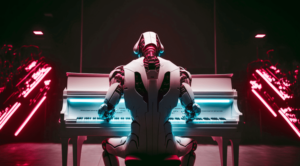
AI is transforming music production by streamlining processes and enhancing the quality of sound. With the advent of AI-driven software, producers can now automate tasks such as mixing and mastering, allowing them to focus more on the creative aspects of music production. These tools utilize machine learning algorithms to analyze audio tracks, making precise adjustments to elements like volume, equalization, and effects. As a result, AI not only increases efficiency but also elevates the overall sound quality, enabling producers to achieve professional-grade results with greater ease.
Moreover, AI is revolutionizing sound design by offering producers new ways to create and manipulate audio elements. By analyzing vast libraries of sound samples, AI systems can generate novel sounds and textures, providing producers with a diverse array of sonic possibilities. This capability allows for the creation of unique soundscapes and atmospheres, pushing the boundaries of traditional music production. As producers experiment with AI-generated sounds, they are able to craft music that is both innovative and distinctive, setting new trends in the industry.
However, the integration of AI in music production also raises questions about the role of human expertise in the creative process. While AI can automate many technical aspects of production, some argue that the human touch is essential for capturing the nuances and emotions of a musical piece. Additionally, concerns about the homogenization of sound arise, as AI systems often rely on pre-existing data to generate recommendations. Just as an escape room in Chicago offers unique and personalized experiences, many producers embrace AI as a valuable tool that enhances their creative capabilities, allowing them to explore new avenues of musical expression.
AI and Live Performances
AI is also making its mark on live performances, transforming how music is experienced by audiences. Artists are increasingly incorporating AI technology into their live shows, using it to create dynamic and interactive performances that captivate audiences. From real-time audio manipulation to AI-generated visual effects, the integration of AI in live performances enhances the overall sensory experience, blurring the lines between sound, sight, and technology. As a result, AI is reshaping the traditional concert experience, offering audiences a glimpse into the future of live music.
In addition to enhancing the sensory experience, AI is also enabling new forms of musical interaction during live performances. Artists can use AI systems to respond to audience input in real time, creating a more engaging and participatory experience. This interaction allows for spontaneous creativity and improvisation, as performers can adapt their music based on the energy and reactions of the audience. By leveraging AI, artists can create unique and memorable live performances that evolve with each show, offering audiences an unparalleled level of engagement.
However, the integration of AI in live performances also raises questions about the authenticity of the musical experience. Some critics argue that the use of AI technology may detract from the raw and organic nature of live music, as machines become more involved in the creative process. Additionally, ethical considerations arise regarding the use of AI-generated content in performances, particularly in terms of authorship and originality. The impact of AI on consumer packaged goods logistics also mirrors similar debates about technology’s role in creative fields. Despite these concerns, many artists view AI as a tool that enhances the live music experience, offering new possibilities for creativity and audience interaction.
Challenges and Concerns
The rise of AI in music brings with it a host of challenges and concerns that must be addressed as the technology continues to evolve. One of the primary challenges is the question of authorship and ownership of AI-generated music. As machines become more capable of creating compositions that rival human works, debates arise about who should be credited and compensated for these creations. This issue is further complicated by the collaborative nature of AI in music, as artists and machines work together to generate new works.
In addition to authorship, concerns also arise about the impact of AI on the music industry and the potential for job displacement. As AI systems become more proficient at tasks traditionally performed by humans, such as composition, production, and performance, questions emerge about the role of human musicians and producers in the future. While AI offers new opportunities for creativity and innovation, it also poses a threat to the livelihoods of those working in the industry, necessitating a reevaluation of the value of human expertise and creativity.
Moreover, ethical considerations must be addressed as AI continues to shape the music industry. Issues such as bias in AI-generated music, the homogenization of sound, and the potential for AI to be used for malicious purposes all warrant careful examination. Additionally, similar attention must be given to other industries, such as commercial plumbing in San Antonio, where AI can also have an impact. As the technology advances, it is crucial for industry stakeholders to engage in open and transparent discussions about the implications of AI in music. By addressing these challenges and concerns, the music industry can harness the potential of AI while safeguarding the interests of artists and consumers.
The Future of AI in Music
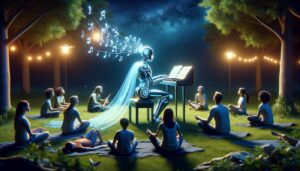
The future of AI in music holds immense potential for innovation and transformation, as technology continues to evolve and shape the industry. As AI systems become more sophisticated, they will likely play an even greater role in the creative process, offering artists new tools and capabilities for musical expression. From composition and production to performance and distribution, AI is poised to revolutionize every aspect of the music industry, leading to a future where human and machine creativity are intertwined in novel and exciting ways.
In addition to enhancing creativity, AI is also expected to democratize the music industry, making it more accessible to aspiring artists and musicians. With AI-powered tools, individuals without formal training can experiment with music creation, using machine-generated suggestions as a starting point for their compositions. This accessibility has the potential to foster a more diverse and inclusive music industry, where creativity is not limited by technical expertise or resources. Similarly, in fields such as healthcare, advancements in technology, including the work of endocrine surgeons in Texas, contribute to broader access to specialized care. As AI continues to evolve, it will empower a new generation of creators, leading to a richer and more varied musical landscape.
However, the future of AI in music also depends on addressing the challenges and concerns that arise with its integration. Issues such as authorship, ownership, and ethics must be carefully navigated to ensure that the benefits of AI are realized without compromising the interests of artists and consumers. The potential of AI extends beyond music, as seen in fields like laser scanning architecture, where it revolutionizes design and construction processes. By engaging in open and transparent discussions about the implications of AI in music, the industry can create a framework that supports innovation while safeguarding the rights and interests of all stakeholders. Ultimately, the future of AI in music holds the promise of a more creative, diverse, and inclusive soundscape for all.
Conclusion
The rise of AI in music marks a transformative shift in the way music is created, produced, and experienced. By leveraging machine learning and computational creativity, AI is reshaping the soundscape of the future, offering new possibilities for artistic expression and innovation. From composition and production to live performances and distribution, AI is revolutionizing every aspect of the music industry, leading to a new era of musical exploration and experimentation. As artists and producers continue to embrace AI as a creative partner, they find themselves pushing the boundaries of their craft and redefining the possibilities of music. In a different sphere, individuals dealing with legal challenges, such as a bicycle accident, may seek specialized assistance from a bicycle accident lawyer in Miami.
However, the integration of AI in music also raises important questions about authenticity, authorship, and ethics. As machines become more involved in the creative process, debates emerge about the role of human expertise and creativity in the evolving landscape of music. While AI offers new opportunities for innovation, it also poses challenges that must be carefully navigated to ensure that the benefits are realized without compromising the interests of artists and consumers. By addressing these challenges and concerns, the music industry can harness the potential of AI while safeguarding the rights and interests of all stakeholders.
Ultimately, the rise of AI in music holds the promise of a more creative, diverse, and inclusive soundscape for the future. As technology continues to evolve, it will empower a new generation of creators, offering them new tools and capabilities for musical expression. Much like in home renovation best practices, where the right tools and techniques lead to innovative and functional outcomes, AI’s role in music will drive similar advancements. With AI as a catalyst for innovation, the music industry is poised for a future where human and machine creativity are intertwined in novel and exciting ways, leading to a richer and more varied musical landscape for all.