
In the ever-changing landscape of modern music, few acts have captured the imagination of fans and critics quite like Tame Impala, the brainchild of Australian multi-instrumentalist Kevin Parker. What began as a bedroom project steeped in lo-fi psychedelia has evolved into a global phenomenon, redefining what modern psychedelic music can be. Parker’s meticulous craftsmanship, combined with a willingness to push boundaries, has transformed Tame Impala from a niche favorite into a staple on the world’s biggest stages.
The story of Tame Impala is not just about musical evolution—it is about the way an artist’s vision can expand without losing authenticity. From early recordings on cheap equipment to Grammy nominations and headlining major festivals, the journey reflects the psychedelic evolution of sound, identity, and influence that continues to inspire a generation.
The Bedroom Beginnings
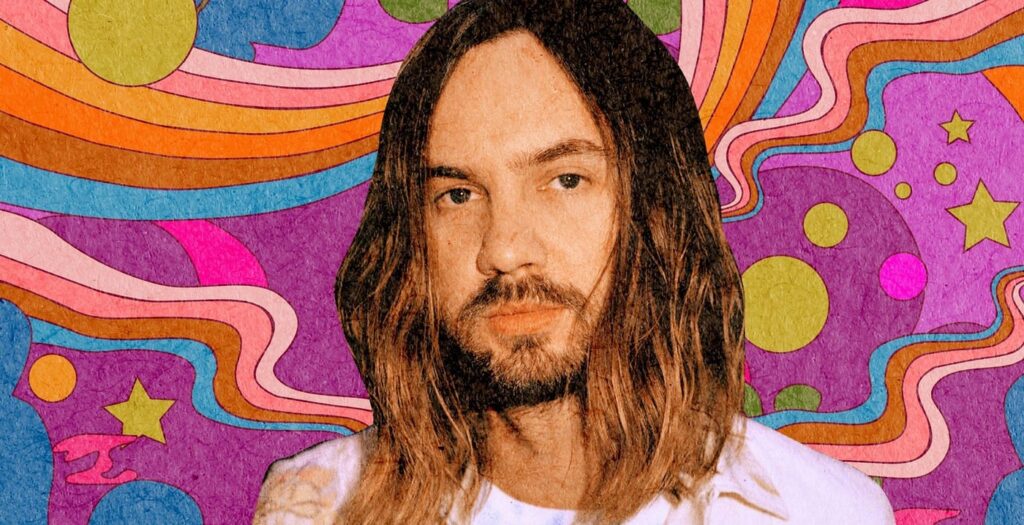
Kevin Parker’s earliest recordings were far removed from the polished productions that now define Tame Impala’s sound. Armed with little more than a guitar, a drum kit, and a modest home setup, Parker experimented with layering tracks to create the illusion of a full band. This DIY approach became central to his identity as a musician: he was not merely writing songs but building entire worlds from scratch.
The debut EP and later the 2010 album Innerspeaker announced Tame Impala as a force to be reckoned with. Critics and fans praised its swirling guitars, reverberating vocals, and hypnotic rhythms. Though Parker recorded everything himself, the music felt expansive, bridging the gap between 1960s psychedelic rock and a new, modern aesthetic. This was the first step in transforming bedroom-bound experimentation into a sound that could fill arenas.
Expanding Horizons with Lonerism
By the time Tame Impala released Lonerism in 2012, Parker had refined his craft into something more ambitious. The album retained the psychedelic textures of Innerspeaker but layered them with denser arrangements and a sharper focus on songwriting. Tracks like Feels Like We Only Go Backwards and Elephant became anthems, carrying Parker’s vision into mainstream consciousness without diluting its authenticity.
Thematically, Lonerism explored isolation and introspection, resonating deeply with listeners who saw themselves in Parker’s lyrics. Musically, it was a turning point: while still rooted in rock, it hinted at the broader palette that would define his later work. The success of the album proved that psychedelic music could still captivate mainstream audiences, paving the way for an even bolder reinvention.
Synths, Pop, and Currents
The release of Currents in 2015 marked a radical evolution. Parker moved away from guitar-driven rock and embraced synth-heavy, groove-oriented pop. Songs like Let It Happen and The Less I Know the Better showcased not just a shift in instrumentation but in emotional tone. The album was sleek, modern, and unashamedly pop-infused, without abandoning the psychedelic DNA that defined Tame Impala.
This leap could have alienated early fans, but instead it broadened Parker’s reach dramatically. Currents became both a commercial and critical triumph, cementing his reputation as a visionary unafraid to take risks. Its success illustrated how psychedelia could merge with contemporary pop, shaping the sound of mainstream music while retaining depth and complexity.
Global Recognition and Influence

As Tame Impala’s sound evolved, so too did Parker’s reputation as a producer and collaborator. His work began to influence artists across genres, from hip-hop to R&B. Collaborations with names like Rihanna, Travis Scott, and Kanye West demonstrated how his sonic fingerprints could adapt to diverse musical contexts.
On stage, Tame Impala transformed into a spectacle of sound and visuals. Psychedelic light shows, immersive visuals, and flawless live arrangements turned concerts into transcendental experiences. Parker’s once-bedroom-bound project had become a global force, capable of headlining Coachella and Glastonbury while shaping the future of popular music.
The Slow Rush and Beyond
In 2020, Parker released The Slow Rush, an album that explored themes of time, memory, and change. Its production was polished and lush, weaving disco grooves and electronic textures into the Tame Impala soundscape. While some fans longed for the rawness of earlier work, the album reinforced Parker’s commitment to constant evolution.
It also highlighted his growing interest in philosophical and emotional themes, showing that Tame Impala’s music had matured alongside its creator. Far from a static act, Parker demonstrated once again that reinvention was the core of his artistry.
The Psychedelic Legacy
The evolution of Tame Impala underscores the broader story of psychedelic music in the 21st century. No longer confined to niche subcultures or retro revivalism, Parker has shown how the genre can expand, adapt, and resonate with contemporary audiences. His blending of rock, pop, and electronic influences reflects a fluid approach to genre, one that mirrors the psychedelic ethos of breaking boundaries and expanding perception.
Moreover, Tame Impala’s journey has inspired a wave of new artists who embrace experimentation without fear of alienating mainstream audiences. Parker’s willingness to evolve demonstrates that authenticity is not about staying the same—it is about staying true to the impulse to create, even when it means challenging expectations.
Conclusion
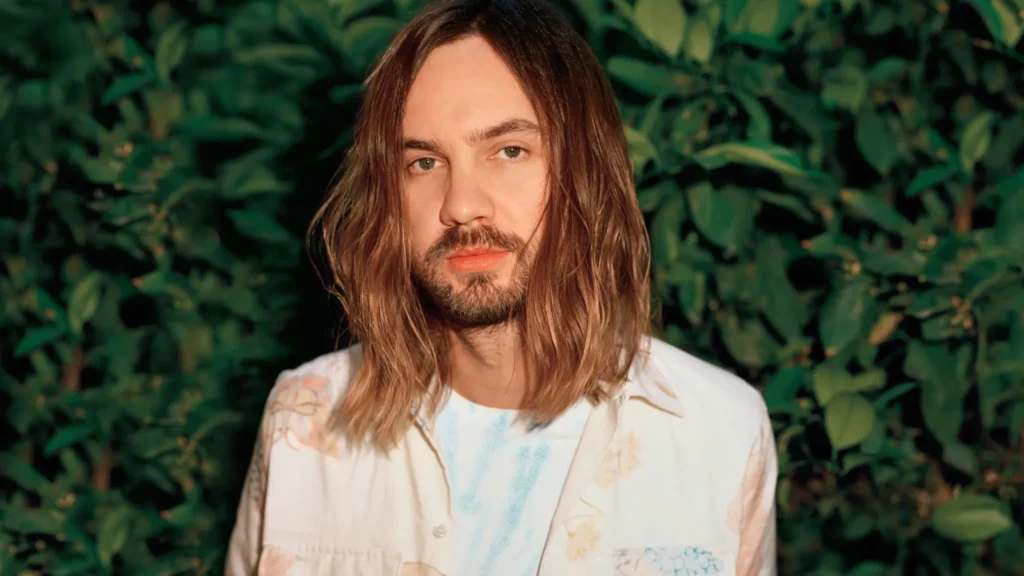
From the intimate world of bedroom recordings to the grand stages of international festivals, Tame Impala’s evolution is a testament to the power of vision, innovation, and authenticity. Kevin Parker’s journey reflects not only his personal growth as an artist but also the transformation of psychedelic music itself.
The psychedelic evolution of Tame Impala is not about nostalgia or replication—it is about constant reinvention, pushing boundaries while remaining rooted in a distinctive artistic identity. As Parker continues to explore new sounds and ideas, one truth remains clear: Tame Impala’s journey is far from over, and its influence on global music will only deepen in the years to come.