
The Police, the legendary British rock band formed in the late 1970s, have left an indelible mark on the music industry. Consisting of Sting (bass and vocals), Andy Summers (guitar), and Stewart Copeland (drums), the trio created a distinct sound that blended punk, reggae, rock, and pop. Their innovative approach to songwriting and instrumentation, coupled with their global appeal, redefined the boundaries of mainstream music. This article delves into The Police’s profound influence on the music industry and their lasting innovations.
Bridging Genres with Effortless Precision
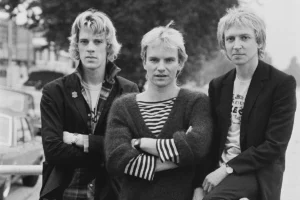
One of The Police’s most notable contributions to music was their ability to seamlessly merge disparate genres. At a time when punk rock was gaining momentum, The Police stood out by incorporating reggae rhythms into their sound. Tracks like “Roxanne“ and “Walking on the Moon” exemplify this unique fusion, showcasing a fresh approach to rock music that appealed to diverse audiences.
The reggae influence wasn’t merely an aesthetic choice; it represented a deeper cultural exchange. By introducing reggae to a broader, rock-centric audience, The Police helped legitimize and popularize the genre outside of its Jamaican roots. Their ability to blend musical styles became a hallmark of their career, inspiring countless artists to experiment with genre fusion.
Pioneers of Minimalism in Music
The Police achieved a powerful sound despite being a three-piece band. Their music relied on minimalistic yet impactful arrangements, demonstrating that complexity isn’t always necessary to create compelling music. Stewart Copeland’s intricate drumming, Sting’s melodic bass lines, and Andy Summers’ atmospheric guitar work created a spacious, textured sound that left room for each element to shine.
This minimalist ethos influenced subsequent generations of musicians. Bands such as U2, Nirvana, and even The White Stripes have cited The Police as an example of how a small ensemble can achieve a big sound. Their stripped-down approach resonated with emerging artists who sought to focus on musicianship and songcraft over elaborate production.
Lyricism That Combined Depth and Accessibility
Sting’s songwriting was a cornerstone of The Police’s success. His lyrics often balanced introspective themes with universal appeal, making the songs both personal and relatable. For instance, “Every Breath You Take”—a song often mistaken for a romantic ballad—delves into themes of obsession and control, showcasing an emotional complexity rarely seen in mainstream pop at the time.
The Police’s lyrics frequently explored topics beyond typical love songs. Themes of alienation, societal pressure, and existential musings permeate their catalog. This intellectual depth set a standard for pop music, proving that commercial success didn’t have to come at the expense of thoughtful lyricism. Even today, their influence can be seen in various forms, from modern music to cultural expressions like veteran t-shirts that showcase messages of resilience and identity.
Mastering the Art of Global Appeal
The Police’s global impact was unprecedented. Their ability to resonate with audiences across cultural boundaries was bolstered by their eclectic sound and universal themes. The 1980s saw the band achieve monumental success, with albums like “Synchronicity” topping charts worldwide.

Their international tours further solidified their status as global icons. By performing in diverse locations and engaging with audiences from varied cultural backgrounds, The Police helped establish the blueprint for global touring as an essential aspect of a band’s career. They demonstrated that the music industry had the potential to transcend borders, influencing how artists approached international audiences.
Innovating Through Technology and Production
The Police were not just pioneers of sound; they were innovators in the studio. The production techniques used on their albums, particularly from their third release, “Zenyatta Mondatta”, onward, set new standards for the industry. The band worked with prominent producers like Hugh Padgham, who utilized cutting-edge recording methods to achieve their distinctive sound.
Padgham’s use of gated reverb on Stewart Copeland’s drums became a defining characteristic of The Police’s music and influenced the broader landscape of 1980s production. This drum sound became ubiquitous across pop and rock, with artists like Phil Collins and Peter Gabriel adopting similar techniques. The Police’s commitment to sonic innovation proved that technical experimentation could enhance artistic expression.
Shaping the Era of the Music Video
As MTV rose to prominence in the 1980s, The Police were among the first bands to fully embrace the music video as a medium for artistic expression. Videos like “Every Breath You Take” and “Don’t Stand So Close to Me” became iconic, not only for their artistic quality but also for how they amplified the band’s image and appeal.
The band’s willingness to experiment with visual storytelling helped define the music video as a critical promotional tool. Their videos were not merely supplemental to their music but integral to their artistic identity. This approach influenced subsequent generations of artists, who began to see music videos as an essential part of their creative output.
Impact on Live Performance
The Police were renowned for their dynamic live performances. Despite being a trio, they filled stadiums with their energy and presence, showcasing a synergy that few bands could replicate. Their concerts were characterized by technical precision, improvisation, and audience engagement, setting a high standard for live rock performances.
Sting’s charismatic stage presence, Copeland’s electrifying drumming, and Summers’ innovative guitar work combined to create unforgettable experiences for their fans. The Police’s ability to captivate massive crowds with their minimalist setup inspired many bands to prioritize authenticity and musicianship in their live shows.
Legacy in the Evolution of Rock and Pop
Even decades after their peak, The Police’s influence is evident in modern music. Their fusion of genres paved the way for bands like No Doubt and Sublime, who similarly blended rock with reggae and ska influences. Sting’s solo career further cemented the band’s legacy, as he continued to explore diverse musical styles and collaborate with artists from around the world.
The Police also left a mark on the business side of the industry. Their success demonstrated the viability of short-lived yet impactful careers, challenging the notion that longevity is the sole measure of success. By disbanding at the height of their fame, they preserved their artistic integrity and left fans wanting more.
Reuniting to Prove Their Timelessness

The Police’s 2007-2008 reunion tour was a testament to their enduring appeal. Despite a 20-year hiatus, they sold out arenas worldwide, proving that their music remained relevant across generations. The tour not only celebrated their legacy but also introduced their work to younger audiences.
This reunion highlighted the timeless quality of their songs and their continued ability to captivate audiences. It also underscored the importance of their contributions to the music industry, cementing their status as one of the most influential bands of all time.
Conclusion
The Police’s impact on the music industry is undeniable. Through their genre-defying sound, minimalist approach, innovative production techniques, and global reach, they reshaped the boundaries of rock and pop music. Their success demonstrated that artistic experimentation and commercial success can coexist, inspiring countless artists to push creative boundaries.
Their legacy goes beyond their own discography. The Police influenced not only how music was made but also how it was experienced, marketed, and performed. They showed that music could bridge cultural divides, and their innovations continue to echo in modern production, live performances, and cross-genre exploration. By inspiring musicians to embrace risk and originality, The Police set a standard for creativity that transcends eras. Whether through their timeless songs, pioneering production, or bold approach to artistry, their enduring influence cements their place among music’s all-time greats.