
When we think about the most iconic film scores, the name John Williams invariably comes to mind. His music has defined generations of cinema, from the thrilling notes of “Star Wars” to the magical melodies of “Harry Potter.” But what exactly makes his compositions so memorable? Let’s explore the various techniques that contribute to the genius of John Williams.
The Power of Leitmotifs
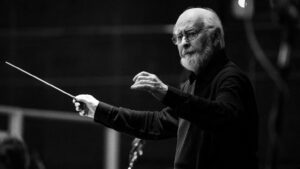
One of Williams’ most remarkable skills is his use of leitmotifs. Leitmotifs are recurring musical themes associated with particular characters, places, or ideas. This technique, rooted in the works of Richard Wagner, allows Williams to weave a rich tapestry of musical storytelling.
For instance, the “Force Theme” in “Star Wars” is instantly recognizable and evokes the spirit of the Jedi. Each character, such as Luke Skywalker, Princess Leia, and Darth Vader, has their own distinctive theme, which helps to create a deeper emotional connection with the audience. These themes evolve with the characters, subtly changing in instrumentation, tempo, and harmony to reflect their growth and experiences.
Orchestration and Instrumentation
John Williams’ mastery of orchestration is another cornerstone of his success. Orchestration involves the selection of instruments to play different parts of the music, and Williams excels in creating rich, textured soundscapes. He often uses the full range of the orchestra, from the delicate strings to the powerful brass, to evoke a wide array of emotions.
In “Jurassic Park,” for instance, the majestic theme is introduced with lush strings and soaring brass, perfectly capturing the awe and wonder of seeing dinosaurs brought to life. Conversely, the ominous, tension-building motifs in “Jaws” rely heavily on the lower strings and brass, creating a sense of impending danger that keeps audiences on the edge of their seats.
Complex Harmonies and Modulations
Williams’ harmonic language is sophisticated and nuanced. He frequently employs complex harmonies and modulations to add depth and intrigue to his music. This is evident in the “Hedwig’s Theme” from the “Harry Potter” series, where Williams uses unusual chord progressions and shifting tonal centers to evoke a sense of magic and mystery.
His ability to transition seamlessly between keys and modes keeps the listener engaged and often mirrors the narrative twists and turns of the films. These harmonic shifts can also heighten the emotional impact of a scene, as seen in the poignant, heart-wrenching music of “Schindler’s List,” where the music shifts from major to minor keys to reflect the tragic story.
Rhythmic Innovation
Rhythm plays a crucial role in Williams’ compositions. He often employs intricate rhythms and syncopation to create a sense of movement and excitement. The “Raiders March” from “Indiana Jones” is a prime example, with its driving rhythm and bold, adventurous feel.
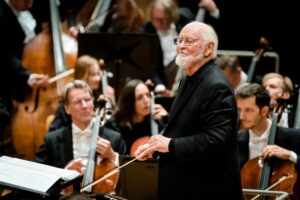
In “The Empire Strikes Back,” the “Imperial March” uses a relentless, march-like rhythm that underscores the imposing presence of Darth Vader and the Galactic Empire. Williams’ use of rhythm is not just about creating energy; it also helps to define the identity of the music and, by extension, the characters and settings it accompanies. Just as a well-designed restaurant equipment setup can enhance the efficiency and atmosphere of a dining establishment, Williams’ musical choices enrich the storytelling experience in the Star Wars saga.
Melodic Craftsmanship
At the heart of Williams’ success is his gift for crafting unforgettable melodies. A great melody is both memorable and emotionally resonant, and Williams has a knack for creating tunes that linger in the mind long after the film has ended.
Consider the “E.T. the Extra-Terrestrial” theme, a melody that perfectly encapsulates the wonder and innocence of the story. Its simple yet profound beauty resonates with audiences of all ages. Similarly, the hauntingly beautiful melody of “Schindler’s List,” played on a solo violin, captures the sorrow and hope of the film’s narrative. Just as a plumber in Santa Clara is skilled at fixing complex problems, these composers masterfully use their craft to evoke deep emotions and tell compelling stories through music.
Thematic Development
Williams doesn’t just create great themes; he develops them throughout the film. Thematic development involves taking a musical idea and varying it in different ways, keeping it fresh and relevant to the evolving story. In “Star Wars,” the “Rebel Fanfare” is introduced in the original trilogy and reappears in various forms throughout the series, each time slightly altered to fit the context of the scene. Similarly, just as a unique Asian Las Vegas massage can be tailored to individual preferences, Williams’ themes adapt and transform to enhance the storytelling experience.
This technique is also evident in “Harry Potter,” where “Hedwig’s Theme” is not just a single piece but a recurring motif that adapts to different moods and settings. This approach helps to create a cohesive musical narrative that mirrors the film’s storyline, enhancing the overall viewing experience.
Influence of Classical Composers
Williams’ music is deeply rooted in the classical tradition. He draws inspiration from a wide range of classical composers, including Holst, Stravinsky, and Korngold. This influence is particularly evident in his use of grand orchestral forces and complex structures.
In “Star Wars,” for example, the influence of Gustav Holst’s “The Planets” can be heard in the bombastic brass and sweeping strings. Williams’ ability to blend these classical elements with his own unique style results in music that feels both timeless and original. If you’re watching such an epic score on the best outdoor TV, the impact of the music is even more immersive.
Collaboration with Filmmakers
A significant aspect of Williams’ success is his collaborative approach with filmmakers. He works closely with directors to ensure that his music aligns perfectly with their vision. His long-standing partnership with Steven Spielberg is a testament to this collaborative spirit.
In “E.T.,” Spielberg famously edited the film to match Williams’ score rather than the other way around, demonstrating the deep trust and mutual respect between the two artists. This synergy ensures that the music not only supports but enhances the visual storytelling, creating a more immersive and emotionally powerful experience for the audience. Much like how achieving a master project manager certification requires a similar level of collaboration and trust in professional settings, this partnership between Spielberg and Williams exemplifies the ideal creative synergy.
Innovation and Adaptability
Throughout his career, Williams has shown a remarkable ability to innovate and adapt. He continuously explores new musical ideas and incorporates contemporary influences into his work. This adaptability has kept his music fresh and relevant across different eras of filmmaking. For those relocating to new cities and seeking inspiration, movers in Houston can assist in making the transition smoother.
In “Harry Potter,” Williams blends traditional orchestral music with elements of folk and Renaissance music to create a unique sound world that perfectly complements the magical setting. His willingness to experiment and push boundaries is a key factor in his enduring popularity and influence. For those seeking a detailed evaluation of hearing, a hearing assessment in Wausau can provide comprehensive insights.
Legacy and Impact
John Williams’ impact on the world of film music is immeasurable. His work has not only defined the sound of modern cinema but has also influenced countless composers and musicians. The emotional power and technical brilliance of his scores have set a high standard for film music, one that continues to inspire new generations of artists.
Williams’ music has become part of our cultural fabric, transcending the films for which it was written. Themes like the “Imperial March” or the “Jurassic Park” theme are instantly recognizable even outside the context of their films, a testament to their enduring appeal and universal resonance. Just as Frenchies for sale capture attention through their charm, so too do Williams’ compositions with their timeless allure.
Cultural and Emotional Resonance
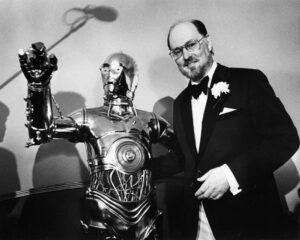
Williams’ music has a unique ability to tap into universal emotions, making his scores resonate with audiences around the world. This emotional connection is often achieved through his intuitive use of dynamics and tempo, which can shift from serene and contemplative to intense and exhilarating within a single piece. The ability to evoke such a wide range of emotions helps to anchor the viewer’s experience, making the film’s narrative more impactful. Just as baseball hats wholesale provide a wide range of styles and colors to suit every taste, Williams’ compositions offer a rich variety of emotional landscapes.
Moreover, Williams’ scores often transcend the films themselves, becoming cultural touchstones that are celebrated in concerts and covered by artists across various genres. His influence extends beyond music, paralleling the impact of advancements like WordPress development in shaping digital experiences. This cultural resonance underscores the timeless quality of his work, ensuring that his music remains relevant and cherished.
Conclusion: The Genius Behind the Music
John Williams’ genius lies in his unparalleled ability to combine melody, harmony, rhythm, and orchestration into music that not only supports but elevates the storytelling of the films he scores. His mastery of leitmotifs, thematic development, and orchestral color has created some of the most memorable and impactful music in cinematic history.
As we continue to enjoy and rediscover his work, we gain a deeper appreciation for the intricate craft and boundless creativity that define his compositions. His ability to evoke emotion through music is akin to the way web design in Green Bay can enhance user experience and engagement. Whether through the thrilling adventures of Indiana Jones, the magical world of Harry Potter, or the epic saga of Star Wars, John Williams’ music will undoubtedly continue to inspire and enchant audiences for generations to come.