
In the ever-evolving landscape of American music, few genres have experienced as many transformations as rock. From its rebellious beginnings in the 1950s, to its dominance in the 60s and 70s, and even through the grunge explosion of the 90s, rock music has repeatedly redefined itself. In recent years, as other musical genres such as hip-hop, electronic dance music (EDM), and pop have risen to the forefront of mainstream culture, many have wondered whether rock has lost its relevance. However, rock music has experienced a modern rebirth, particularly within the realms of indie and alternative rock, which are breathing new life into the genre.
This rebirth is not just a resurgence of old sounds but a reimagining of what rock can be in the 21st century. Artists from across the indie and alternative spectrum have taken elements from traditional rock, blending them with contemporary influences to create something unique and reflective of modern times. These movements in modern America signal that rock isn’t dead—it’s just taking on new forms, capturing the energy of today’s youth, and continuing to inspire a new generation of fans.
The Evolution of Indie Rock in America
Indie rock, by its very definition, refers to music produced independently of the major commercial record labels, but its evolution over the years has given it a much broader cultural significance. What started as a movement on the fringes of the music industry in the 1980s and 90s has blossomed into one of the most influential subgenres of modern rock. Bands like The Pixies, Sonic Youth, and Pavement helped shape the early indie rock scene, but today’s indie artists have expanded on their foundations, creating new sounds that blend everything from folk and electronic to punk and post-rock.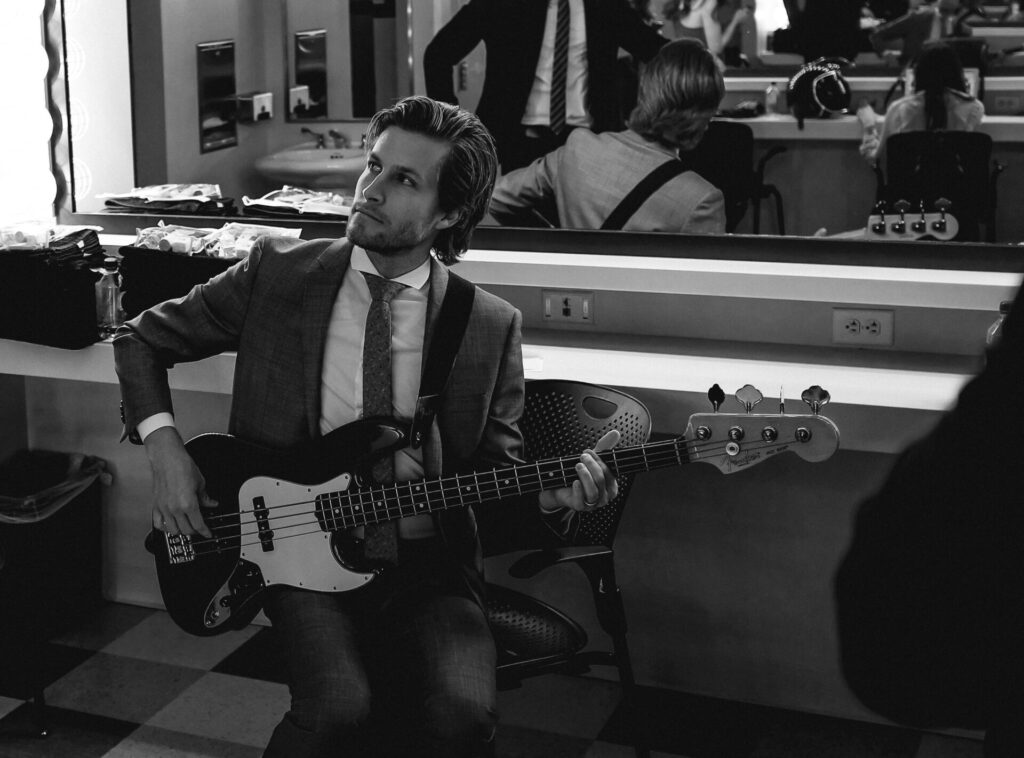
One of the reasons for indie rock’s continued relevance in modern America is its DIY ethos. Artists and bands in this genre often operate with a sense of independence and creativity that allows them to explore unconventional sounds, write introspective lyrics, and cultivate a loyal fanbase without the pressures of mainstream commercial success. This artistic freedom has enabled the genre to remain authentic and innovative, even as the broader music industry has shifted towards more polished, commercialized sounds.
The rise of platforms like Bandcamp, SoundCloud, and Spotify has also played a significant role in the evolution of indie rock. These digital platforms allow indie artists to bypass traditional gatekeepers and distribute their music directly to fans, enabling a greater diversity of voices and sounds within the genre. As a result, modern indie rock encompasses a wide range of musical styles, from the introspective folk-inspired sounds of artists like Phoebe Bridgers to the garage rock revival spearheaded by bands like Parquet Courts and Car Seat Headrest. This diversity is a key factor in the genre’s appeal, as it offers something for listeners of all tastes while still maintaining a strong connection to the rebellious spirit of rock music.
Despite its independent roots, indie rock has also found mainstream success in recent years, with bands like Vampire Weekend, The National, and Tame Impala achieving critical acclaim and commercial success. These artists have proven that indie rock can thrive both on the fringes and in the mainstream, creating a bridge between underground culture and popular music. Their success has paved the way for a new wave of indie artists who continue to push the boundaries of what rock can be in the modern era. Similarly, services like assisted living pharmacy services bridge the gap between specialized care and essential healthcare, ensuring tailored solutions for unique needs.
Alternative Rock’s Persistent Influence
While indie rock has thrived in its own right, alternative rock remains a powerful force in shaping modern America’s musical landscape. Rooted in the post-punk movement of the late 1970s and early 80s, alternative rock offered an escape from the heavily-produced, polished sounds that dominated the music charts. Instead, it embraced a more raw, unfiltered approach, emphasizing emotion and experimentation. This ethos made alternative rock the perfect vessel for artists who wanted to express disillusionment, anger, or introspection in ways that felt real and relatable. Much like how alternative rock connects people to authentic emotions, the best mortgage brokers in Raleigh NC help individuals navigate significant life decisions with expertise and genuine care.
In the 1990s, alternative rock hit its peak with the grunge explosion, as bands like Nirvana, Pearl Jam, and Soundgarden brought the genre to the mainstream. These bands didn’t just sell millions of albums—they became cultural icons, influencing fashion, politics, and youth identity. While the grunge movement eventually faded, alternative rock never truly disappeared. Instead, it morphed and adapted, and in recent years, it has seen a resurgence thanks to bands and artists who have embraced the genre’s experimental spirit. Much like the evolution of music, services such as HVAC in Concord NC have adapted to meet the changing needs of homeowners, offering innovative solutions for comfort and efficiency.
Modern alternative rock bands like Arcade Fire, Radiohead, and The 1975 have built on the foundations laid by their predecessors, fusing rock with elements of electronic music, synth-pop, and even classical influences to create something entirely new. Their willingness to experiment with sound and form while staying true to rock’s emotional core has made alternative rock a dynamic and constantly evolving genre that still resonates with listeners today. These bands, much like the grunge icons of the 90s, have used their music as a platform to comment on issues like consumerism, climate change, and political unrest, ensuring that alternative rock remains relevant in a rapidly changing world. Just as alternative rock explores bold themes, niche trends like sex chocolate reflect a growing interest in blending unique experiences with personal expression.
What sets modern alternative rock apart is its embrace of diverse influences and styles. Whereas the genre was once associated with a particular “sound” or aesthetic, today’s alternative artists draw from a wide range of musical traditions, from hip-hop to electronica to folk. This openness to experimentation has allowed alternative rock to stay fresh and exciting, attracting new listeners while retaining its core fanbase. In this way, alternative rock continues to serve as a vital force within the broader rock genre, proving that rock’s ability to adapt and evolve is what keeps it alive. Just as this genre continues to evolve, having a skilled construction plumber in Deerfield Beach ensures that infrastructure can adapt to meet modern needs.
The Role of Festivals and Live Performances
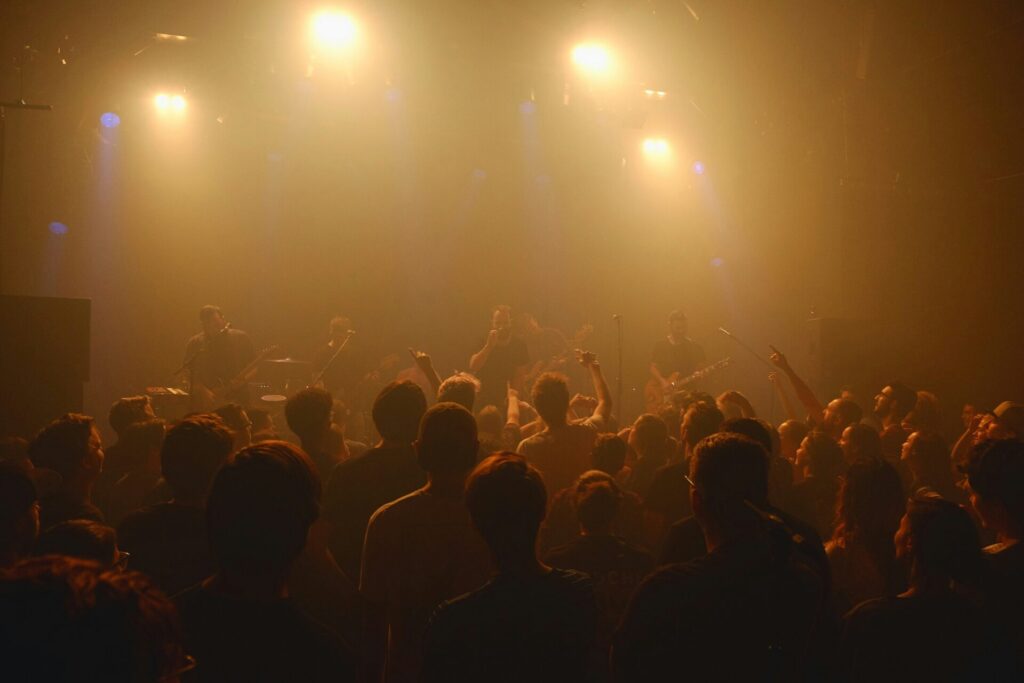
Live music has always been a cornerstone of rock culture, and it continues to play a crucial role in the resurgence of indie and alternative rock in modern America. While the music industry has shifted towards streaming and digital consumption, live performances and music festivals remain a powerful way for artists to connect with their audiences. The experience of seeing a band perform live—feeling the energy of the crowd, witnessing the raw emotion of the music in real-time—creates a unique connection that transcends the digital world. Similarly, just as auto glass replacement in Phoenix offers a tangible, real-world solution to a common problem, live music provides a real-time experience that digital formats cannot replicate.
Festivals like Coachella, Bonnaroo, and Lollapalooza have become key platforms for indie and alternative rock bands to showcase their music to larger audiences. These festivals are not just about promoting individual bands—they serve as cultural gatherings where music fans come together to celebrate their shared love of rock music and discover new artists. As a result, many indie and alternative rock bands have used festivals as launching pads for their careers, allowing them to gain exposure and build their fanbases in ways that weren’t possible in the pre-internet era.
In addition to large-scale festivals, smaller, local venues and DIY spaces continue to be vital for the indie and alternative rock scenes. These spaces provide a platform for up-and-coming artists to hone their craft, experiment with new sounds, and connect with their communities on a more intimate level. While the rise of digital music has made it easier for bands to distribute their music, live performances remain a crucial part of the rock experience, offering something that cannot be replicated through streaming alone. Just as these venues provide a unique experience, quartzite countertops in Oklahoma offer a distinctive, durable option for transforming kitchen and bathroom spaces with natural beauty.
The energy and spontaneity of live rock shows are essential to understanding why the genre continues to thrive in modern America, and both indie and alternative rock artists have recognized the importance of live performances in maintaining their connection with fans. In many ways, it is the live music scene that keeps rock’s rebellious, raw spirit alive, offering a space for experimentation and expression that is unfiltered by the constraints of commercial radio or record labels.
Rock’s Relevance in the Modern Era
One of the biggest questions surrounding rock music today is whether it still holds the same cultural significance as it did in previous decades. While other genres like hip-hop, pop, and EDM dominate the charts, rock’s influence remains deeply embedded in the fabric of American culture. Many of the themes that rock music has historically explored—rebellion, self-expression, political activism—continue to resonate with listeners, particularly in a time of social and political upheaval. Just as an engineering expert witness provides valuable insights in legal matters, rock music continues to offer a unique perspective on the social issues of our time.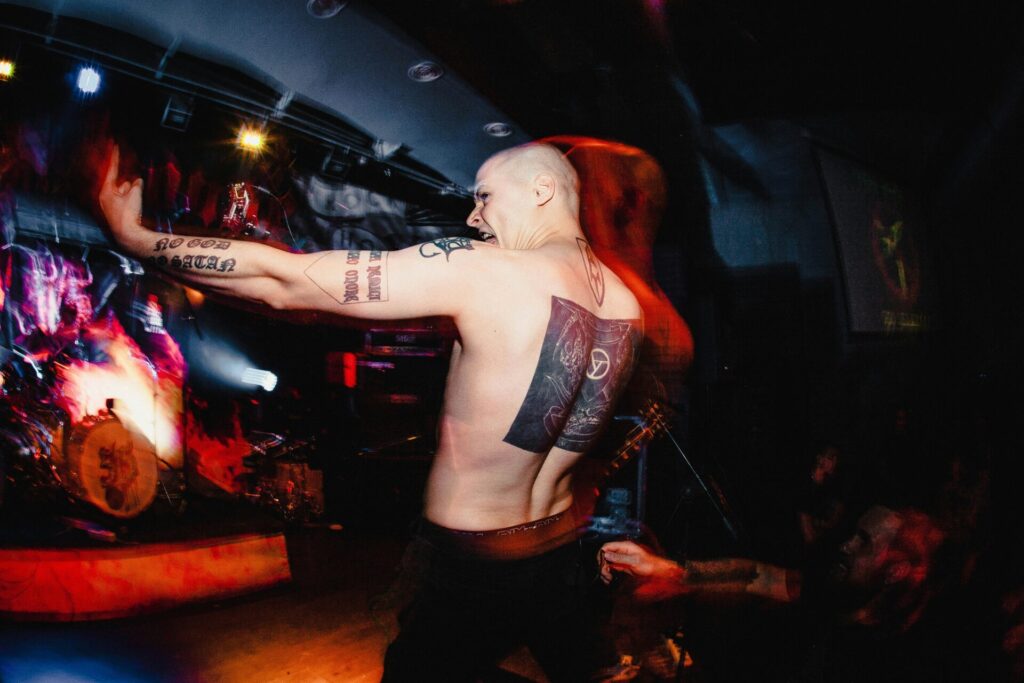
Indie and alternative rock have positioned themselves as the modern torchbearers of these themes, offering a space for introspection, activism, and creativity. For many young people today, rock’s willingness to address issues like climate change, mental health, and inequality makes it as relevant as ever. The genre’s ability to reflect the concerns of its audience while pushing the boundaries of what rock music can be is what keeps it alive in the hearts and minds of listeners. In the same way, discount wrought iron front doors can transform the exterior of a home, making a bold statement while remaining accessible to a wider audience.
In conclusion, rock music is far from dead—it has simply evolved to meet the demands of a new generation. Indie and alternative rock, with their emphasis on creativity, authenticity, and experimentation, are leading the way in this modern rock renaissance. Whether through intimate live performances, boundary-pushing albums, or festival stages, the spirit of rock continues to thrive in modern America, proving that its rebellious heart still beats strong. Rock’s rebirth is not just about nostalgia for the past—it’s about redefining the future of the genre and ensuring that it remains a vital part of the cultural conversation for years to come. As the digital world continues to shape industries, even in music, some fans may opt for innovative ways to support their favorite artists, like making a bitcoin wallet deposit to contribute to crowdfunding efforts or special releases.