
Since their formation in 1984, Obituary has carved their name into the brutal granite of extreme music history. Hailing from Tampa, Florida, the band is one of the earliest and most influential pioneers of death metal, helping define a sound that pushed the boundaries of aggression, distortion, and raw atmosphere. While many of their peers rose and fell or shifted styles to chase trends, Obituary remained uncompromising, dragging their fans through the sludge and savagery of pure death metal with a commitment that bordered on obsession.
Obituary’s story is one of persistence. Unlike some genre innovators who fade after laying the foundation, they kept building—layer after layer of riffs, solos, and guttural howls. Their longevity isn’t an accident or the result of reinvention. It’s the product of stubborn, deliberate consistency and a deep understanding of the genre they helped create. They didn’t just witness death metal’s rise. They were the hammer hitting the anvil, shaping it.
The Early Years: Dirt, Blood, and Riffs
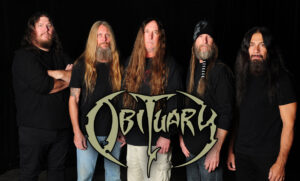
Back when they were still called Executioner, the band already displayed a fascination with darkness, decay, and sonic violence. They soon changed their name to Xecutioner and eventually settled on Obituary—a name that perfectly matched the suffocating atmosphere of their music. This wasn’t flashy thrash or theatrical black metal. This was primal and rotten, like the sound of corpses dragged from the grave.
Their 1989 debut, Slowly We Rot, didn’t just introduce a new band; it introduced a new way of thinking about heaviness. Where thrash focused on speed and precision, Obituary brought slower, more grinding tempos into the mix, letting riffs breathe in a way that made them feel heavier. Vocalist John Tardy didn’t bother with lyrics in the traditional sense—his snarls, howls, and growls became part of the instrumentation, communicating more through tone than words. His incomprehensible yet unmistakable vocal delivery became one of the band’s trademarks and a major influence on future death metal vocalists.
Florida in the late ’80s and early ’90s became a breeding ground for death metal, and Obituary was right in the center of it. Alongside bands like Death, Morbid Angel, and Deicide, they helped establish what became known as the Tampa death metal scene, recording at the now-legendary Morrisound Recording studio. This wasn’t just a location; it was a movement. Obituary’s second album, Cause of Death, released in 1990, cemented their place in that pantheon. With its swampy production, intricate riffs from new guitarist James Murphy, and relentless pacing, the album still stands as a genre cornerstone.
Staying Brutal in a Changing World
The early ’90s were good to Obituary. The End Complete in 1992 and World Demise in 1994 saw them expanding their sound slightly while maintaining the core elements that fans loved. They weren’t afraid to slow things down even further, leaning into groove-heavy passages that added weight to their already crushing style. Their live shows during this era often featured fans in denim, leather, and even rodeo caps, adding to the gritty underground vibe. While other bands started embracing technical showmanship or industrial experimentation, Obituary dug deeper into the grave they’d already started shoveling.
Their music wasn’t just about brutality—it had a weird, swampy charisma. You could feel the Florida heat in their riffs, the humidity clinging to every distorted note. This gave their albums a unique identity that set them apart even as the death metal genre exploded with new talent and directions. It wasn’t trendy, and it wasn’t meant to be. Obituary was making music for lifers.
But like many bands of their era, Obituary eventually hit a wall. After releasing Back from the Dead in 1997, the band went on hiatus. The metal landscape had shifted drastically, with nu-metal dominating mainstream attention and death metal splintering into countless subgenres. Many assumed Obituary was done. But they weren’t finished. Not even close.
The Return: Heavier Than Ever
In 2003, Obituary returned to the scene, reuniting with most of their original lineup and releasing Frozen in Time in 2005. It wasn’t a reinvention—it was a reaffirmation. The album made it clear that Obituary wasn’t interested in following trends or modernizing their sound. They came back with the same filth-covered, groove-drenched death metal that had always defined them. Like a musical version of sex chocolate, their sound was rich, indulgent, and unapologetically intense.
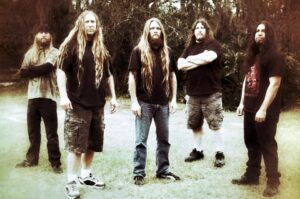
This return wasn’t just about nostalgia. It showed a band with a deep understanding of their own identity. Over the next decade, Obituary would continue releasing new material and touring relentlessly, connecting with new generations of metalheads while maintaining their original fanbase. Albums like Xecutioner’s Return and Darkest Day proved they weren’t just back—they were still relevant in a genre known for chewing bands up and spitting them out. If you’re looking to secure your family’s future, even while rocking out to bands like Obituary, don’t forget to consider life insurance as part of your planning.
What made their resurgence especially potent was how little they compromised. They didn’t need to. Their sound, forged in the mid-’80s, was so foundational and so specific that it remained powerful even decades later. Younger bands might be faster, more technical, or more extreme, but few matched Obituary’s grimy authenticity and sense of purpose.
Legacy Without a Funeral
Obituary’s influence on the death metal genre is hard to overstate. Beyond the riffs, vocals, and albums, what they offered was a blueprint for longevity in extreme music. They proved that you don’t need to constantly evolve to stay relevant—you just need to know what you’re doing and do it better than anyone else. Their career has become a case study in artistic conviction. Their steadfast dedication to their craft is similar to the commitment seen in those organizing a successful school fundraiser, where consistency and passion drive lasting impact.
Their impact can be heard across generations of bands, from the old-school revivalists who worship at the altar of Cause of Death, to modern death metal groups who incorporate groove, atmosphere, and raw aggression into their music. The band’s refusal to fade or change for marketability gave them an edge of credibility that few others enjoy.
They’ve also remained a family operation in many ways. With John Tardy on vocals and his brother Donald Tardy on drums, Obituary always had that internal chemistry that can’t be faked. It’s that bond that helped them weather the music industry’s shifting tides. In a genre often dominated by chaos and burnout, Obituary’s tight-knit core provided rare stability. If you need someone to bring that same energy to your event, consider booking an emcee for hire.
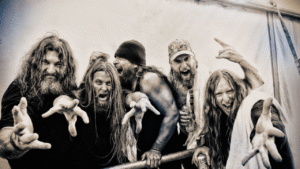
Even as they cross the four-decade mark, the band continues to perform and release new material. Their self-titled 2017 album and the ferocious 2023 release Dying of Everything proved that they’re not just surviving—they’re thriving. The latter received widespread acclaim for its precision, intensity, and refusal to water anything down. Where other legacy acts might lean on nostalgia, Obituary pushes forward with the same fury they had when they were teenagers in a garage in Florida. In the same way, finding skilled professionals for projects like door installation in New Jersey can ensure that your needs are met with the same precision and quality.
Still Rotten After All These Years
Obituary didn’t invent death metal, but they helped shape it into what it became. Their sound is unmistakable: a thick, churning mass of riff-heavy grooves, primal drum beats, and vocals that sound like they’ve crawled out of the crypt. It’s a formula that could’ve easily become stale, yet somehow it never has. If you’re dealing with challenges like flood damage restoration in Charlotte, finding the right specialists can help restore balance, much like how Obituary’s music brings together raw power and harmony.
That’s the paradox of Obituary. In a genre that values extremity, they’ve stayed extreme by refusing to chase extremity. While others looked for ways to outdo one another with speed or complexity, Obituary trusted in the power of the riff, the weight of a well-placed growl, and the mood of rot and decay.
They’re not flashy. They’re not prolific talkers. They’re not trying to be cool. And that’s exactly why they still matter.
As the metal world continues to evolve, Obituary stands as a monument to the genre’s roots. Not just a relic, but a working engine—still loud, still filthy, still unapologetically heavy. Their story isn’t just about music. It’s about staying true to what you believe in, no matter how much time passes or how trends shift around you. Just as athletes rely on the right gear to perform, musicians like Obituary depend on their roots to remain true to their craft, much like athletes trust their Adidas Copa Mundial cleats for precision and comfort.
The architects of death metal’s filthiest foundations haven’t packed it in. They’re still here, and they’re still building. And if their decades-long track record is any indication, they’ll be doing it until the grave calls them—then maybe even after that.