
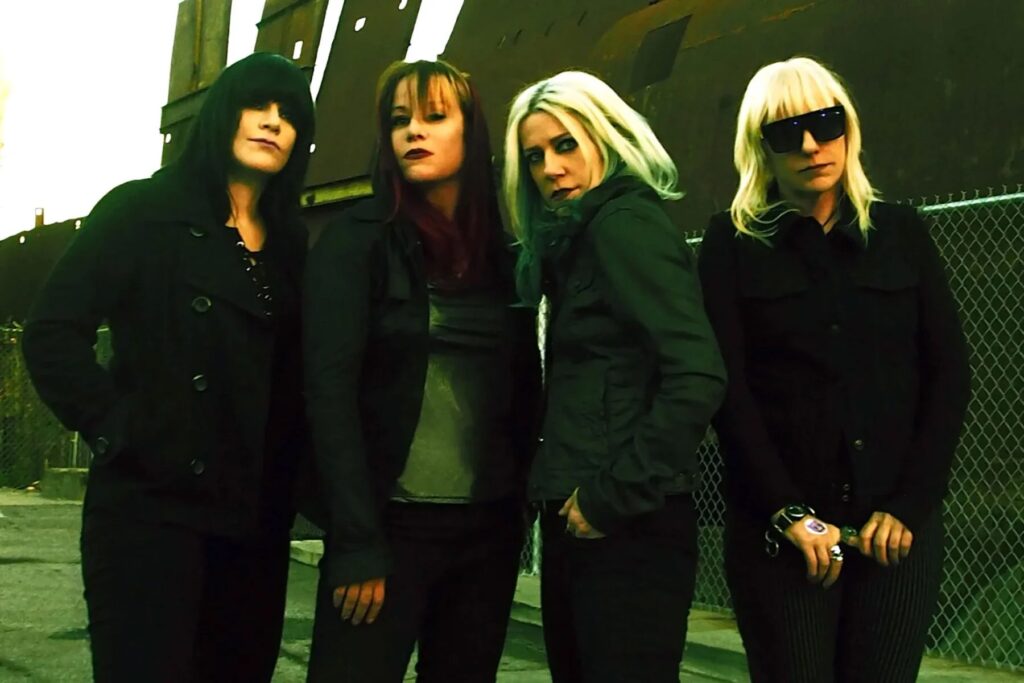
The 1990s were a transformative period for rock music, a decade that saw the rise of grunge, alternative rock, and a renewed space for women to assert their presence on the electric stage. Amidst this sonic upheaval, L7 emerged as a raw, unapologetic, and trailblazing force, blending the ferocity of punk with the angst of grunge. Formed in Los Angeles in 1985, the band, consisting of Donita Sparks, Suzi Gardner, Jennifer Finch, and Demetra “Dee” Plakas, carved a distinctive path that challenged gender norms, reshaped rock’s cultural landscape, and left an indelible mark on 90s music.
The Birth of a Riot Grrrl Icon
L7’s inception coincided with the gestation of the Riot Grrrl movement, yet the band’s approach to feminism in rock was uniquely their own. While many contemporary female-fronted bands were often pigeonholed or dismissed, L7 refused to compromise their sound or image. Their music was aggressive, unapologetically loud, and socially conscious. Songs like “Pretend We’re Dead”, which became an anthem for female empowerment and disillusionment, showcased their ability to merge catchy hooks with confrontational lyrics. The song’s infectious riff, combined with Sparks’ sardonic vocals, conveyed a defiance that resonated with fans who were eager for authenticity.
The 90s audience was ready for a band that could speak truth to societal expectations while still delivering the raw energy of rock. L7’s presence on stage was more than a performance—it was a statement. They were women who could thrash guitars, command mosh pits, and confront sexism without flinching, demonstrating that female musicians could inhabit the same space traditionally dominated by men in grunge and punk circles. L7’s confidence and irreverence provided a model of empowerment that went beyond music—it was about reclaiming space in a cultural landscape that often sought to silence women.
Defining the L7 Sound
L7’s sound is a compelling blend of grunge’s distorted, gritty aesthetic and punk’s visceral aggression. Their 1992 album “Bricks Are Heavy”, produced by Butch Vig, captured the essence of early 90s rock while amplifying the band’s fierce personality. Tracks like “Shitlist” and “Everglade” combined heavy guitar riffs with clever, confrontational lyrics, allowing L7 to stand out even amidst the crowded Seattle-dominated grunge scene. Unlike some of their peers, L7 didn’t just echo the angst and despair of the era—they infused humor, irreverence, and bold commentary into their music, creating a voice that was unmistakably their own.
The band’s songwriting often explored themes of female agency, societal critique, and personal rebellion. Their ability to merge these themes with infectious melodies and aggressive instrumentation made their music accessible without diluting its power. L7’s songs weren’t just about rebellion; they were about creating space for marginalized voices in rock and celebrating individuality in a scene that often demanded conformity. The band’s unique approach to songwriting allowed listeners to engage with both the emotional intensity and the social commentary embedded in their tracks, making L7 not only entertainers but chroniclers of their era.
The Cultural Impact of L7
L7’s influence extended far beyond their music. They became emblematic of the 90s alternative scene, representing a raw, unfiltered counterpoint to the increasingly commercialized grunge movement. Their participation in events like the 1992 Reading Festival and the Lollapalooza tour solidified their reputation as a must-see live act. Their performances were unpredictable, energetic, and unapologetically chaotic, drawing audiences who were eager for authenticity in an era dominated by MTV aesthetics.
The band’s cultural significance also lies in their engagement with feminist and political discourse. L7 didn’t just make music—they used it as a platform for activism. One of the most iconic moments in their career was the 1992 Rock Against Racism campaign, where the band’s performances intertwined with social messaging. Their advocacy for female musicians in rock, combined with their willingness to confront societal norms head-on, positioned L7 as role models for a generation of young women eager to break free from traditional gender roles in music. Their activism wasn’t performative; it was embedded in every chord, lyric, and stage presence, reflecting a commitment to shaping culture as much as entertaining audiences.

Iconic Tracks That Shaped the 90s
Several L7 songs became emblematic of the band’s ethos and influence. “Andres”, a single from Bricks Are Heavy, showcased the band’s signature fusion of humor and aggression. Its playful yet pointed lyrics, combined with a driving rhythm, highlighted their ability to address serious topics with wit and musical ingenuity. Another standout track, “Monster”, exemplified L7’s capacity to create darkly humorous, high-energy rock that was as catchy as it was confrontational.
“Fuel My Fire” and “Bite the Wax Tadpole” further demonstrated the band’s versatility. While rooted in grunge’s raw, guitar-driven sound, these songs explored diverse lyrical themes, from personal empowerment to social critique. Each track carried the band’s unmistakable energy and irreverence, ensuring that L7’s music resonated with listeners who craved substance alongside sonic aggression. Even songs like “Slide” and “Everglade” showcased their ability to combine catchy hooks with hard-hitting riffs, making their albums feel cohesive yet full of surprises. Fans often cite the interplay between Gardner and Sparks’ guitars as a defining feature that elevated L7’s sound above many contemporaries.
L7 and the Women of Grunge
While the 90s saw a surge of female-fronted bands, L7 distinguished themselves through their unapologetic authenticity. Bands like Hole, Babes in Toyland, and Bikini Kill were contemporaries, but L7’s approach to performance and songwriting emphasized confrontation and humor alongside raw emotion. They weren’t just women in a male-dominated industry—they were innovators who redefined what it meant to be a female rock musician in the 90s.
Their visibility and impact inspired countless young women to pick up instruments, form bands, and demand space within the music industry. L7’s willingness to embrace their flaws, rage, and individuality sent a clear message: talent, attitude, and authenticity matter more than conforming to societal expectations or marketing strategies. This ethos continues to influence female musicians in rock and alternative genres decades later.
Live Performances and Legendary Stage Presence
L7’s reputation was built as much on their live shows as their recordings. The band’s concerts were electrifying, chaotic, and unforgettable. Their willingness to engage with the audience, break norms, and create an immersive experience made them legends of live rock performance. Fans remember moments like Donita Sparks’ infamous stage antics, which blurred the line between performance and spectacle, leaving audiences both exhilarated and inspired.
The band’s energy was infectious, and their shows became communal experiences that celebrated rebellion, empowerment, and sheer fun. L7’s live presence proved that rock music could be both aggressive and joyous, confrontational and celebratory—a duality that captured the spirit of 90s alternative culture.
The Intersection of Humor, Politics, and Rock
One of the most distinctive aspects of L7 was their ability to intertwine humor with political and social commentary. Unlike some bands that leaned heavily into angst or anger, L7 often employed wit as a weapon. Their cheeky lyrics and bold visuals made political points feel accessible and engaging rather than preachy. For instance, the provocative music video for “Pretend We’re Dead” mixed irony with a critique of apathy and societal expectation, creating a piece of art that was both entertaining and thought-provoking.
This blending of humor and politics was emblematic of the band’s broader approach to rock music. L7 understood that rock’s power lay in its ability to connect emotionally, socially, and culturally.
Legacy and Influence on Modern Rock
L7’s impact on rock music extends far beyond their active years in the 1990s. Their fusion of grunge, punk, and feminist ethos paved the way for future generations of musicians who refuse to be boxed in by gender, genre, or industry expectations. Contemporary bands often cite L7 as a key influence, acknowledging their ability to balance musical ferocity with cultural commentary.
The band’s reunion tours and continued presence in festivals serve as a testament to the enduring appeal of their music. Songs like “Pretend We’re Dead” and “Shove” remain anthems for rebellion, empowerment, and authenticity, illustrating that the themes L7 championed decades ago are still relevant in today’s cultural landscape. L7’s ability to combine raw energy with thoughtful messaging ensures that their music continues to inspire both fans and musicians alike.
Conclusion: From Grunge to Glory
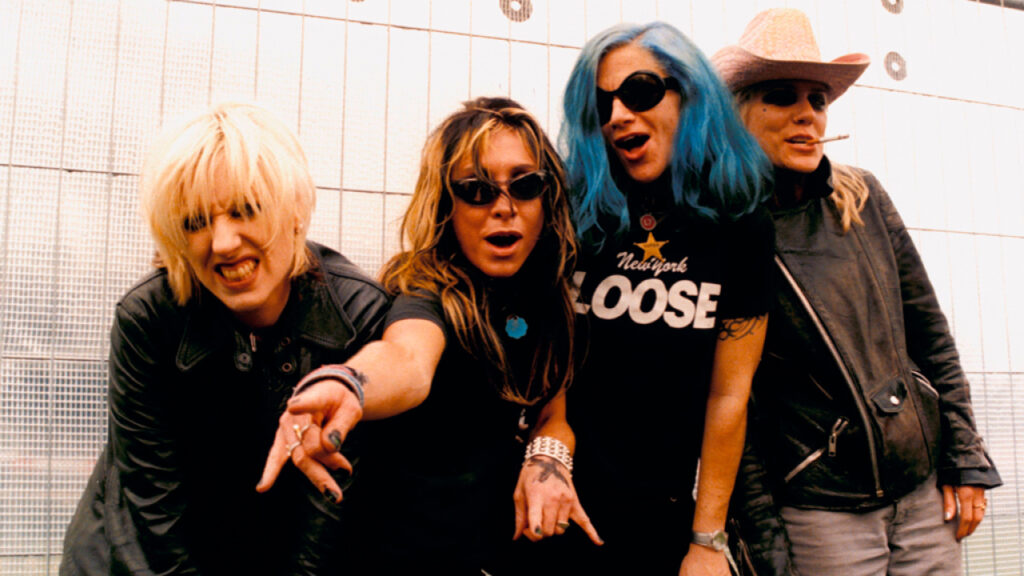
L7’s journey from the underground clubs of Los Angeles to international acclaim embodies the spirit of 90s rock music: rebellious, raw, and unapologetically authentic. They broke barriers for women in rock, influenced countless musicians, and left a legacy defined not just by their music but by their cultural impact. Their songs, from “Pretend We’re Dead” to “Everglade”, are more than just tracks—they are declarations of individuality, empowerment, and creative freedom.
In an era where grunge and alternative rock reshaped the musical landscape, L7 stood out not just for their sound, but for their courage to defy expectations. Their enduring influence is evident in the continued reverence for their work, the inspiration they provide to new generations of musicians, and the cultural shifts they helped catalyze. From grunge to glory, L7’s legacy is a powerful reminder that authenticity, defiance, and creativity are timeless forces in rock music.