
The story of the Goo Goo Dolls is a testament to the enduring power of persistence, passion, and authenticity in rock music. Emerging from the gritty streets of Buffalo, New York, in 1986, the band began as a small garage act with raw energy, a few guitars, and dreams that far exceeded their modest beginnings. What makes their journey remarkable isn’t just their commercial success—it’s the way they redefined alternative rock, bridging the raw, edgy sound of punk with melodic sensibilities that would later dominate mainstream airwaves.
The band’s original lineup, featuring John Rzeznik on guitar and vocals, Robby Takac on bass, and George Tutuska on drums, embraced the do-it-yourself ethos of the time. Their early recordings, such as their self-titled debut album Goo Goo Dolls (1987), were a mix of punk aggression and experimental alternative sounds. Tracks like “Bangs” and “Lucky Star” showcased a band unafraid to push boundaries, blending distortion-heavy guitars with emotional intensity. They weren’t polished, but they were authentic—and that authenticity resonated with a growing underground audience.
The Transformation of Sound
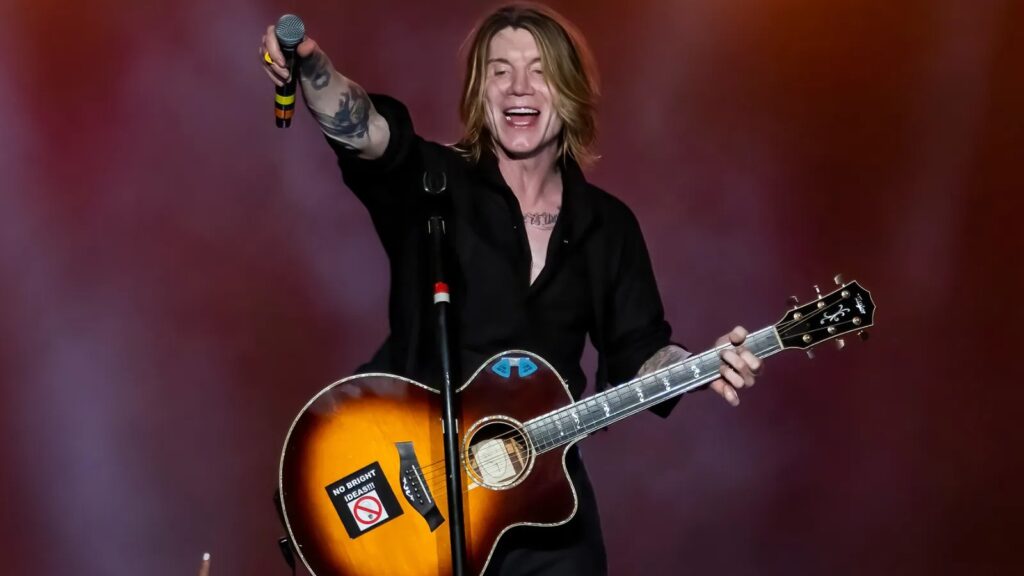
What truly set the Goo Goo Dolls apart was their evolution from punk-rooted garage rock to a more melodic, emotionally-driven style without losing their edge. This transition became most evident with the release of A Boy Named Goo in 1995. The album featured hits like “Name,” which showcased John Rzeznik’s knack for writing lyrics that feel intensely personal yet universally relatable. The song became a defining anthem for a generation of listeners who craved sincerity amidst the grunge and post-grunge landscape of the 1990s.
This transformation wasn’t just about commercial appeal—it reflected the band’s growing artistic maturity. While earlier work thrived on raw energy and rebellious spirit, Rzeznik’s songwriting began to explore themes of love, longing, and introspection. The Goo Goo Dolls showed that alternative rock could carry emotional depth without sacrificing the grit that made the genre compelling. They proved that you could be heartfelt and still maintain a sense of edge.
Breaking Into the Mainstream
The mid-1990s were a turning point. The release of Dizzy Up the Girl in 1998 marked the band’s definitive leap into mainstream consciousness. The album spawned some of the band’s most enduring hits, including “Iris,” “Slide,” and “Broadway.” “Iris,” in particular, became a cultural phenomenon. Written for the soundtrack of the film City of Angels, the song combined orchestral swells with Rzeznik’s vulnerable vocals, creating a cinematic, emotionally charged track that transcended the boundaries of rock.
“Iris” demonstrated the band’s unique ability to marry rock instrumentation with an almost pop-like accessibility, a feat few alternative bands had managed at the time. It wasn’t just radio-friendly; it was timeless. The song’s lyrics, full of longing and existential reflection, captured a generation’s desire for connection and authenticity. In many ways, “Iris” became the blueprint for what alternative rock could achieve: emotional resonance without losing musical credibility.
The Lyrics That Connected
One of the most significant ways the Goo Goo Dolls redefined alternative rock was through their lyrical approach. Whereas many rock bands of the era relied heavily on abstract or angst-driven themes, the Goo Goo Dolls leaned into introspection and vulnerability. Songs like “Name,” “Slide,” and “Here Is Gone” showcased storytelling that felt immediate and personal, yet somehow relatable to millions of listeners. The band tapped into the human experience, writing about love, heartbreak, and the complexities of life in ways that didn’t feel forced or contrived.
This lyrical approach helped the band carve out a distinct niche. They weren’t just another alternative rock band competing with grunge and post-grunge heavyweights—they were creating an emotional bridge between underground credibility and mainstream accessibility. Fans connected with them because the music felt honest. There was a sense that Rzeznik and Takac were inviting listeners into their world, sharing their experiences in a way that was both intimate and universal.
The Live Experience
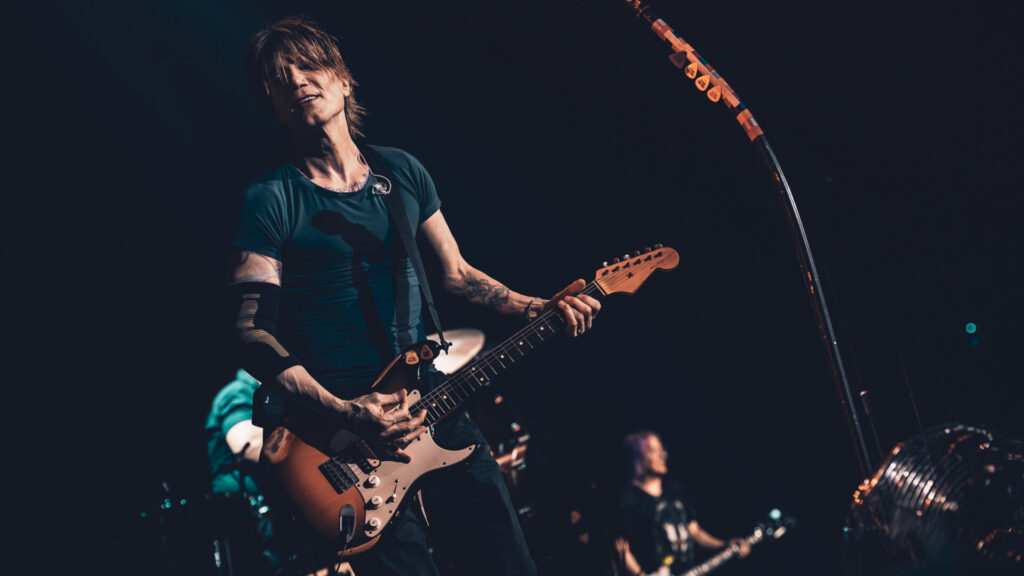
While studio albums cemented their reputation, the Goo Goo Dolls’ live performances were equally transformative. Known for their energy and connection with audiences, the band brought an authenticity to the stage that mirrored their recorded work. From small clubs in Buffalo to massive arenas worldwide, their shows captured the raw intensity of their garage beginnings while incorporating the polished sound of their later hits. Tracks like “Black Balloon” and “Sympathy” became live staples, allowing fans to experience the emotional weight of their music in real time.
Touring also gave the band the opportunity to evolve musically, experimenting with different arrangements and connecting with diverse audiences. Unlike some contemporaries who relied on studio wizardry, the Goo Goo Dolls proved they could replicate their sound live, reinforcing their credibility and solidifying their place in the pantheon of alternative rock.
Influence on Modern Rock
The impact of the Goo Goo Dolls extends far beyond their own discography. Their success showed that alternative rock could embrace melody and emotional depth without losing its edge, paving the way for countless artists who sought to balance authenticity with accessibility. Bands like OneRepublic, The Fray, and even contemporary pop-rock acts draw inspiration from the Goo Goo Dolls’ model of heartfelt lyrics paired with anthemic melodies.
Moreover, the Goo Goo Dolls demonstrated that longevity in rock music wasn’t just about reinventing your sound—it was about staying true to your core identity while adapting to the times. Their ability to navigate the changing musical landscape, from the gritty ’80s underground scene to the polished, radio-ready rock of the 2000s, provides a blueprint for sustainable success in a notoriously fickle industry.
Evolving Through Decades
The Goo Goo Dolls’ journey didn’t plateau after the 1990s. Albums like Let Love In (2006) and Something for the Rest of Us (2010) showcased a band willing to experiment while staying rooted in the emotional authenticity that defined their sound. Songs like “Better Days” and “Home” revealed a mature perspective, reflecting life experience without abandoning the heartfelt approach that made fans fall in love with them in the first place.
This evolution illustrates a crucial point: the band’s redefinition of alternative rock wasn’t a one-time achievement—it was an ongoing process. By continually exploring new musical landscapes while maintaining their signature blend of grit and melody, the Goo Goo Dolls proved that alternative rock could grow with its audience. Their music resonates not just because of nostalgia, but because it evolves alongside listeners’ lives.
Cultural Resonance
Beyond musical innovation, the Goo Goo Dolls achieved a cultural significance that few bands attain. Their songs became soundtracks to life’s pivotal moments, from teenage heartache to adult reflection. “Iris” is often cited as a quintessential love song of the late ’90s, while “Slide” captured the complex emotions of relationships and choices. Their ability to connect with listeners on such a personal level gave their music staying power and cemented their role as cultural icons.
Their influence even extends into film and television, with songs featured in countless soundtracks, further embedding their work in public consciousness. The band’s consistent emphasis on emotional honesty resonates across generations, proving that music that speaks to the human condition will always find an audience.
Legacy and Enduring Impact
The Goo Goo Dolls’ journey from a small garage in Buffalo to global acclaim is more than a story of commercial success—it’s a story of artistic evolution and emotional connection. They redefined alternative rock not by abandoning their roots, but by building upon them, blending punk energy with melodic storytelling, and showing that emotional authenticity could thrive in mainstream music.
Their legacy is evident in the countless bands that cite them as an influence, the millions of fans who continue to sing along to “Iris” and “Name,” and the enduring relevance of their music decades after their debut. They proved that alternative rock could be both commercially viable and emotionally resonant, paving the way for a new era of artists who strive for the same balance.
The Goo Goo Dolls remind us that rock music is more than just sound—it’s connection. It’s a vehicle for expressing vulnerability, resilience, and shared experience. From garage beginnings to stadium performances, from raw punk energy to orchestral ballads, the band has redefined what it means to be an alternative rock band in a way that is both timeless and deeply human.
The Goo Goo Dolls didn’t just climb from a garage to glory—they redefined the very landscape of alternative rock along the way. And in doing so, they left a legacy that will echo through the genre for decades to come.