
Joint pain during exercise is a common issue for many individuals, especially as they age or push their physical limits. Whether you’re an athlete or just someone trying to stay active, managing joint pain effectively is crucial for maintaining mobility and improving overall performance. Fortunately, there are several solutions available that can help alleviate discomfort, enhance recovery, and ensure you can continue to work out without being sidelined.
Supportive Gear for Pain Relief
When it comes to managing joint pain during exercise, one of the most effective ways to protect the joints is through supportive wear. These products are designed to provide stabilization, reduce strain, and keep joints in the right position. By wearing these supportive accessories, individuals can reduce their risk of aggravating existing injuries or developing new ones.
- Bracing Options: Specialized braces for the knee, shoulder, and wrist offer targeted support to the areas most prone to injury. These braces can provide compression to reduce swelling and alleviate pain, helping you get through a workout without additional strain.
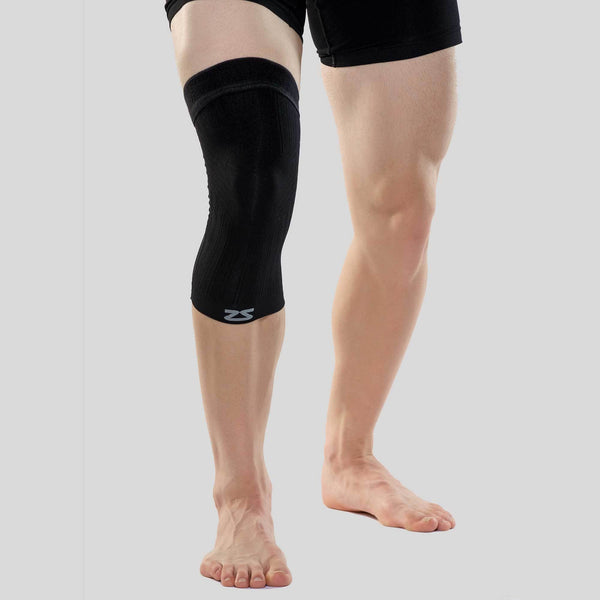
- Compression Sleeves: Compression gear not only supports the joints but also improves circulation, which can reduce inflammation and speed up recovery time. They are a great addition to your workout routine, especially for those with arthritis or chronic joint issues. Alternatively, a non-compressive knee sleeve can provide gentle support without the tightness of traditional compression options, making it ideal for those seeking comfort during lighter activities.
- Recovery Wear: Using recovery wear after an intense workout session can help in reducing the onset of muscle soreness and joint discomfort. These products are designed to assist in faster healing and help the body recover more effectively.
Warm-Up and Cool-Down Routines
One of the best ways to avoid joint pain during exercise is by properly warming up and cooling down. These essential components of a workout help to prepare your body for movement and ease muscle tension afterward. A proper warm-up ensures your joints are lubricated, and your muscles are primed for activity, reducing the likelihood of injury. Cooling down, on the other hand, helps with muscle recovery and reduces stiffness, which can also prevent joint pain.
- Dynamic Stretches: These movements gently engage your muscles and joints, increasing the range of motion and preparing them for the exercises ahead. Simple exercises like leg swings, arm circles, or lunges can help loosen up the body.
- Static Stretches: After exercising, static stretching can help improve flexibility and prevent muscles from tightening. This is crucial for keeping joints limber and reducing post-workout stiffness.
Proper Technique and Form
Exercising with improper form can place unnecessary stress on your joints, leading to pain and potential injury. Whether you’re lifting weights, running, or practicing yoga, it’s essential to use the correct technique to avoid putting excessive strain on vulnerable areas like the knees, shoulders, or wrists.
- Posture Awareness: Maintaining a neutral spine and engaging the right muscle groups can alleviate unnecessary pressure on your joints. For instance, bending your knees while lifting weights or keeping your wrists in a neutral position during push-ups can help prevent joint pain.
- Progressive Training: Gradually increasing the intensity of your workouts allows your body to adapt, strengthening muscles and joints over time. Jumping into high-intensity exercises too quickly can result in overuse injuries, especially in those with pre-existing joint issues.
Conclusion
Joint pain doesn’t have to be a barrier to exercise. By incorporating supportive wear, focusing on warm-ups and cool-downs, and practicing proper form, you can effectively manage pain and prevent further injury. These strategies will allow you to stay active, improve your fitness level, and recover faster, ensuring that joint pain doesn’t hold you back from achieving your fitness goals.