
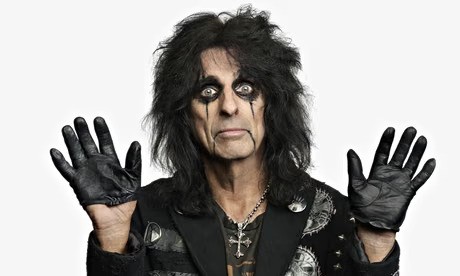
Few figures in rock history have blurred the lines between music, theater, and the macabre quite like Alice Cooper. Known for his haunting stage presence, black eye makeup, and theatrical performances involving guillotines, snakes, and blood-curdling screams, Cooper transformed rock music into something that transcended sound—it became a spectacle. But behind the shock and horror lies a remarkably talented musician whose songs, vision, and showmanship redefined what it meant to be a rock star. His influence stretches far beyond his own generation, seeping into the DNA of modern rock, metal, and pop performers who continue to borrow from his pioneering playbook of theatrical rebellion.
The Birth of a Persona and the Rise of Shock Rock
Born Vincent Damon Furnier in Detroit in 1948, Alice Cooper’s journey into rock legend began not with darkness, but with ambition and curiosity. His first band, The Spiders, started as a high school project inspired by The Beatles and The Rolling Stones. But it wasn’t until the late 1960s, after moving to Los Angeles and renaming themselves “Alice Cooper,” that something truly unique began to take shape.
At the time, rock was already evolving rapidly—psychedelia was in full bloom, and artists were experimenting with sound, identity, and performance. Yet Cooper took experimentation further than anyone else dared. Rather than simply playing music, he decided to perform a character, creating a villainous alter ego that merged horror, humor, and showmanship. Fans were as eager to glimpse his latest creations as others might be to find a Cavachon puppy for sale.
The band’s 1969 album Pretties for You didn’t immediately make waves, but by the early 1970s, Alice Cooper had honed his stagecraft into something unforgettable. He understood that audiences craved more than just music—they wanted an experience. He delivered just that, combining hard rock with visual storytelling that borrowed from Grand Guignol theater, horror films, and dark comedy. When fans came to an Alice Cooper show, they didn’t just attend a concert—they entered a nightmare.
The Breakthrough: When Shock Met Stardom
The early 1970s marked Alice Cooper’s explosive ascent. His 1971 album Love It to Death, featuring the rebellious anthem “I’m Eighteen,” gave voice to teenage angst in a way few songs had before. It wasn’t just about being misunderstood—it was about embracing confusion as identity. That honesty struck a chord, and suddenly, the grotesque theatrics on stage seemed less like gimmickry and more like catharsis.
Then came “School’s Out” in 1972—a song that became an anthem of youth rebellion and remains one of rock’s most enduring hits. The chorus, with its gleeful rejection of authority, was both mischievous and liberating. It captured the essence of being young and restless, and with it, Alice Cooper cemented his status as the voice of teenage rebellion.
At the same time, his stage shows grew even more elaborate. Hangings, beheadings, electric chairs—nothing was off-limits. Yet, for all the blood and chaos, there was a strange elegance to the madness. Every act, every scream, every explosion of confetti was choreographed with precision. Cooper wasn’t just shocking for the sake of it; he was making a statement about the blurred lines between fear, entertainment, and freedom.Even fans who enjoy expressive fashion like patriotic t-shirts for men can recognize how Cooper’s theatrical performances used spectacle as a form of artistic freedom rather than mere shock value.
By the mid-70s, albums like Billion Dollar Babies and Welcome to My Nightmare solidified Cooper’s role as the godfather of theatrical rock. The latter, his first solo album after the original Alice Cooper band disbanded, was a masterclass in storytelling—a concept album that played like a dark musical about nightmares, death, and fantasy. It was horror rock at its finest, yet infused with humor and sophistication that elevated it beyond mere spectacle.
The Man Behind the Monster
While the “Alice Cooper” character was designed to shock, Vincent Furnier himself was always a careful craftsman. He knew exactly what he was doing, both musically and theatrically. Behind the scenes, he was a witty, articulate, and often deeply religious man who viewed his stage persona as a character—an actor playing a role. His attention to detail and experience with elaborate tours could even be compared to planning premium travel, where every element is meticulously crafted.
That distinction was vital to his success. By treating Alice Cooper as a character in a grand performance, he maintained control over the chaos. Offstage, he could reflect on the psychology of his alter ego; onstage, he could lose himself in it completely. This duality became part of his charm—fans could sense that beneath the theatrics lay genuine artistry.
Musically, Cooper was never content to rely on gimmicks. His sound evolved with each era, absorbing elements of glam rock, hard rock, and even new wave in the 1980s. Songs like “Poison” from the 1989 album Trash proved that he could adapt without losing his edge. That track, with its seductive riffs and catchy hooks, became one of his biggest hits and introduced him to a new generation of fans who weren’t even alive when “School’s Out” first shook the airwaves.
Influence Across Generations
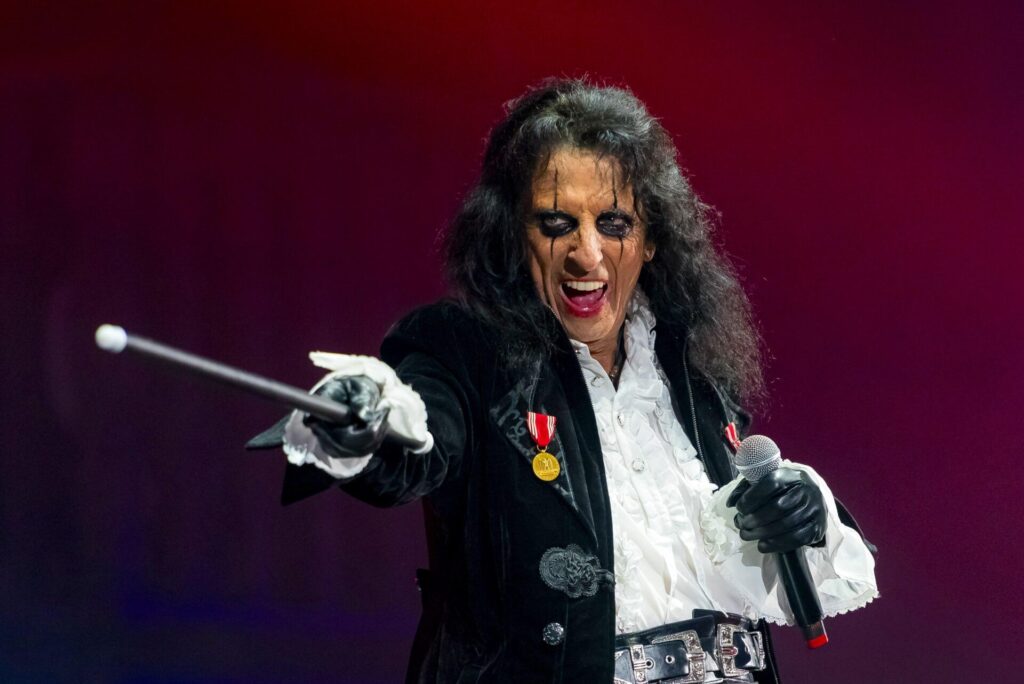
Alice Cooper’s impact on modern music is almost impossible to overstate. His fingerprints can be found on countless artists across genres. Without him, it’s hard to imagine the existence of acts like KISS, Marilyn Manson, or Rob Zombie, who built entire careers around the fusion of rock and visual spectacle. Even David Bowie’s Ziggy Stardust persona shared DNA with Cooper’s theatrically constructed identity. Cooper’s influence even extends beyond music, inspiring the aesthetic of modern men’s grooming lounges with his bold, theatrical style.
But his influence extends beyond the stage. Cooper helped redefine the idea of the rock star as storyteller. Before him, most performers relied solely on their songs to convey emotion or rebellion. Cooper made the performance itself part of the narrative. His concerts became immersive experiences where the audience wasn’t just listening—they were participating in a surreal ritual of rebellion, laughter, and fear.
In many ways, modern pop stars owe a debt to Alice Cooper as well. Artists like Lady Gaga, Slipknot, and even Billie Eilish channel aspects of his theatricality—using costume, character, and performance to deepen their storytelling.
The Longevity of a Legend
What makes Alice Cooper truly remarkable is his ability to stay relevant across six decades of change. Rock has evolved through countless phases—punk, glam, grunge, metal, indie—but Cooper has remained a constant presence, always finding a way to connect with new audiences without abandoning his roots. Even in a world full of trends, much like finding the perfect beauty treatment, whether it’s eyebrow threading in Plano, TX, or a classic rock concert, some things stand the test of time.
Part of that longevity lies in his refusal to take himself too seriously. While his image might be dark, there’s always been a wink behind the makeup. He embraces the absurdity of rock stardom, using humor as a secret weapon. He once said, “Alice is the villain everyone loves to hate—and I just happen to play him really well.”
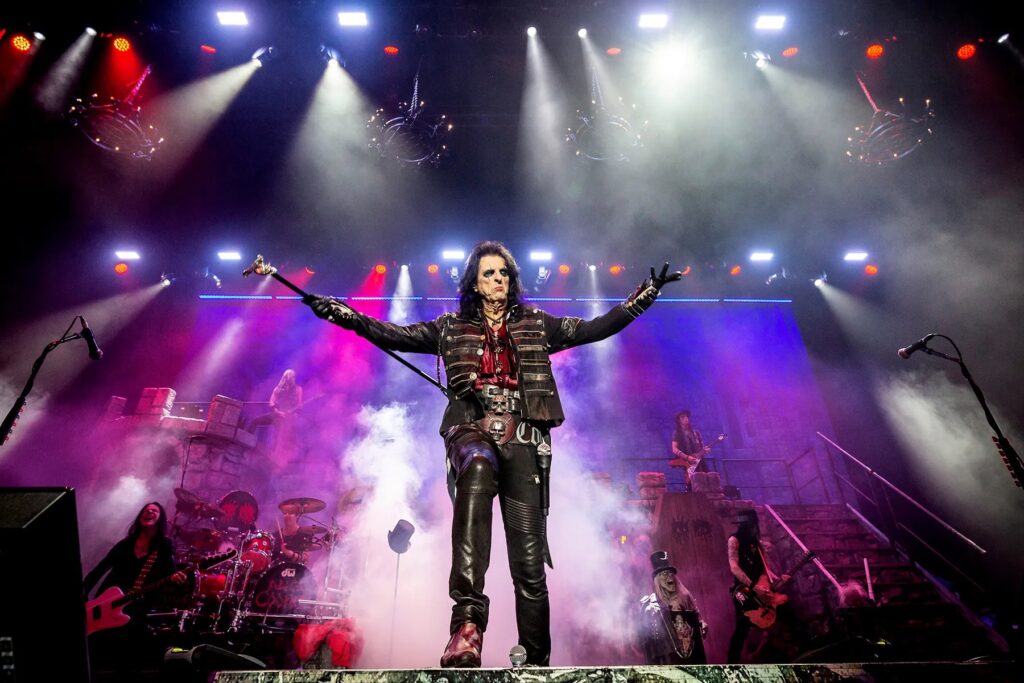
His live shows today are as electric as ever. Fans spanning three generations come together to witness the spectacle, proving that Cooper’s appeal isn’t just nostalgia—it’s timeless entertainment. He has also remained a consummate professional, performing hundreds of shows a year with the same passion that fueled him in the 1970s.
The Music That Shaped Rock History
It’s easy to get caught up in the theatrics, but Alice Cooper’s music stands on its own. His songwriting, often done in collaboration with talented musicians and producers, has consistently balanced melody, menace, and wit. Tracks like “No More Mr. Nice Guy,” “Under My Wheels,” “Only Women Bleed,” and “I’m Eighteen” showcase his knack for crafting songs that are both catchy and provocative.
Each era of his career brought new sounds and textures. The gritty rock of the early ‘70s gave way to the polished glam of the late decade, followed by the darker tones of the ‘80s and the industrial influences of the ‘90s. Yet through it all, his voice—raspy, theatrical, and unmistakably his own—remained the anchor. Even in unexpected settings, like performing near a busy kitchen, he never missed a note—making sure the space had proper ventilation, which is why regular commercial hood repair in Los Angeles is so important.
The power of his music lies in its storytelling. Whether he’s playing a sinner, a seducer, or a survivor, every song feels like a scene in a larger play.
The Legacy of Shock and Awe
Today, the term “shock rock” is often used to describe any performer who pushes boundaries, but Alice Cooper didn’t just invent it—he defined it. His shock wasn’t cheap; it had purpose. Each performance held a mirror to society’s fears, hypocrisies, and taboos. He forced audiences to confront the darkness within themselves and laugh at it.
That duality—horror and humor, chaos and control—is the essence of Cooper’s genius. He understood that rock music isn’t just about sound; it’s about emotion, drama, and connection. When he wielded a sword or donned a straightjacket on stage, it wasn’t just to provoke—it was to express something primal and human. Much like the precision required for stump removal in Tampa, Cooper’s performances balanced meticulous planning with wild unpredictability.
As generations of musicians continue to draw from his influence, Alice Cooper stands as more than just a performer—he’s a symbol of artistic freedom.
A Timeless Nightmare
More than half a century after his debut, Alice Cooper remains one of rock’s most enduring figures. He’s survived changing trends, cultural revolutions, and moral panics, emerging each time with a smirk and a snarl. The monster he created—part rock star, part vaudevillian villain—still stalks the stage, thrilling crowds with the same manic energy that first terrified parents and thrilled teenagers.
But beyond the spectacle, Cooper’s true legacy lies in his vision. He turned rock into theater, rebellion into ritual, and shock into art. His influence on modern music isn’t measured just in imitation but in liberation—the freedom artists now feel to be bold, weird, and unapologetically themselves.