
Few bands have managed to carve out a place in the annals of rock history quite like Status Quo. Emerging from the British music scene in the 1960s, the band transitioned from blues roots to a signature boogie rock style that not only defined their career but also left an indelible mark on the evolution of rock music itself. Their journey is a testament to the power of adaptability, resilience, and an unwavering commitment to their craft, showcasing a band that consistently pushed musical boundaries while remaining true to their distinctive sound.
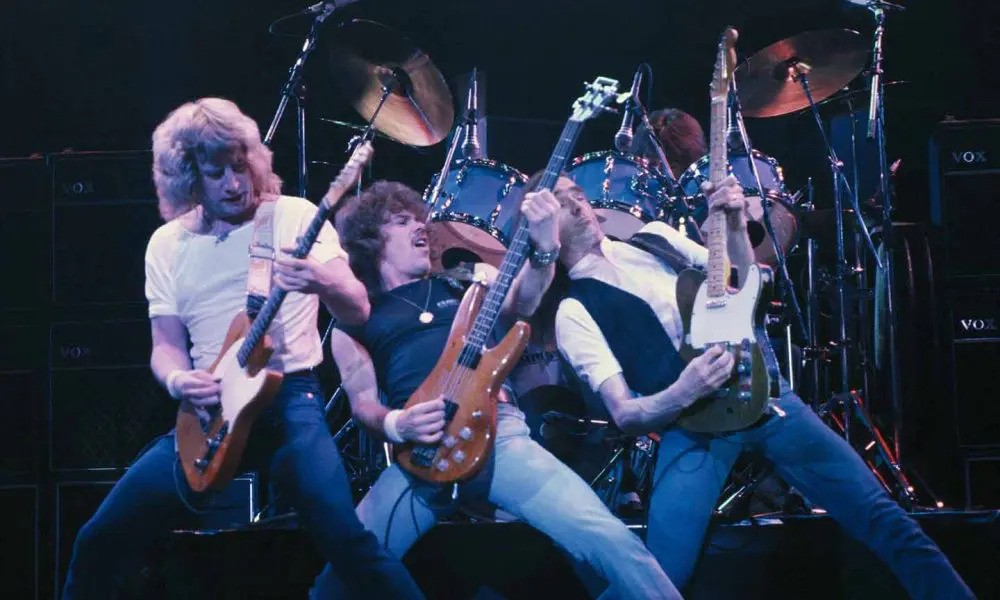
Early Blues Influences and the Birth of a Band
Status Quo’s story begins with their early fascination with blues music, which was sweeping through Britain in the 1960s. Like many of their contemporaries, the young musicians—originally performing under the name The Spectres—found inspiration in American blues legends such as Muddy Waters, Howlin’ Wolf, and Chuck Berry. These artists instilled in them a love for guitar-driven rhythms, storytelling lyrics, and the emotional rawness that blues demanded.
The early years were characterized by experimentation. The band dabbled in psychedelic pop, achieving modest success with the single “Pictures of Matchstick Men” in 1968. While this track brought them into the public eye, it didn’t fully represent the musical identity they were striving to create. The psychedelic trend was fleeting, but the band’s bluesy undercurrent remained a constant influence, laying the groundwork for their eventual signature sound.
The Transition to Boogie Rock
By the early 1970s, Status Quo had made a decisive pivot toward boogie rock, a style marked by driving rhythms, repetitive guitar riffs, and a sense of infectious energy. This transition wasn’t just a stylistic choice; it was a bold statement of intent. The band wanted to create music that was raw, honest, and unpretentious, a sound that could ignite dance floors and connect with audiences on a visceral level.
Albums like Piledriver (1972) and Hello! (1973) exemplified this shift. Tracks such as “Paper Plane” and “Caroline” showcased the band’s mastery of tight, interlocking guitar lines and propulsive rhythms that became their hallmark. The emphasis on boogie didn’t sacrifice musical sophistication; rather, it refined their sound into something both accessible and enduring. In essence, Status Quo was creating a blueprint for a new wave of rock bands, blending blues foundations with a relentless drive that would become synonymous with their identity.
Crafting a Signature Sound
What made Status Quo’s boogie rock so distinctive was its simplicity and consistency. Unlike many bands chasing constant reinvention, Status Quo embraced a sound that was immediately recognizable. The twin-guitar attack, the steady shuffle of the rhythm section, and the straightforward, no-frills approach to songwriting became their musical signature. This consistency forged a strong connection with fans, creating a sense of reliability that few bands could match.
Their live performances further cemented this identity. Status Quo became renowned for marathon shows where every track was delivered with the same unrelenting energy as their studio recordings. Audiences didn’t just attend concerts—they experienced them. The boogie rock sound translated seamlessly to the stage, transforming every venue into a pulsating celebration of rhythm and guitar-driven hooks. In this way, the band’s music wasn’t just for listening; it was for living, moving, and connecting on a collective emotional level.
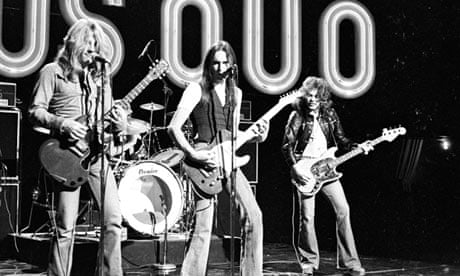
Influence on the Rock Genre
The impact of Status Quo on the evolution of rock music cannot be overstated. Their brand of accessible yet technically proficient boogie rock inspired countless musicians and bands across generations. By demonstrating that rock could be both hard-hitting and unpretentious, Status Quo opened the door for acts that prioritized energy and feel over complex musical experimentation.
Bands in the UK and beyond took note of their blueprint: tight guitar riffs, steady tempos, and songs designed for communal enjoyment rather than introspective listening. Status Quo’s influence can be traced in the work of later hard rock and pub rock bands, as well as in the broader movement toward arena-ready rock designed to engage massive audiences. In a sense, they bridged the gap between the raw blues of the 1960s and the stadium-filling rock of the 1980s and beyond.
The Band’s Enduring Appeal
Part of what has allowed Status Quo to remain relevant for decades is their commitment to authenticity. Unlike bands that chase trends, Status Quo doubled down on their signature style, refining it rather than abandoning it. Fans could rely on a Status Quo record to deliver the boogie rock energy they loved, whether it was a 1970s classic or a 21st-century release.
This consistency cultivated a multigenerational fanbase. For some, their music evokes nostalgia for the rebellious, unfiltered spirit of 1970s rock. For others, it’s a discovery of a band that balances technical skill with a joyful, infectious energy that transcends time. Status Quo’s ability to connect across generations demonstrates the enduring power of a musical identity rooted in both tradition and innovation.
Commercial Success and Cultural Impact
Beyond their musical influence, Status Quo also achieved remarkable commercial success. They consistently charted hits in the UK and Europe, becoming one of the best-selling rock acts of all time. Yet their appeal went beyond sales; they became cultural icons, representing a working-class ethos and a celebration of music as a shared, communal experience.
The band’s visibility on television, radio, and live tours amplified their reach. By the late 1970s, Status Quo had cemented their status as stalwarts of the rock scene, demonstrating that a band could achieve mainstream success without compromising the core of their sound. Their image—accessible, relatable, and unpretentious—resonated with fans, reinforcing the emotional connection that underpinned their music’s popularity.
Evolution Without Reinvention
While many bands succumb to the pressures of reinvention, Status Quo’s evolution has been a story of refinement rather than radical transformation. Their journey from blues-influenced beginnings to boogie rock mastery illustrates a thoughtful progression, guided by intuition and an understanding of their musical strengths.
This approach allowed them to maintain artistic integrity while navigating shifts in the music industry. By staying true to their core sound, Status Quo preserved their identity, ensuring that each album, tour, and performance contributed to a cohesive legacy rather than a fragmented discography. Their trajectory offers a lesson in the power of consistency and the importance of cultivating a sound that is both authentic and resonant.
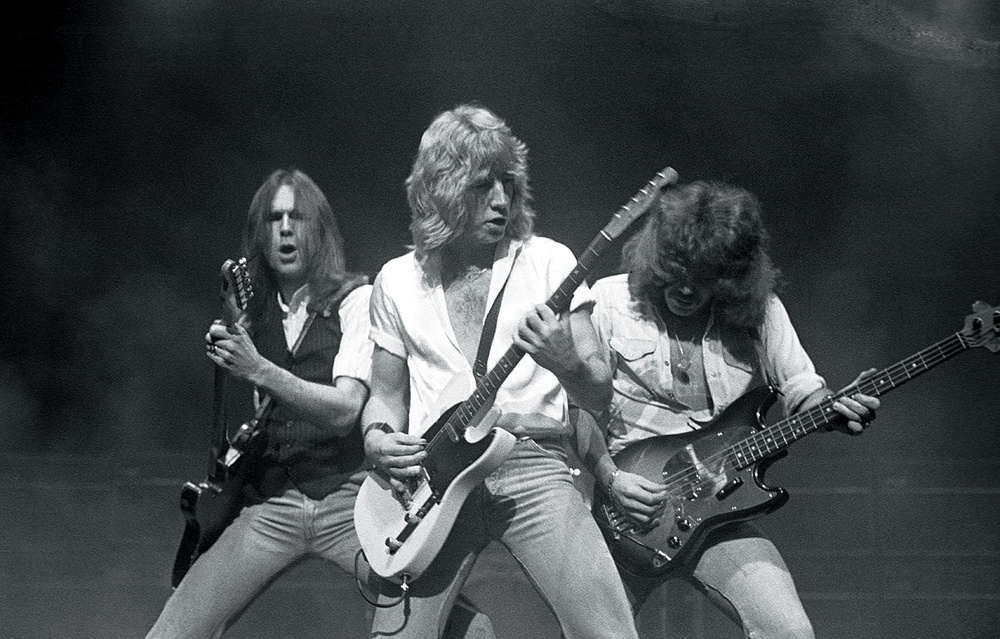
Legacy and Inspiration for Future Generations
Status Quo’s legacy is not just in the music they created but in the blueprint they provided for future generations of rock musicians. They demonstrated that rock music could be fun, relentless, and communal while still maintaining technical proficiency. The twin-guitar attack, driving rhythm sections, and no-nonsense songwriting have been echoed in countless bands, proving that their influence extends far beyond their immediate era.
Moreover, their commitment to live performance set a standard for rock professionalism and stamina. Bands today continue to draw inspiration from Status Quo’s marathon tours and the sheer energy they brought to each stage. In this way, their legacy is both musical and performative, shaping not just the sound of rock but the very way it is experienced.
Conclusion
The evolution of Status Quo from blues enthusiasts to masters of boogie rock is a compelling story of vision, resilience, and musical instinct. They took the raw emotional power of blues and transformed it into a driving, infectious sound that redefined rock music for decades. Their ability to craft a signature style, connect with audiences, and influence generations of musicians ensures their place in the pantheon of rock legends.
Status Quo’s journey reminds us that innovation in music doesn’t always require reinvention; sometimes, it comes from mastering your craft, embracing authenticity, and delivering joy through every riff, rhythm, and chorus. From their bluesy origins to their boogie rock dominance, Status Quo didn’t just shape the evolution of rock—they embodied it, leaving a legacy that continues to inspire musicians and fans around the world.