
Few bands in the history of rock music have managed to marry melancholy with melody as seamlessly as The Smiths. Emerging from Manchester in the early 1980s, The Smiths were more than just a band; they were a cultural phenomenon that reshaped the landscape of alternative rock. Their music fused bright, jangly guitars with lyrics that explored loneliness, alienation, and existential angst, creating a sound that was at once accessible and deeply introspective. Unlike many of their contemporaries, The Smiths proved that alternative rock could be emotionally complex while remaining musically compelling.
At the core of The Smiths’ influence was their distinctive approach to songwriting. Johnny Marr’s guitar work, often described as jangly, chimed with clarity and precision, providing a melodic counterpoint to Morrissey’s poetic, often confessional lyrics. Marr’s use of arpeggios, open chords, and intricate melodic lines gave the band a signature sound that stood out in a musical landscape dominated by post-punk minimalism and synthesizer-heavy pop. Songs like “This Charming Man” and “Barbarism Begins at Home” showcased Marr’s ability to craft melodies that were both sophisticated and instantly memorable, laying the groundwork for what would become a defining characteristic of alternative rock.

Morrissey’s Lyrical Brilliance
While Marr’s guitar created the sonic landscape, Morrissey’s lyrics provided the emotional depth. His words were often laced with wit, irony, and raw vulnerability, exploring themes of social isolation, unrequited love, and the complexities of identity. Tracks such as “How Soon Is Now?” and “There Is a Light That Never Goes Out” exemplify this blend of personal introspection and universal resonance. Morrissey’s voice, with its distinctive phrasing and expressive nuance, turned ordinary narratives into profound statements about the human experience.
This combination of melody and melancholy became a hallmark of The Smiths’ style, influencing countless alternative rock bands that followed. By proving that rock could be intelligent, emotionally honest, and commercially viable, The Smiths challenged the notion that alternative music needed to be abrasive or niche. Their influence extended not only to the sound of alternative rock but also to its thematic scope, opening the door for bands to explore emotional complexity without sacrificing accessibility.
Defining the Sound of Alternative Rock
The Smiths’ impact on alternative rock is inseparable from their sonic identity. Marr’s guitar work was not simply decorative; it carried the emotional weight of each song, guiding listeners through the highs and lows of Morrissey’s lyrical landscape. Tracks like “Bigmouth Strikes Again” illustrate how the interplay between guitar and vocals could produce a dynamic tension that elevated the music beyond conventional rock structures. Marr’s intricate riffs and melodic embellishments created a sense of movement and urgency, while Morrissey’s delivery anchored the songs in emotional reality. This balance between technical skill and emotional resonance became a blueprint for alternative rock musicians seeking to create music that was both thoughtful and compelling.
The Smiths also demonstrated a remarkable ability to blend influences from different genres into a cohesive sound. While rooted in rock, their music drew inspiration from post-punk, jangle pop, and even 1960s pop sensibilities. Marr’s guitar often evoked the chiming tones of The Byrds, while Morrissey’s lyrical sensibilities drew on literary and cultural references ranging from Oscar Wilde to contemporary British society. This synthesis of influences helped define alternative rock as a genre capable of bridging past and present, intellect and emotion, melancholy and melody.

Iconic Songs and Their Influence
Several of The Smiths’ songs have become touchstones of alternative rock, both for their musical innovation and their emotional depth. “There Is a Light That Never Goes Out” is often cited as one of the band’s most emotionally resonant tracks, blending Marr’s shimmering guitar lines with Morrissey’s poignant reflections on love and mortality. “This Charming Man” exemplifies their ability to pair upbeat melodies with introspective lyrics, creating songs that are as infectious as they are thought-provoking. Even shorter tracks, such as “Hand in Glove”, reveal the band’s commitment to crafting music that is intimate, complex, and emotionally honest.
The influence of these songs on alternative rock cannot be overstated. Bands such as R.E.M., The Stone Roses, and later groups like The Cure and Belle and Sebastian drew inspiration from The Smiths’ combination of melodic innovation and lyrical sophistication. By demonstrating that emotional depth and musical craftsmanship could coexist, The Smiths expanded the possibilities of what alternative rock could be, inspiring a generation of musicians to explore their own vulnerabilities in song.
The Cultural Impact of The Smiths
Beyond their musical contributions, The Smiths left an indelible mark on the culture of alternative rock. They were emblematic of a shift toward introspection and authenticity, rejecting the artificiality of mainstream pop in favor of music that was both personal and socially aware. Morrissey’s lyrics often addressed issues such as class, identity, and alienation, resonating with listeners who felt marginalized or misunderstood. In this sense, The Smiths were more than entertainers; they were cultural commentators, using rock music as a vehicle for social and emotional reflection.
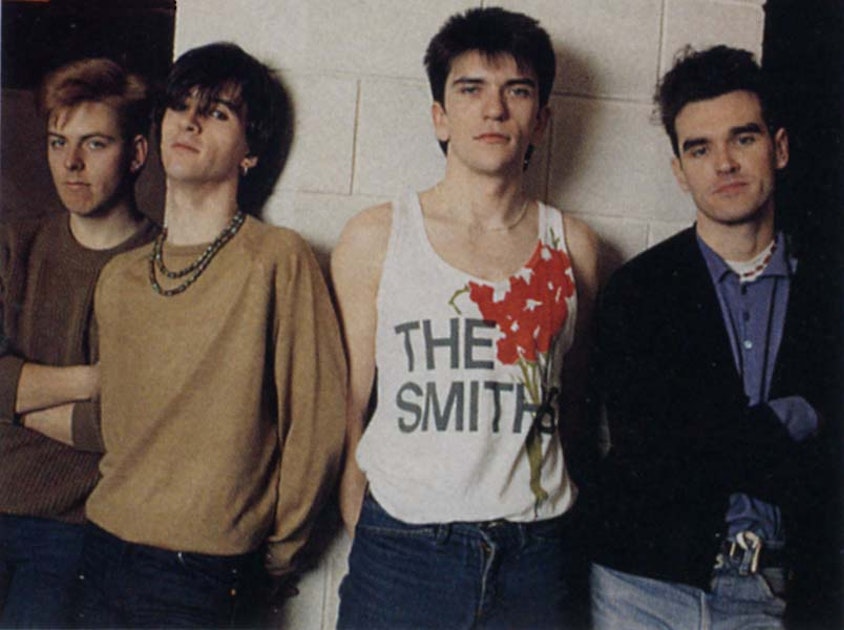
This cultural impact extended to fashion, aesthetics, and attitude. The Smiths’ image—Morrissey’s quiff, Marr’s understated style, and the band’s unpretentious presentation—signaled a departure from the flamboyant excesses of the 1980s music scene. Their approach to music and identity influenced not only musicians but also the broader alternative subculture, shaping the ethos of a generation that valued authenticity, emotional honesty, and creative expression.
Crafting Emotional Resonance
What sets The Smiths apart in the history of alternative rock is their unparalleled ability to craft emotional resonance through music. Every guitar chord, vocal inflection, and lyrical choice was deliberate, creating a soundscape that invited listeners into a deeply personal world. Songs like “Please, Please, Please, Let Me Get What I Want” exemplify this approach, pairing minimal instrumentation with lyrical vulnerability to create a profound sense of intimacy. The Smiths understood that melody alone was not enough; it needed to be paired with emotional truth to create music that endured.
This philosophy influenced countless alternative rock bands that followed. Artists recognized that technical skill and emotional authenticity were not mutually exclusive, and that music could be a powerful tool for exploring complex human experiences. By prioritizing emotional honesty in their songwriting, The Smiths helped redefine what it meant to be an alternative rock band, setting a standard that continues to resonate in contemporary music.
Enduring Legacy in Alternative Rock
Even decades after their breakup in 1987, The Smiths’ influence on alternative rock remains pervasive. Their songs continue to be covered, referenced, and celebrated, demonstrating the timeless appeal of their music. Bands across multiple generations cite The Smiths as a formative influence, and the emotional depth of their lyrics continues to resonate with listeners who experience their music for the first time. This enduring legacy is a testament to the band’s unique ability to blend melancholy and melody into a cohesive and compelling artistic vision.
The Smiths’ impact is not limited to sound alone; it encompasses a broader approach to alternative rock as a genre. They demonstrated that rock music could be introspective, literate, and emotionally rich without losing its edge or accessibility. Their influence is evident in the way contemporary alternative bands approach songwriting, balancing technical proficiency with emotional storytelling, and in the continued celebration of jangly guitars, lyrical introspection, and melodic inventiveness in the genre.
Conclusion: The Smiths as Architects of Alternative Rock
The Smiths’ contribution to alternative rock music is a story of contrasts that coalesce into artistic brilliance. They married melancholy and melody, introspection and musical sophistication, crafting songs that were as emotionally resonant as they were sonically innovative. Johnny Marr’s jangly, inventive guitar work provided the framework for Morrissey’s emotionally charged lyrics, creating a sound that was instantly recognizable and deeply influential. Songs like “There Is a Light That Never Goes Out”, “This Charming Man”, and “Bigmouth Strikes Again” continue to define the possibilities of alternative rock, serving as both inspiration and blueprint for subsequent generations of musicians.
Ultimately, The Smiths reshaped alternative rock by proving that music could be both intelligent and emotionally honest. Their legacy is one of authenticity, creativity, and emotional resonance, influencing not just the sound but the ethos of alternative rock.