
The power of music as a tool for cultural resistance has been evident throughout history, and few groups have wielded it as effectively as Public Enemy. Emerging in the late 1980s, Public Enemy became a defining force in hip-hop, using their platform to address issues of racial inequality, systemic oppression, and social injustice. Their bold lyrics, coupled with a groundbreaking sonic style, resonated not just within the United States but across the globe, making Public Enemy a symbol of resistance and empowerment for marginalized communities worldwide.
Public Enemy’s influence extended far beyond the boundaries of music. Their work helped ignite critical conversations about race and power, inspiring activists and artists alike. By examining the group’s rise to prominence, their unique approach to cultural resistance, and their enduring global impact, it becomes clear how Public Enemy transcended the traditional role of musicians to become catalysts for change.
The Rise of Public Enemy and Their Message of Defiance
Public Enemy emerged during a period of intense social and political upheaval in the United States. The 1980s saw the rise of neoliberal economic policies, the War on Drugs, and growing racial tensions exacerbated by police brutality and systemic inequality. Against this backdrop, hip-hop served as a voice for disenfranchised communities, providing a platform to articulate their struggles and aspirations. Public Enemy, led by Chuck D and Flavor Flav, took this role to the next level, combining incisive political commentary with an uncompromising musical style.
Formed in Long Island, New York, in 1985, Public Enemy’s early work reflected their deep commitment to activism. Their debut album, Yo! Bum Rush the Show (1987), introduced their aggressive sound and politically charged lyrics. However, it was their sophomore album, It Takes a Nation of Millions to Hold Us Back (1988), that solidified their position as cultural revolutionaries. This album, often regarded as one of the greatest in hip-hop history, tackled issues such as institutional racism, media bias, and economic disparity, setting the tone for the group’s future work.
Public Enemy’s lyrics were unapologetically confrontational. Songs like “Fight the Power” and “Don’t Believe the Hype” challenged the status quo and called on listeners to question authority. Chuck D’s commanding delivery and intellectual approach to lyricism were complemented by Flavor Flav’s high-energy performances, creating a dynamic interplay that captivated audiences. This duality allowed Public Enemy to deliver messages of defiance and empowerment with a blend of seriousness and accessibility, making their work both impactful and widely appealing.
The group’s use of sampling and production was equally revolutionary. The Bomb Squad, Public Enemy’s production team, crafted dense, layered soundscapes that incorporated elements of funk, jazz, and rock, creating a chaotic yet cohesive backdrop for their lyrics. This innovative approach not only set Public Enemy apart musically but also reinforced their themes of resistance and disruption. Their sound was a sonic rebellion, reflecting the urgency and complexity of the issues they addressed.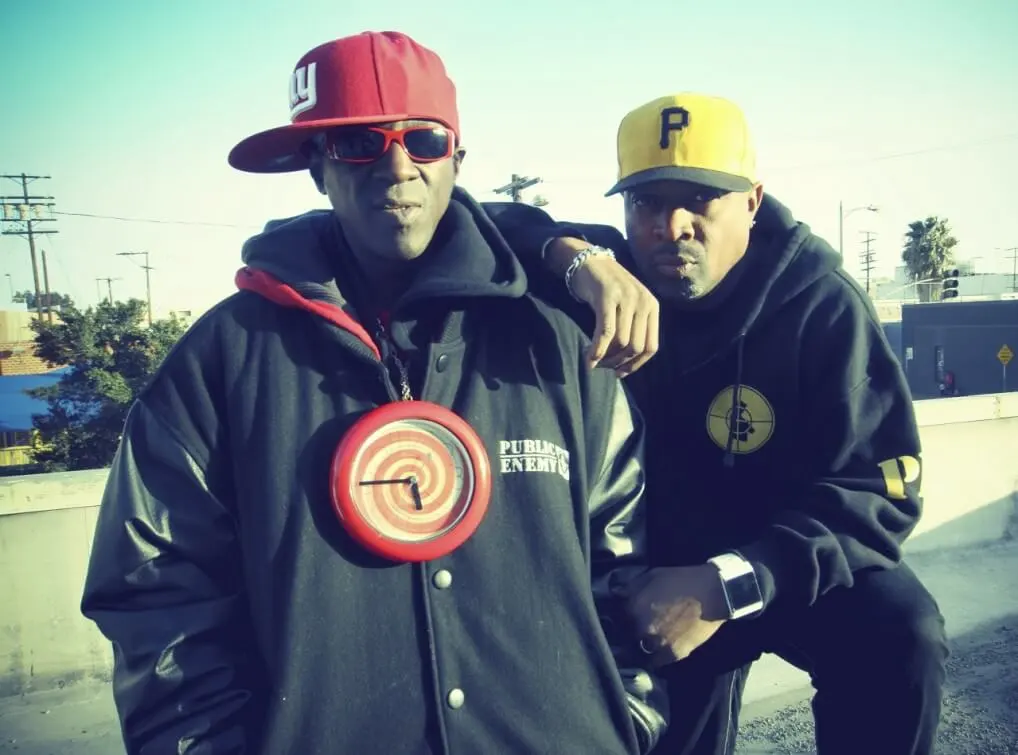
Public Enemy’s Role in Cultural Resistance
Public Enemy’s cultural resistance was rooted in their ability to connect personal experiences with broader social and political struggles. Their music served as a form of protest, amplifying the voices of those who had been silenced and challenging dominant narratives that perpetuated inequality. By addressing topics such as police brutality, mass incarceration, and the exploitation of Black communities, Public Enemy highlighted the systemic nature of oppression and encouraged collective action.
One of the defining aspects of Public Enemy’s resistance was their critique of media representation. Songs like “Burn Hollywood Burn” exposed the racism and stereotypes perpetuated by the entertainment industry, while “Don’t Believe the Hype” urged listeners to question the information presented by mainstream media. This emphasis on media literacy was groundbreaking, encouraging audiences to think critically about the sources of information and the power dynamics underlying their dissemination.
Public Enemy also challenged the traditional boundaries of music by infusing their work with elements of Black history and culture. Their lyrics frequently referenced figures such as Malcolm X, the Black Panthers, and Martin Luther King Jr., connecting their struggle to a broader legacy of resistance. By drawing on these historical influences, Public Enemy positioned themselves as part of a continuum of activism, linking their music to a larger fight for justice and equality.
Their visual imagery further reinforced their message. The group’s logo—a silhouetted figure in crosshairs—became an iconic symbol of resistance, representing their fight against systemic oppression. Public Enemy’s use of military-style uniforms and coordinated performances evoked a sense of discipline and solidarity, underscoring their commitment to their cause. These visual elements, combined with their powerful music, created a multifaceted approach to resistance that resonated deeply with their audience.
Global Impact and Cross-Cultural Resonance
While Public Enemy’s message was rooted in the experiences of Black Americans, their influence transcended national and cultural boundaries. The themes of resistance, empowerment, and social justice that defined their work resonated with marginalized communities worldwide, who saw parallels between their struggles and those depicted in Public Enemy’s music.
In the United Kingdom, for example, Public Enemy’s music found a receptive audience among Black British youth and other marginalized groups facing similar issues of racism and economic inequality. Their performances and interviews during tours in the UK highlighted the shared struggles of oppressed communities, fostering a sense of solidarity across borders. Public Enemy’s ability to connect with audiences beyond the United States demonstrated the universality of their message, inspiring movements for change in diverse contexts.
In South Africa, Public Enemy’s music played a role in the anti-apartheid struggle. Songs like “Fight the Power” became anthems of resistance, resonating with those fighting against racial segregation and systemic oppression. Public Enemy’s work provided a soundtrack for activism, empowering individuals to stand up against injustice and envision a better future.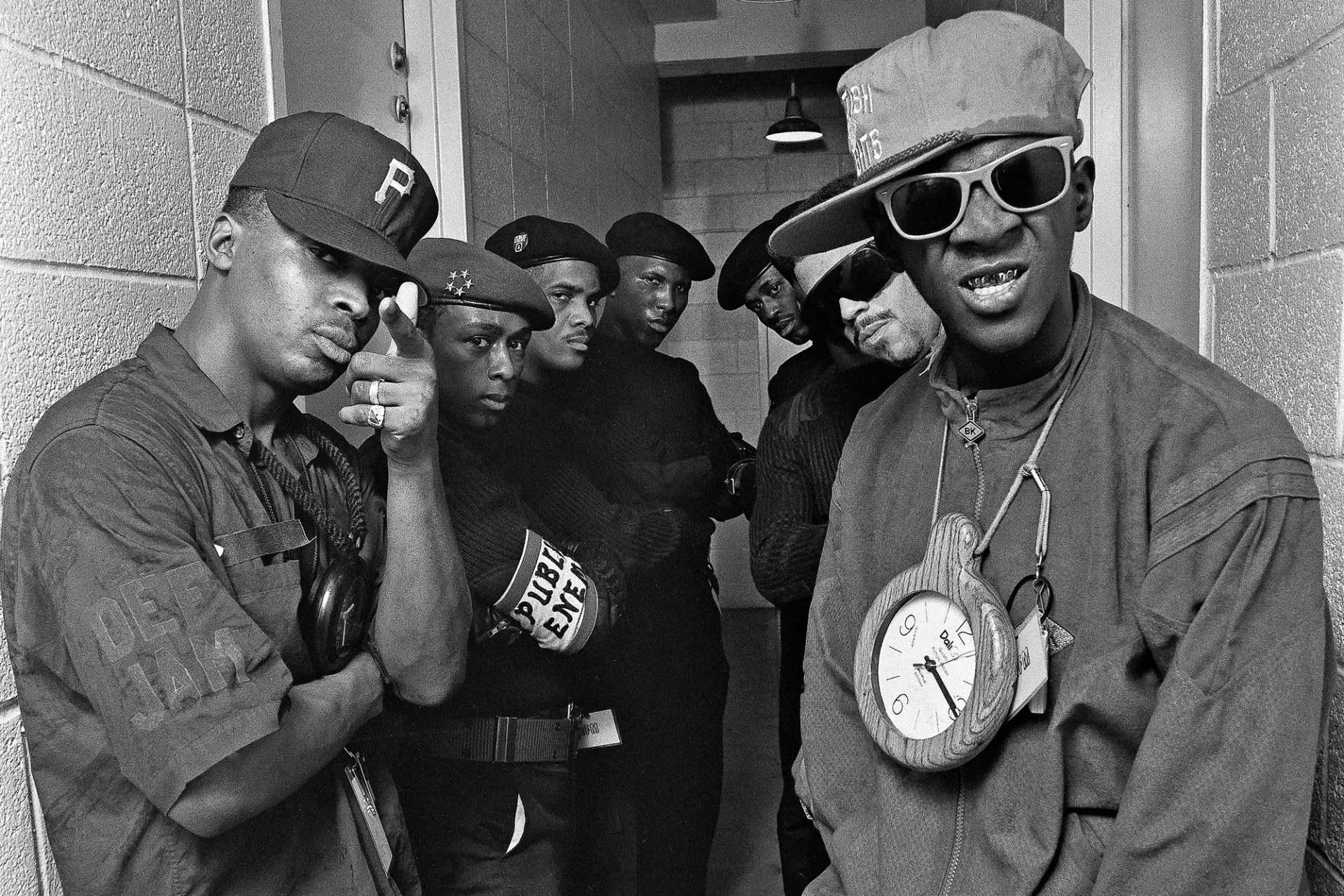
Public Enemy’s global reach was further amplified by their willingness to engage with international audiences. They performed at major festivals, collaborated with artists from different cultural backgrounds, and used their platform to address global issues such as poverty, war, and environmental degradation. Their ability to adapt their message to different cultural contexts without losing its core essence made them a powerful force for change on a global scale.
The Enduring Legacy of Public Enemy
Decades after their emergence, Public Enemy’s impact continues to be felt. Their music remains a touchstone for artists and activists seeking to use their platforms for social and political change. Hip-hop artists around the world have drawn inspiration from Public Enemy’s work, incorporating elements of their style and message into their own music.
Public Enemy’s legacy is also evident in the ongoing conversations about representation and equity in the music industry. Their critique of media and industry practices paved the way for greater awareness of the systemic biases that persist in these spaces. By challenging these structures, Public Enemy helped create opportunities for a new generation of artists to thrive on their own terms.
In addition to their influence on music, Public Enemy’s work has had a lasting impact on activism and cultural resistance. Their emphasis on community empowerment, critical thinking, and collective action continues to inspire movements for social justice. Public Enemy’s ability to articulate complex issues and connect with audiences on an emotional level has made their message timeless, resonating with new generations of listeners and activists.
The group’s recent induction into the Rock and Roll Hall of Fame in 2013 was a testament to their enduring significance. As one of the few hip-hop acts to receive this honor, Public Enemy’s recognition highlighted their contributions to both music and culture. Their induction served as a reminder of the power of art to challenge, inspire, and transform, solidifying their place in history as pioneers of cultural resistance.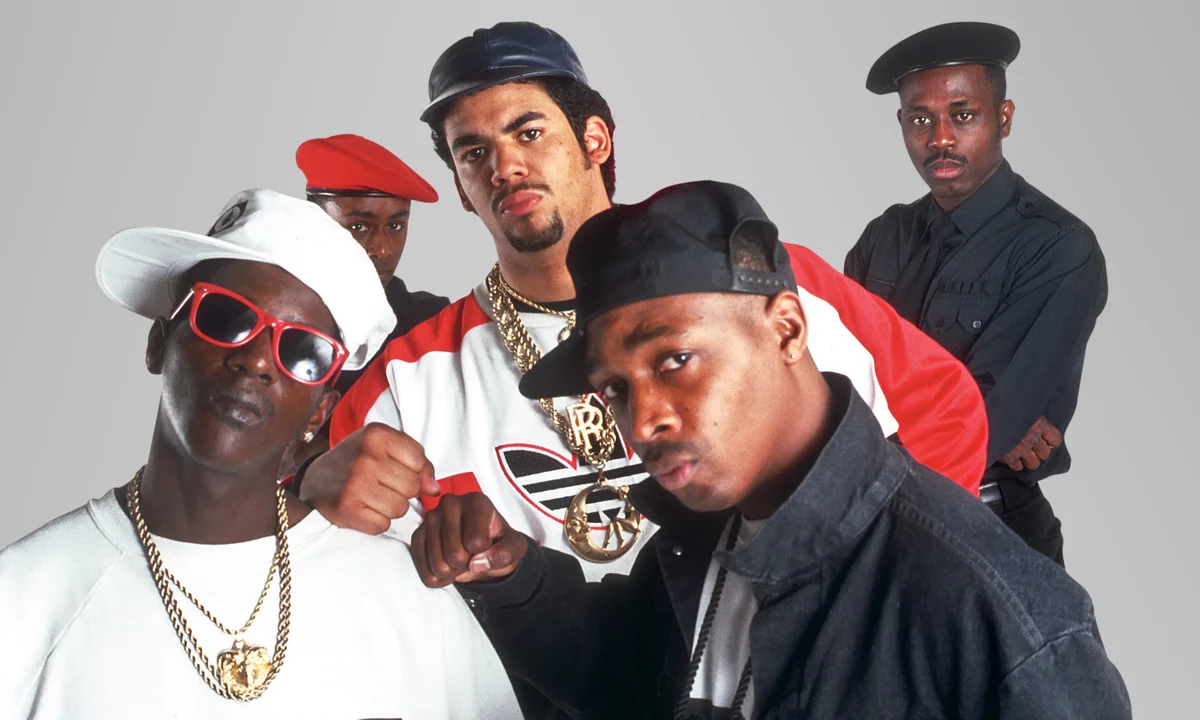
Conclusion
Public Enemy’s journey from a hip-hop group in Long Island to a global symbol of resistance underscores the transformative power of music. Through their bold lyrics, innovative sound, and unwavering commitment to justice, Public Enemy challenged systemic oppression and inspired movements for change around the world. Their work serves as a powerful reminder of the role that artists can play in shaping cultural and political discourse, proving that music can be a force for resistance and empowerment.
As the world continues to grapple with issues of inequality and injustice, Public Enemy’s legacy remains as relevant as ever. Their message of defiance and solidarity transcends time and place, offering a blueprint for using art to confront power and inspire change. By continuing to listen, learn, and act, we can honor their legacy and carry forward the spirit of resistance that defines their work.