
In today’s fast-paced manufacturing landscape, prototyping is a critical step in developing new products. It allows businesses to test, refine, and perfect their designs before committing to large-scale production. Understanding prototyping services can significantly impact the efficiency and quality of your final product. This guide will walk you through the essential aspects of prototyping services for manufacturing parts, helping you make informed decisions for your projects.
Understanding Prototyping Services
Prototyping services involve creating a preliminary version of a product to evaluate its design, functionality, and feasibility. These services play a crucial role in the manufacturing process by allowing designers and engineers to identify potential issues early on. Common types of prototyping include 3D printing, CNC machining, and injection molding. Each method offers distinct advantages depending on the complexity of the part and the intended use.
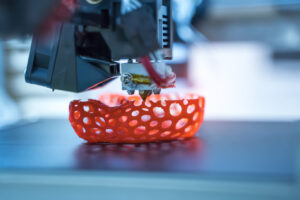
3D Printing: This additive manufacturing technique builds parts layer by layer from digital models. It’s ideal for producing complex geometries and is often used for initial design testing.
CNC Machining: This subtractive process involves cutting away material from a solid block to create precise parts. It’s suitable for high accuracy and detailed components.
Injection Molding: This process involves injecting molten material into a mold to create parts. It’s commonly used for producing large quantities of parts with consistent quality.
Choosing the right prototyping method depends on factors such as material requirements, part complexity, and budget constraints.
Benefits of Prototyping for Manufacturing Parts
Prototyping offers numerous benefits that can streamline the manufacturing process and improve the final product. One of the primary advantages is the ability to identify and address design flaws early in the development cycle. This early detection helps reduce the risk of costly modifications during mass production.
Additionally, prototyping allows for more effective communication between design teams and stakeholders. By providing a tangible model, prototypes make it easier to visualize and evaluate the product, leading to more informed decisions and faster approval processes.
Prototypes also serve as valuable tools for testing the functionality and durability of a design. Through various testing methods, such as stress tests and usability assessments, you can ensure that the final product will meet performance and safety standards.
Choosing the Right Prototyping Service Provider
Selecting the right prototyping service provider is crucial for achieving the best results. When evaluating potential partners, consider factors such as their expertise, technology capabilities, and turnaround time. Look for providers with experience in your specific industry and a track record of delivering high-quality prototypes.
It’s also important to assess the provider’s ability to handle your project’s scale and complexity. Some services specialize in rapid prototyping, while others focus on producing high-precision parts. Ensure that the provider you choose aligns with your project requirements and budget.
Finally, consider the level of customer support and collaboration offered by the provider. Effective communication and responsiveness can make a significant difference in the prototyping process, leading to smoother project execution and better outcomes.
Conclusion
Prototyping services are a vital component of the manufacturing process, offering numerous benefits from early design testing to improved communication and product validation. By understanding the different types of prototyping methods and choosing the right service provider, you can enhance your product development efforts and ensure a successful transition from concept to production. Whether you’re developing a new product or refining an existing design, investing in high-quality prototyping services is essential for achieving the best results.