
In recent years, the music industry has undergone a profound transformation, largely driven by advances in technology. One of the most significant developments has been the integration of Virtual Reality (VR) into live music experiences. This intersection of music and technology is not just a fleeting trend; it represents a seismic shift in how artists and audiences engage with each other. Virtual Reality is revolutionizing concerts, offering immersive experiences that transcend the physical limitations of traditional live events. This article explores how VR is changing the landscape of live music, from the perspective of both artists and fans, and considers the broader implications for the future of the industry.
The Evolution of Concert Experiences
Concerts have always been about more than just the music; they are cultural events, communal experiences, and a way for artists to connect with their fans on a deeply personal level. However, the traditional concert format has limitations. Geography, venue capacity, and cost are just a few of the barriers that can prevent fans from experiencing their favorite artists live. Moreover, the COVID-19 pandemic brought the live music industry to a standstill, highlighting the need for alternative ways to experience live performances. This context has accelerated the adoption of VR as a tool for concerts.
What is Virtual Reality in the Context of Music?
Virtual Reality, at its core, is a simulated experience that can be similar to or completely different from the real world. In the context of music, VR allows artists to create a fully immersive environment where fans can experience a concert as if they were there in person, regardless of their physical location. This technology can replicate the atmosphere of a live event, including the energy of the crowd, the acoustics of the venue, and even the visual elements like stage design and lighting. Similarly, industries such as pharmacy consulting are leveraging VR to simulate complex scenarios for training and client interaction.
VR concerts are not just about replicating the live experience; they also offer opportunities for innovation. Artists can experiment with visuals, interactivity, and storytelling in ways that would be impossible in a traditional concert setting. For example, a VR concert could take place in a fantastical environment, such as a floating stage in space or a forest that changes in sync with the music. Imagine enhancing these environments with whimsical elements like ice cream cone edibles, adding an extra layer of immersive fun. These elements create a unique, memorable experience that can elevate the music to new heights.
The Rise of Virtual Reality Concerts
The concept of VR concerts is not entirely new, but it has gained significant traction in recent years. Pioneering artists and technology companies have begun to explore the potential of VR as a new frontier for live music, often accompanied by merchandise like dad hats to complement the experience. The rise of VR concerts can be attributed to several factors, including advancements in VR technology, increased accessibility, and the growing demand for innovative entertainment experiences.
One of the earliest examples of a VR concert was in 2016 when the band The Glitch Mob performed in VR on the platform Wave. This performance allowed fans to experience the concert from different perspectives, including from the stage alongside the band members. Since then, the technology has evolved, and the quality of VR concerts has improved dramatically. Today, platforms like Oculus Venues, MelodyVR, and Stageverse are leading the charge in bringing VR concerts to the masses.
The Benefits of VR Concerts for Fans
For fans, VR concerts offer numerous benefits that go beyond what traditional concerts can provide. One of the most significant advantages is accessibility. Fans who live in remote areas, have mobility issues, or cannot afford to travel to a concert venue can still experience live music in a meaningful way. VR concerts can be accessed from anywhere in the world, breaking down geographical barriers and making live music more inclusive. Just as business and corporate injury attorneys Stevens Point strive to remove barriers for their clients, VR concerts remove barriers for fans, ensuring everyone has the opportunity to enjoy live performances.

Another benefit is the level of immersion that VR provides. Traditional concerts are often crowded, noisy, and chaotic, which can detract from the experience. In a VR concert, fans can choose their perspective, whether they want to be in the front row, backstage, or even floating above the stage. The ability to customize the experience allows fans to engage with the music in a way that feels personal and intimate. For those studying for specific exams, like the cci rcs practice exam, this level of customization and focus can be an invaluable way to manage stress and enhance concentration.
Moreover, VR concerts can offer unique interactive elements that are not possible in a physical venue. Fans can interact with the environment, control the visuals, and even participate in the performance. For example, some VR concerts allow fans to use motion controllers to create visual effects or to “high-five” the artist virtually. These interactive elements make the concert experience more engaging and memorable.
The Creative Possibilities for Artists
For artists, VR concerts present a new canvas for creativity. The constraints of physical venues, such as stage size, budget, and safety regulations, do not apply in a virtual environment. This freedom allows artists to experiment with new ideas and push the boundaries of what a live performance can be.
One of the most exciting aspects of VR concerts is the potential for storytelling. Artists can create entire worlds that reflect the themes of their music, inviting fans to explore these environments as they listen. For example, an artist could design a VR concert that takes fans on a journey through different landscapes, each representing a song or album. This level of storytelling adds depth to the music and creates a more immersive and emotionally resonant experience. Similarly, just as mobile IV nurses provide personalized care in various settings, VR concerts offer a unique and tailored experience for each fan, enhancing the overall connection to the music.
Additionally, VR concerts can incorporate elements of gaming, blurring the lines between music and interactive entertainment. Some artists are already exploring this hybrid approach. In 2020, the electronic music artist Jean-Michel Jarre hosted a VR concert called “Alone Together,” where fans could interact with the environment and each other in real-time. The concert took place in a virtual city, with fans’ avatars dancing and exploring the space alongside Jarre’s virtual representation. This blending of music and gaming creates new opportunities for fan engagement and opens up possibilities for future collaborations between musicians and game developers.
The Business Implications of VR Concerts
While VR concerts offer exciting possibilities for fans and artists, they also have significant implications for the music industry as a whole. The traditional concert business model relies heavily on ticket sales, merchandise, and concessions. However, VR concerts operate under a different economic model, with revenue streams that include virtual ticket sales, in-app purchases, and brand partnerships. Similarly, just as finding the top mortgage brokers in Raleigh NC can significantly impact your home-buying experience, understanding these new revenue streams can reshape how the music industry approaches concert monetization.
Virtual ticket sales are a primary revenue source for VR concerts. These tickets can range in price, depending on the level of access and interactivity offered. For example, a basic ticket might allow fans to watch the concert from a general admission perspective, while a premium ticket could offer backstage access, exclusive content, and the ability to interact with the artist. This tiered pricing model allows artists to monetize their VR concerts more effectively.
In-app purchases and virtual merchandise are other revenue streams that are unique to VR concerts. Fans can purchase virtual items, such as digital clothing for their avatars, virtual glow sticks, or even branded virtual spaces within the concert environment. For example, a virtual space could include a nail salon in Flatiron, adding a touch of real-world charm to the virtual experience. These purchases enhance the concert experience and provide additional income for artists and platforms.
Brand partnerships also play a significant role in the economics of VR concerts. Brands can sponsor virtual events, create branded environments, or offer exclusive content to concertgoers. For example, a beverage company could sponsor a virtual bar where fans can gather before the concert, or a fashion brand could design virtual outfits for avatars. These partnerships not only generate revenue but also create opportunities for targeted marketing and brand engagement.
The Challenges and Limitations of VR Concerts
While VR concerts offer many benefits, they also come with challenges and limitations. One of the most significant challenges is the technological barrier. High-quality VR experiences require advanced hardware, such as VR headsets and powerful computers or gaming consoles. While the cost of VR technology has decreased in recent years, it is still a significant investment for many consumers.
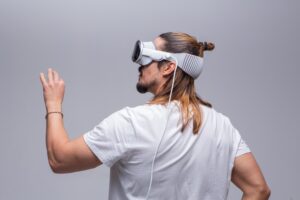
Another challenge is the learning curve associated with VR. Not all fans are familiar with VR technology, and some may find it difficult to navigate the virtual environment. This barrier can limit the audience for VR concerts, particularly among older or less tech-savvy fans. To overcome this challenge, platforms and artists must focus on creating user-friendly interfaces and providing clear instructions for first-time users. Another approach is to collaborate with experts in IT consulting in San Antonio to ensure seamless integration of user-friendly VR platforms.
Additionally, VR concerts cannot fully replicate the social aspects of traditional concerts. The energy of a live crowd, the communal experience of singing along with thousands of other fans, and the physical presence of the artist are difficult to reproduce in a virtual environment. While VR concerts can offer a level of interactivity and immersion that traditional concerts cannot, they may lack the emotional connection that comes from being physically present at a live event.
The Future of VR in Music
Despite the challenges, the future of VR in music looks promising. As VR technology continues to evolve, we can expect to see more sophisticated and immersive concert experiences. Advances in haptic feedback, spatial audio, and AI-driven interactivity will enhance the realism and emotional impact of VR concerts, making them an increasingly viable alternative to traditional live events. Many professionals in the field are also preparing for their certifications, such as the SHRM senior practice exam.
The integration of VR into the music industry also opens up new possibilities for artists and fans alike. We may see the emergence of new genres and performance styles that are uniquely suited to the virtual environment. Additionally, the global reach of VR concerts could lead to new fan bases and revenue streams for artists, particularly in regions where live music infrastructure is limited.
Moreover, the rise of the metaverse—a collective virtual shared space that includes VR, augmented reality (AR), and other digital experiences—could further transform the music industry. In the metaverse, artists could host concerts, meet-and-greets, and other events in fully immersive virtual worlds, creating new opportunities for fan engagement and monetization. The metaverse could also enable collaborations between artists across different media, such as music, film, and gaming, leading to innovative and cross-disciplinary projects.
Conclusion
The intersection of music and technology is driving a new era of live entertainment, with Virtual Reality at the forefront of this transformation. VR concerts offer a level of accessibility, creativity, and interactivity that traditional concerts cannot match, making them an exciting and viable option for artists and fans alike. While challenges remain, the continued advancement of VR technology and the growing acceptance of virtual experiences suggest that VR concerts are here to stay. Additionally, there are innovative approaches in other fields, such as insulin resistance therapy in Tulsa, which reflect a similar commitment to enhancing personal experiences.
As the music industry continues to evolve, VR will play an increasingly important role in shaping the future of live music. Artists who embrace this technology will have the opportunity to connect with their fans in new and innovative ways, while fans will enjoy a more immersive and personalized concert experience. The potential of VR in music is vast, and we are only just beginning to explore what is possible at this exciting intersection of art and technology.