
Creed occupies a unique space in the pantheon of late ’90s and early 2000s rock music, not just for their commercial success, but for the way they seamlessly intertwined spiritual themes with the sonic intensity of arena rock. At a time when grunge’s angst and alternative rock’s introspection dominated the airwaves, Creed emerged with a sound that was simultaneously massive, emotive, and, intriguingly, imbued with a spiritual resonance that many mainstream bands shied away from. Their music was not merely an auditory experience; it was a vessel for reflection, redemption, and raw emotion—a combination that set them apart in a crowded rock landscape.
The Rise of Creed: Context and Influence
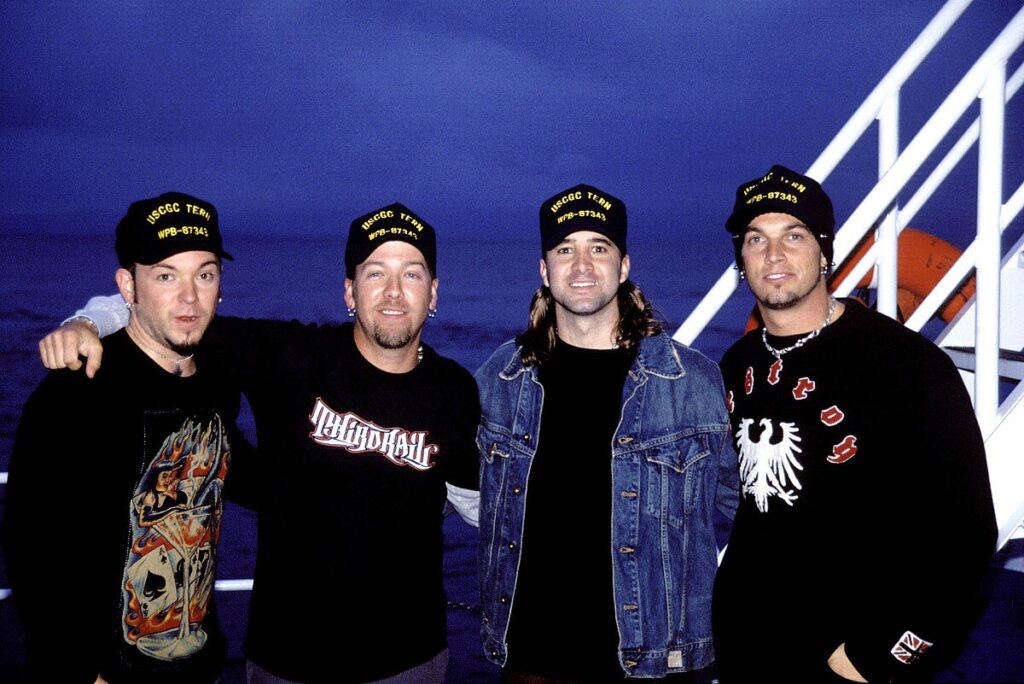
Formed in Tallahassee, Florida, in 1994, Creed was spearheaded by vocalist Scott Stapp, guitarist Mark Tremonti, drummer Scott Phillips, and bassist Brian Marshall. Their early days were marked by relentless touring and grassroots promotion, but what truly propelled them into the limelight was their ability to blend the raw energy of post-grunge rock with deeply personal and often spiritual lyricism. Their debut album, My Own Prison (1997), was not just a collection of songs; it was a statement—a proclamation that rock music could confront faith, doubt, and existential questioning without sacrificing accessibility or intensity.
Musically, Creed drew from the arena rock tradition, echoing the grand, anthemic soundscapes popularized by bands like Led Zeppelin and U2. Yet, what distinguished them from predecessors was their lyrical focus. While many arena rock bands leaned heavily on romance or rebellion, Creed explored inner struggles, redemption, and the human longing for purpose, making their music resonate on a spiritual level for listeners searching for more than superficial rock escapism.
Spirituality in Lyrics: A Core Element
One of the most striking aspects of Creed’s music is its spiritual undercurrent. Songs like “My Own Prison,” “With Arms Wide Open,” and “Higher” are emblematic of a band unafraid to explore questions of faith, divine guidance, and personal accountability. Stapp’s lyrics often convey a sense of introspective urgency, as if he is negotiating with higher powers while grappling with human vulnerability. This lyrical approach gave Creed a distinctive voice that set them apart from the often cynical or nihilistic tendencies of contemporary rock.
Yet, Creed’s spirituality was never overtly dogmatic. Instead of preaching, their music invites listeners into a shared space of contemplation. Lines that allude to sin, redemption, or divine presence are framed within relatable personal struggles, making the songs feel intimate despite the grandeur of their sound. It’s this duality—grandiose arena rock paired with introspective, faith-tinged lyrics—that created a potent combination capable of resonating with a wide audience. Fans could shout along in massive stadiums while still connecting on a personal, almost spiritual level.

Anthemic Soundscapes and Arena Rock Mastery
Creed’s ability to merge spirituality with rock is inseparable from their mastery of arena rock aesthetics. From the soaring guitar riffs of Tremonti to Stapp’s commanding baritone vocals, the band knew how to craft songs designed for both radio and the stage. Tracks like “One Last Breath” and “What If” are structured with a deliberate sense of tension and release, building momentum through verses that simmer with introspection before erupting into choruses designed to fill stadiums and ignite emotional resonance.
The band’s instrumentation complemented their lyrical focus. Tremonti’s guitar work often mirrored the emotional arc of the lyrics, oscillating between somber, contemplative tones and explosive, cathartic climaxes. Phillips’ drumming provided a heartbeat that grounded the spiritual exploration in rhythmic energy, while Marshall’s basslines added depth, ensuring that even the most reflective moments carried an underlying sense of momentum. The result is music that feels both intimate and epic, a rare feat in the post-grunge landscape.
Connecting with a Generation
Creed’s integration of spiritual themes with arena rock did more than define their sound; it captured the emotional zeitgeist of a generation. The late 1990s and early 2000s were a period of cultural flux, with younger audiences navigating the complexities of identity, purpose, and belief in an increasingly fragmented world. Creed’s music offered a form of catharsis—a chance to confront personal fears, reflect on moral and spiritual questions, and find solace in communal musical experiences.
This connection was amplified by the band’s live performances, where the physicality of arena rock collided with the introspective weight of the lyrics. Concerts were not just shows; they were emotional journeys. Fans reported feeling a sense of collective reflection, as though the music provided a space for both personal and shared contemplation. In this way, Creed succeeded where many of their contemporaries faltered: by creating music that was commercially massive yet emotionally profound.
The Duality of Accessibility and Depth
One of the most remarkable aspects of Creed’s approach is their ability to balance accessibility with thematic depth. Their songs are melodically approachable, with choruses that lodge in the listener’s memory and instrumentation that aligns with popular rock conventions. Yet, beneath this surface lies a layer of complexity, as the lyrics navigate existential dilemmas and spiritual reflection. This duality made Creed appealing to casual listeners while also resonating deeply with those seeking more substantive engagement with music.
Critics often underestimated this sophistication, dismissing Creed as formulaic or overly earnest. Yet, a closer examination reveals a band that consciously crafted their music to operate on multiple levels. The arena-ready hooks drew listeners in, while the introspective content provided a lasting emotional impact, ensuring that their songs endured beyond fleeting chart success.

Controversy, Criticism, and Cultural Reception
No discussion of Creed’s merger of faith and rock would be complete without acknowledging the controversy surrounding their reception. Critics were often divided, with some accusing the band of being overly sentimental or formulaic, while others praised them for their courage in exploring spiritual themes in a mainstream rock context. This tension reflects a broader cultural ambivalence toward spirituality in popular music: while audiences may crave meaning, critics often measure artistic merit through cynicism and complexity rather than emotional resonance.
Despite the mixed critical reception, Creed’s cultural impact is undeniable. Their albums sold millions of copies worldwide, and songs like “With Arms Wide Open” became defining anthems of the era. The band’s willingness to address spirituality without alienating mainstream audiences contributed to a broader acceptance of introspective, faith-adjacent themes in rock music, influencing subsequent artists in post-grunge and alternative rock genres.
Musical Legacy and Influence
Creed’s influence extends beyond album sales and chart positions. Their integration of spiritual themes into accessible rock paved the way for other bands to explore similarly ambitious emotional terrain. Groups such as Alter Bridge—formed by Tremonti, Phillips, and later including Myles Kennedy—continued this lineage, expanding on Creed’s musical and thematic foundations while exploring new sonic textures.
Moreover, Creed demonstrated that rock music could be both commercially viable and thematically ambitious. By bridging personal introspection with stadium-filling soundscapes, they redefined the boundaries of post-grunge rock, proving that spiritual and existential exploration need not be confined to niche genres or subdued acoustic settings. Their approach resonates even today, as contemporary rock and alternative bands continue to grapple with how to balance emotional depth with mainstream appeal.
Conclusion: The Enduring Power of Faith in Rock
Ultimately, Creed’s significance lies in their ability to merge spirituality with the spectacle of arena rock, creating music that is simultaneously cathartic, introspective, and universally appealing. They challenged the conventions of their genre by proving that rock music could confront questions of faith, doubt, and redemption without sacrificing energy, accessibility, or emotional impact.
Creed’s legacy is a testament to the enduring power of music that speaks to both the heart and the mind. Their songs continue to resonate because they tap into something fundamentally human: the search for meaning, the struggle for understanding, and the desire to connect with something larger than ourselves. In a landscape often dominated by cynicism and rebellion, Creed offered something rare—a chance to reflect, feel, and find redemption in the raw, soaring embrace of rock.
In the end, Creed did more than write songs; they built an emotional bridge between the spiritual and the sonic, a bridge that continues to carry listeners across the turbulent waters of life, belief, and rock music itself.