
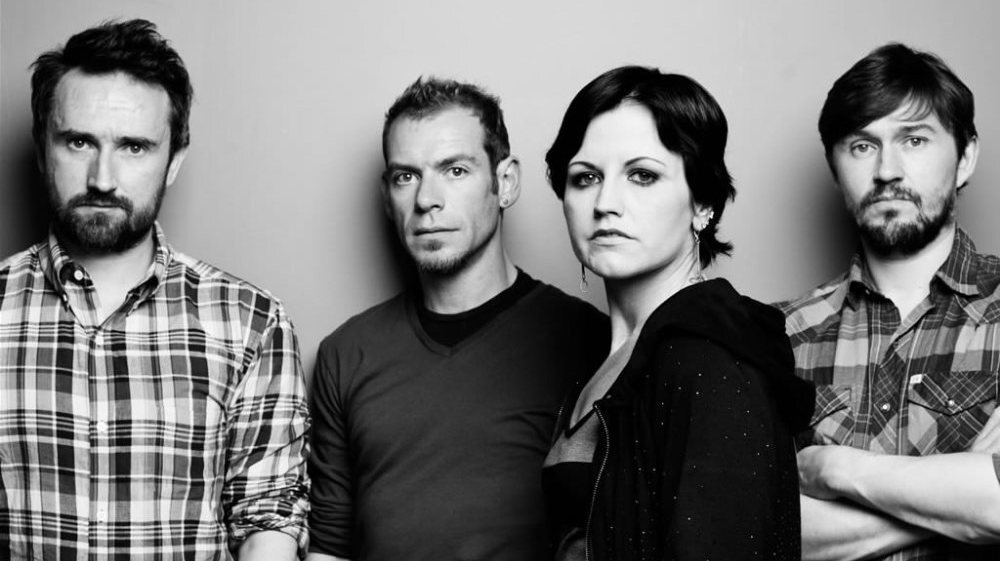
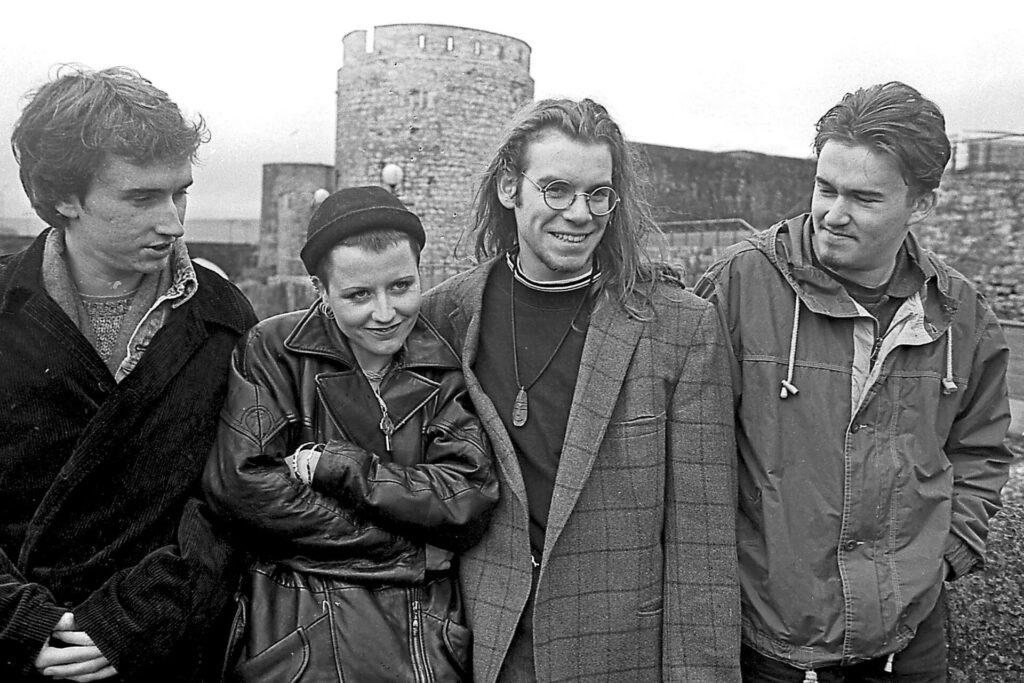
Few bands in the landscape of 1990s rock managed to carve a niche as distinct as The Cranberries. Hailing from Limerick, Ireland, the group—comprised of Dolores O’Riordan, Noel Hogan, Mike Hogan, and Fergal Lawler—was more than just an alternative rock band; they were a bridge between the raw, edgy energy of rock and the rich, haunting melodies of Irish tradition. Their music offered an emotive depth and a sonic signature that distinguished them from the grunge-heavy currents of their era. While the world often categorized them under alternative or indie rock, their sound was far more nuanced, grounded in a Celtic sensibility that informed every note, chord, and lyric.
Rock Foundations with a Celtic Soul
The Cranberries’ emergence in the early 1990s coincided with a period when rock music was undergoing seismic shifts. Grunge from Seattle had claimed the global stage, and Britpop was starting to define its own identity across the English Channel. Amid these dominating forces, The Cranberries carved a space that was recognizably rock but imbued with an ethereal, Celtic spirit. Their guitars carried the melodic clarity typical of rock, yet they often harmonized with O’Riordan’s unmistakable vocals, which bore the lilt and cadence of Irish speech. Songs like Dreams and Linger exemplified this marriage: the driving guitar riffs rooted in alternative rock were softened and elevated by melodies that drew from traditional Irish music.
This duality gave the band a distinct voice within rock. Unlike the confrontational aggression of grunge or the swagger of Britpop, The Cranberries brought a haunting introspection, a lyrical and sonic depth that was both personal and universally resonant. Their rock identity was never diluted by their Celtic influences; instead, it was strengthened, offering listeners a form of rock music that was simultaneously powerful, melodic, and culturally rich.
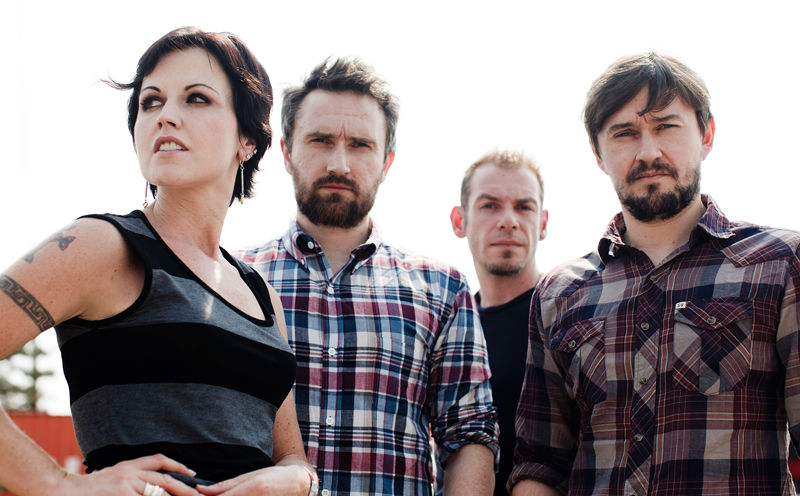
Dolores O’Riordan: A Rock Voice Like No Other
Central to The Cranberries’ sonic identity was Dolores O’Riordan, whose voice became synonymous with the band’s distinctive sound. Her vocal range was remarkable, moving effortlessly from soft, contemplative tones to intense, raw wails that carried the emotional weight of rock music. But beyond technical prowess, O’Riordan’s delivery was inherently tied to her Irish heritage. The subtle rhythmic patterns and emphatic enunciation often mirrored traditional Irish singing, lending a lyrical cadence that was both compelling and unique in a rock context.
Her voice was more than an instrument; it was the emotional backbone of the band. In tracks like Zombie, O’Riordan’s urgent, almost primal vocal performance elevated the song beyond a typical rock anthem into a politically charged statement, demonstrating the power of rock music to carry social and cultural commentary. Even in softer tracks, her voice had a haunting, almost mystical quality, echoing the storytelling traditions of Celtic music while firmly rooted in rock’s energy and structure.
Guitar Work and Melodic Craftsmanship
Noel Hogan’s guitar work provided the perfect counterpart to O’Riordan’s voice. While grounded in the alternative rock style of the era, his riffs often contained melodic flourishes reminiscent of Irish folk music. These subtle inflections, whether in arpeggiated chords or cascading melodic lines, created a layered sound that was both accessible and richly textured. In songs like Ode to My Family, the guitars are not simply rhythmic support; they weave through the song, adding narrative depth and complementing the lyrical themes of nostalgia, family, and identity.
The Cranberries’ approach to guitar arrangements highlighted a fundamental aspect of their rock identity: the band was not concerned with sheer aggression or virtuosic displays. Their rock ethos was melodic, emotive, and structured around creating an immersive atmosphere. This combination of driving rock energy with melodic, almost lyrical guitar work helped distinguish them from their contemporaries, giving their music a timeless quality that continues to resonate.
Rhythmic Foundations and Rock Authenticity
Fergal Lawler’s drumming and Mike Hogan’s basslines anchored The Cranberries’ music in rock credibility. Lawler’s drumming was precise yet expressive, capable of driving a high-energy track like Salvation or providing delicate rhythmic support on introspective numbers like Linger. Mike Hogan’s bass often carried subtle counter-melodies, adding harmonic richness and grounding the band’s ethereal qualities in a solid rhythmic foundation.
Together, the rhythm section ensured that The Cranberries’ Celtic flourishes never drifted into the realm of folk novelty. Their music was undeniably rock: the drums and bass delivered the necessary punch, momentum, and drive that defined the genre. Yet, within that framework, the Celtic nuances found room to breathe, allowing the band to craft songs that were both immediately engaging and emotionally complex.
Integrating Storytelling into Rock
A key element of The Cranberries’ sound was their commitment to storytelling, a trait deeply rooted in Celtic tradition. Rock music often thrives on raw emotion, rebellion, or rhythmic power, but The Cranberries used the genre to tell stories, explore social issues, and examine personal and collective trauma. From political anthems to songs about love, loss, and identity, their lyrics were poignant and evocative, reinforcing the band’s cultural and musical authenticity.
Zombie remains the most emblematic example of this fusion. While the song is driven by a heavy, distorted rock riff, its lyrical content and O’Riordan’s visceral vocal delivery transform it into a narrative about violence, conflict, and memory. Here, rock becomes a vessel for a larger story, blending aggression and melody with a message steeped in historical and cultural consciousness. The Cranberries’ ability to fuse storytelling with rock instrumentation set them apart in an era dominated by music that often prioritized sound over substance.
Producing a Distinctive Rock Sound
The production of The Cranberries’ albums also reinforced their unique sonic identity. The band favored clarity and balance, ensuring that each instrument and vocal line contributed to the overall emotional impact. Unlike some rock productions of the 1990s that emphasized loudness and aggression, The Cranberries’ recordings allowed space for nuance. The subtle interplay between guitar, bass, drums, and O’Riordan’s voice created a soundscape that was lush, cinematic, and unmistakably their own.
Producers working with the band understood the importance of highlighting their dual identity. Whether it was the shimmering guitar tones, the echoing drum patterns, or the natural resonance of O’Riordan’s vocals, every element was designed to maintain the tension between rock immediacy and Celtic introspection. This careful production ensured that the band’s albums, from Everybody Else Is Doing It, So Why Can’t We? to To the Faithful Departed, remained cohesive and impactful, offering a listening experience that was both familiar and refreshingly unique.
Cultural Impact and Legacy
The Cranberries’ fusion of Celtic roots with rock music has left a lasting impact on both genres. They proved that a rock band could maintain its cultural identity without compromising on energy, relevance, or global appeal. Their music opened doors for other Irish artists and bands, showing that traditional influences could coexist with modern rock sensibilities. In doing so, they expanded the boundaries of what rock music could be, emphasizing melody, narrative, and emotional authenticity over pure aggression or trend-driven sound.
Their influence is evident in the work of later bands who seek to blend folk elements with rock structures, as well as in artists who prioritize lyrical depth and emotive delivery. The Cranberries demonstrated that rock could be introspective, culturally grounded, and globally resonant all at once, leaving a blueprint for artists who strive to balance authenticity with mass appeal.
Enduring Power of Their Rock Identity
Even decades after their initial success, The Cranberries remain a touchstone for fans of rock music who value substance, emotion, and musical identity. Their songs continue to be celebrated for their distinctive sound, their blend of Celtic influence and rock energy, and O’Riordan’s unforgettable voice. The band’s catalog represents a rare achievement: music that is emotionally rich, culturally rooted, and undeniably rock. Their sonic identity remains a testament to the power of merging tradition with innovation, showing that rock music is not just about loud guitars and fast rhythms but about storytelling, emotion, and artistic vision.
The Cranberries’ journey highlights an essential truth about rock music: its strength lies not in conforming to a single style but in the ability to absorb, transform, and communicate diverse influences. By integrating their Celtic heritage into a rock framework, The Cranberries created a sound that was at once familiar and groundbreaking, local and global, tender and fierce. It is this balance that cements their legacy as one of the most distinctive rock bands of the 1990s, a group whose music continues to resonate with listeners across generations.
Conclusion
The Cranberries were more than just an alternative rock band; they were cultural emissaries, musical innovators, and storytellers. Their unique ability to merge Celtic roots with rock music gave them a sonic identity that was unmistakable, one that continues to inspire and captivate audiences. Through Dolores O’Riordan’s transcendent vocals, Noel Hogan’s melodic guitar work, and the rhythmic foundation laid by Fergal and Mike Hogan, the band forged a path that honored both their heritage and the raw power of rock. In an era defined by trends and stylistic battles, The Cranberries demonstrated that authenticity, melody, and emotion could coexist within rock music, creating a legacy that remains as powerful and moving today as it was when their first notes first echoed out of Limerick.