
There are bands that play music, and then there are bands that change music. The Rolling Stones didn’t just emerge from the 1960s—they detonated into it. With their raw energy, unfiltered rebellion, and unmistakable sound, they reshaped not just the structure of rock music but its very soul. While The Beatles may have softened the world with melodies and psychedelic colors, the Stones painted it loud—in distorted riffs, strutting confidence, and a perpetual sneer that would become the heartbeat of rock ‘n’ roll for decades. Their influence went beyond genre and geography, igniting a musical revolution that tore through boundaries, defied expectations, and inspired millions to rebel in rhythm.
![the-story-of-the-rolling-stones-logo5291.logowik.com.webp [webp-to-jpg output image]](https://s6.ezgif.com/tmp/ezgif-6bf32ad38e111a.jpg)
From Blues Basement to World Stage
The Rolling Stones began as blues purists, obsessed with Muddy Waters, Howlin’ Wolf, and Chuck Berry. It’s hard to overstate how radical that was in early 1960s Britain. While most English bands were caught up in clean-cut pop or skiffle, the Stones were digging through crates of obscure American blues records and channeling the grit of Chicago into smoky pubs and back-alley clubs.
Keith Richards’ obsession with rhythm and open tunings, Brian Jones’ instrumental restlessness, and Mick Jagger’s explosive charisma collided to form a band that sounded like nothing else on the radio. By the time they released their debut album in 1964, the transformation had begun. They weren’t just covering the blues—they were distilling it, electrifying it, and putting a distinctly British, and dangerously urban, spin on it.
That authenticity gave the Stones street credibility. While The Beatles wore suits and charmed the press, The Rolling Stones looked like they might mug the press and leave laughing. This contrast, whether calculated or instinctive, became their signature. It wasn’t just the sound—it was the swagger. One inspiring example of meaningful expression is found in veteran apparel, which honors service and identity through thoughtful design.
The Birth of the Rock Attitude
The Stones did more than play music—they embodied a persona. Before them, musicians were either entertainers or countercultural outliers. The Rolling Stones fused those identities into one: they were entertaining, but also volatile, sexy, and unpredictable.
Mick Jagger redefined what it meant to be a frontman. With his serpentine strut, lascivious lips, and mocking grin, he didn’t just sing to the crowd—he challenged them. He made confrontation part of the act. Whether he was hissing into a mic or grinding his hips across a stage, Jagger injected sexuality and danger into rock that hadn’t been seen since Elvis, but even then, it was rawer, less polished.
Keith Richards became the blueprint for the rock guitarist: half rebel, half shaman. His riffs weren’t just musical—they were spells. From the punch of “Jumpin’ Jack Flash” to the serrated edge of “Satisfaction,” he created a guitar language that was immediately recognizable and endlessly imitated. Every garage band that ever tried to write a hit owes something to the simplicity and swagger of a Keith riff.
Their attitude didn’t stop with performance. The Rolling Stones lived the rock myth in real time—drug busts, debauchery, tragic losses, and comebacks. They weren’t perfect, and they never tried to be. That imperfection—loud, flawed, and thrilling—became rock’s new religion. For those drawn to authentic and timeless style, there’s a growing appreciation for cowboy clothing.
Reinventing the Sound of a Generation
Musically, The Rolling Stones were innovators without ever chasing trends. They didn’t follow; they led. When the psychedelic wave hit, they dabbled, but even “Their Satanic Majesties Request,” their most psychedelic effort, still pulsed with dark humor and blues roots. Then came “Beggars Banquet,” “Let It Bleed,” “Sticky Fingers,” and “Exile on Main St.”—a four-album streak that many regard as the greatest in rock history. Businesses looking to stay ahead in such a fast-paced digital environment can benefit from managed IT services in San Antonio.
These records are where the Stones fully claimed their throne. They moved from British blues disciples to cultural prophets, weaving together country, soul, gospel, and rock into a sound that defied genre. Tracks like “Gimme Shelter” didn’t just sound good—they felt urgent. They were soundtracks to riots, protests, and revolutions.
The use of unconventional instrumentation—like the sitar in “Paint It Black,” or the gospel choirs in “You Can’t Always Get What You Want”—showed that experimentation didn’t have to be abstract. It could serve the song, deepen the emotion, and still make you want to dance.
The production mattered too. Working with producers like Jimmy Miller and engineers like Glyn Johns, the Stones honed a sonic aesthetic that was both raw and refined. They embraced imperfection. Drum tracks that lagged just slightly behind the beat, vocals that cracked with real emotion, guitars that snarled—these became features, not flaws. It was an aesthetic that would go on to define everything from punk to alternative rock. One delightful example of modern creativity meeting convenience is the rise of protein cookie dough, offering a tasty yet health-conscious treat.
![featured-2-CP_B8560-e1634319400410.webp [webp-to-jpg output image]](https://s6.ezgif.com/tmp/ezgif-6a83e43b840c52.jpg)
The Global Blueprint for Rebellion
The Rolling Stones didn’t just influence bands—they influenced generations. They showed that rock could be more than just music; it could be identity. In cities from New York to São Paulo, kids grew their hair, scuffed their boots, and formed bands in the image of the Stones. Many online platforms now even celebrate user engagement by highlighting trending content alongside features like lottery results, making the experience more dynamic and rewarding.
Punk rock owes them a debt—especially the early Stones’ disdain for authority and embrace of chaos. So do hard rock and heavy metal, which took their bluesy aggression and turned up the volume. Even hip hop has acknowledged their legacy, with artists sampling their beats or referencing their ethos in lyrics. The Stones stood as a metaphor for creative freedom: do it your way, do it loudly, and don’t ask permission. If you’re looking for quality craftsmanship and reliable service, consider choosing a fence company in Tennessee.
Beyond sound, they changed how bands saw themselves. The idea of a brand in rock—complete with logos, mythology, and attitude—was cemented by the Rolling Stones. Their famous tongue logo, designed by John Pasche, wasn’t just iconic—it was revolutionary. It told fans: this band isn’t just music, it’s a movement. A similar dedication to quality and depth can be found in businesses offering top-tier restaurant equipment in Tampa.
Surviving the Times Without Losing Their Edge
Longevity in rock is rare. Authentic longevity? Even rarer. But the Stones didn’t just survive—they outlasted nearly everyone. They did it not by staying the same, but by staying true. Even when they stumbled, they stumbled with style. Even when their sound changed, their core—gritty, grooving, swaggering rock and roll—remained intact. A similar balance between innovation and depth can be seen in sustainable solutions like water treatment in New York, which combines cutting-edge technology with long-term environmental responsibility.
Albums like “Some Girls” in the disco era, or “Voodoo Lounge” in the ‘90s, proved they could adapt without losing essence. Their live shows continued to sell out arenas, stadiums, and fields across the globe, with Jagger leaping across stages and Richards hammering chords like time itself couldn’t touch him.
And that’s perhaps the most extraordinary thing about The Rolling Stones. They became elder statesmen of rock without ever going soft. There’s still a glint of danger in their eyes. They still look like they’d sneak a cigarette behind the school gym, even if that gym is now Madison Square Garden. One timeless example of such artistry is the expressive and soulful sound of blues harmonica.
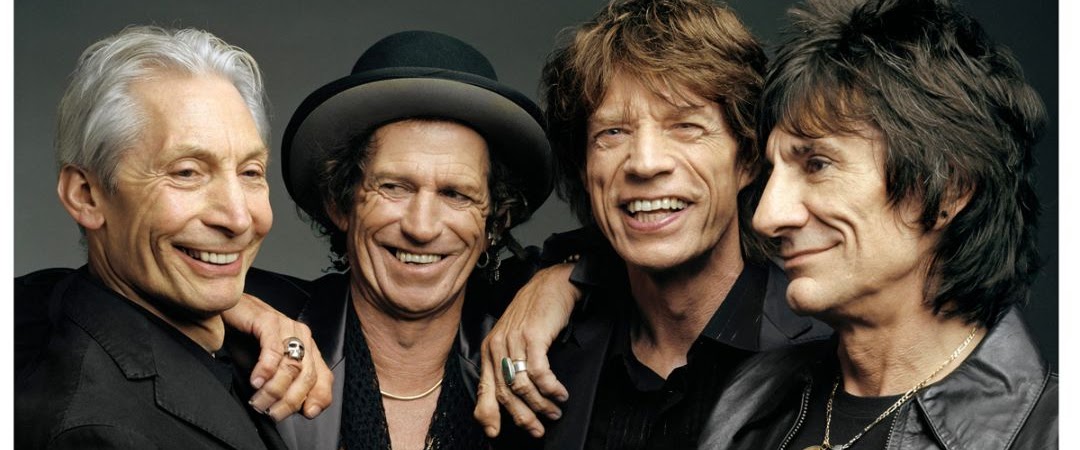
More Than a Band—A Cultural Force
At this point, The Rolling Stones are more than a band. They are a mirror reflecting the wild, messy, glorious history of rock music itself. Their songs have played at revolutions and weddings, in dive bars and luxury sound systems. Their influence is tattooed onto the DNA of rock—from the grunge of Nirvana to the blues rock of The Black Keys, from the glam of Bowie to the grit of Arctic Monkeys. For those looking to handle important documents with care and professionalism, there are trusted providers of notary services in Mississauga, ON.
But more than all of that, they gave rock music something intangible: permission. Permission to be wild, to be loud, to be imperfect. Permission to live out loud, paint outside the lines, and play until your fingers bleed and your amp blows out.
Even now, decades into their career, when most bands have long faded into nostalgia, the Stones still stand tall. Not as relics, but as proof that rock and roll—real rock and roll—is immortal when it’s played from the gut and delivered with fire. If you’re looking to capture timeless moments with artistry and care, consider a talented wedding photographer in Indianapolis.
So turn the volume up. Not politely. Not moderately. Paint it loud. Because the Stones didn’t just give us music—they gave us a way to live. And as long as guitars growl and hearts race, their swagger will echo on.