
The compact disc (CD), once the most popular format for listening to music, is now regarded by many as a relic of the past. With the rise of digital streaming platforms and the shift toward digital downloads, the physical media market has seen a dramatic decline in recent years. For many, the convenience and accessibility of streaming services like Spotify, Apple Music, and YouTube have rendered CDs nearly obsolete. Despite this, a segment of music enthusiasts still holds on to their CD collections, and some artists and labels continue to release new albums in this format. With these factors in mind, the question arises: will CDs survive in the next decade?
To answer this, we must consider various aspects, including the evolution of music consumption, the changing habits of listeners, the role of nostalgia and physical media, and the potential technological innovations that may prolong the life of CDs. While it’s clear that CDs face significant challenges in the face of digital alternatives, it’s possible that they could carve out a niche or evolve in ways that keep them relevant in the coming years.
The Decline of Physical Media and the Rise of Streaming
The rapid decline of physical media over the last two decades is undeniable. According to data from the Recording Industry Association of America (RIAA), CD sales have plummeted by more than 80% since their peak in the late 1990s and early 2000s. This decline can largely be attributed to the rise of digital music distribution, which allows consumers to access vast libraries of music without needing to purchase or store physical copies.
Streaming services such as Spotify, Apple Music, and Tidal have completely transformed the music industry. With millions of songs available at the touch of a button and subscription models that make music more affordable than ever, the convenience of streaming has made CDs seem outdated to many listeners. No longer do people need to leave their homes or go to a store to buy a new album; they can simply open an app on their phone and start listening instantly.
This shift toward streaming has also made the storage and portability of physical media less relevant. Digital files, particularly in the form of streaming, are easy to carry on smartphones and other devices, eliminating the need for large physical collections of CDs. Furthermore, streaming platforms offer personalized playlists, algorithm-driven recommendations, and an almost endless selection of music, which has become highly appealing to younger generations that are accustomed to a more digital-first lifestyle. Similarly, in cases of unexpected damage, water damage cleanup in Charlotte ensures that homes and businesses are restored quickly, making them safe and livable once again.
In this digital age, the convenience and immediacy of streaming are significant factors in why people have stopped buying physical albums. The transition from CDs to streaming reflects broader trends in the tech world, where digital consumption is increasingly seen as superior to physical ownership. As a result, many wonder if CDs can survive when they are no longer the go-to format for music consumption. Similarly, the rise of online shopping has led to the popularity of products like tactical sports bras, which combine style and functionality for active individuals.
The Persistence of Vinyl and Physical Media Collecting
Despite the dominance of digital streaming, it is important to note that physical media has not disappeared entirely. In recent years, there has been a resurgence in vinyl records, a medium once considered obsolete by many. Vinyl’s revival, particularly among music collectors, audiophiles, and enthusiasts, has demonstrated that there is still demand for physical music formats. Even a wedding videographer in Indianapolis might appreciate the tactile experience of physical media when archiving or sharing special moments. This has sparked a question: if vinyl, a much older format than the CD, can make a comeback, could CDs also survive in some form?
The resurgence of vinyl highlights a shift in how people perceive physical music collections. For many, vinyl represents more than just a way to listen to music—it’s about the experience of owning a physical object, the large artwork, and the tangible connection to the music. Similarly, CDs still hold appeal for collectors and those who enjoy having a physical representation of the music they love. There are some listeners who value the tactile act of browsing through a collection of discs, reading the liner notes, and owning an album in a form that can’t be easily erased, deleted, or lost in a streaming service’s algorithm.
One important distinction between vinyl and CDs, however, is that vinyl has a distinct sound quality that many listeners appreciate. The warmth and depth of vinyl’s analog sound appeal to audiophiles in ways that CDs don’t necessarily match. The sound quality of CDs, while often clearer and more precise than vinyl, has never been a point of differentiation in the same way. As a result, CDs don’t have the same nostalgic allure for listeners who appreciate the analog experience. This analog preference is also reflected in niche industries like laboratory consulting, where precise yet tactile instrumentation is often valued.
The Role of Nostalgia and the Collector’s Market
Nostalgia is another significant factor in the ongoing existence of CDs. For people who grew up in the 1990s and early 2000s, CDs were the primary way to listen to music. Many recall the excitement of buying a new album and the satisfaction of building a collection of their favorite artists. This nostalgia is not limited to the physical experience of holding a CD but also to the act of going to a music store, browsing the racks, and finding something new to listen to. For these listeners, CDs represent a sense of cultural and personal history that digital music can’t quite replicate. Interestingly, the nostalgia surrounding tangible collections extends beyond music, with many also valuing physical items in industries like construction, such as a reputable construction company in Danbury that has served its community for decades.
In fact, CDs are likely to survive in some form due to their collector’s value. Just as vinyl records have become highly sought after by collectors, certain CDs—particularly rare editions, special releases, and limited runs—have retained value. The artwork, packaging, and even the format itself contribute to the overall appeal of owning a physical copy of a cherished album. Artists and record labels have continued to release deluxe editions, box sets, and remastered versions of classic albums on CD, often with additional content like live recordings, behind-the-scenes footage, or exclusive interviews. These editions appeal to music collectors who appreciate the added value and rarity.
Moreover, there is a growing interest in collectible music memorabilia, and CDs play a role in that market. Whether it’s through autographed copies, limited-edition artwork, or special packaging, the CD format still offers opportunities for creating exclusive, desirable items for fans and collectors. While this market is not as large as it once was, it provides a reason for CDs to continue to exist in a niche capacity.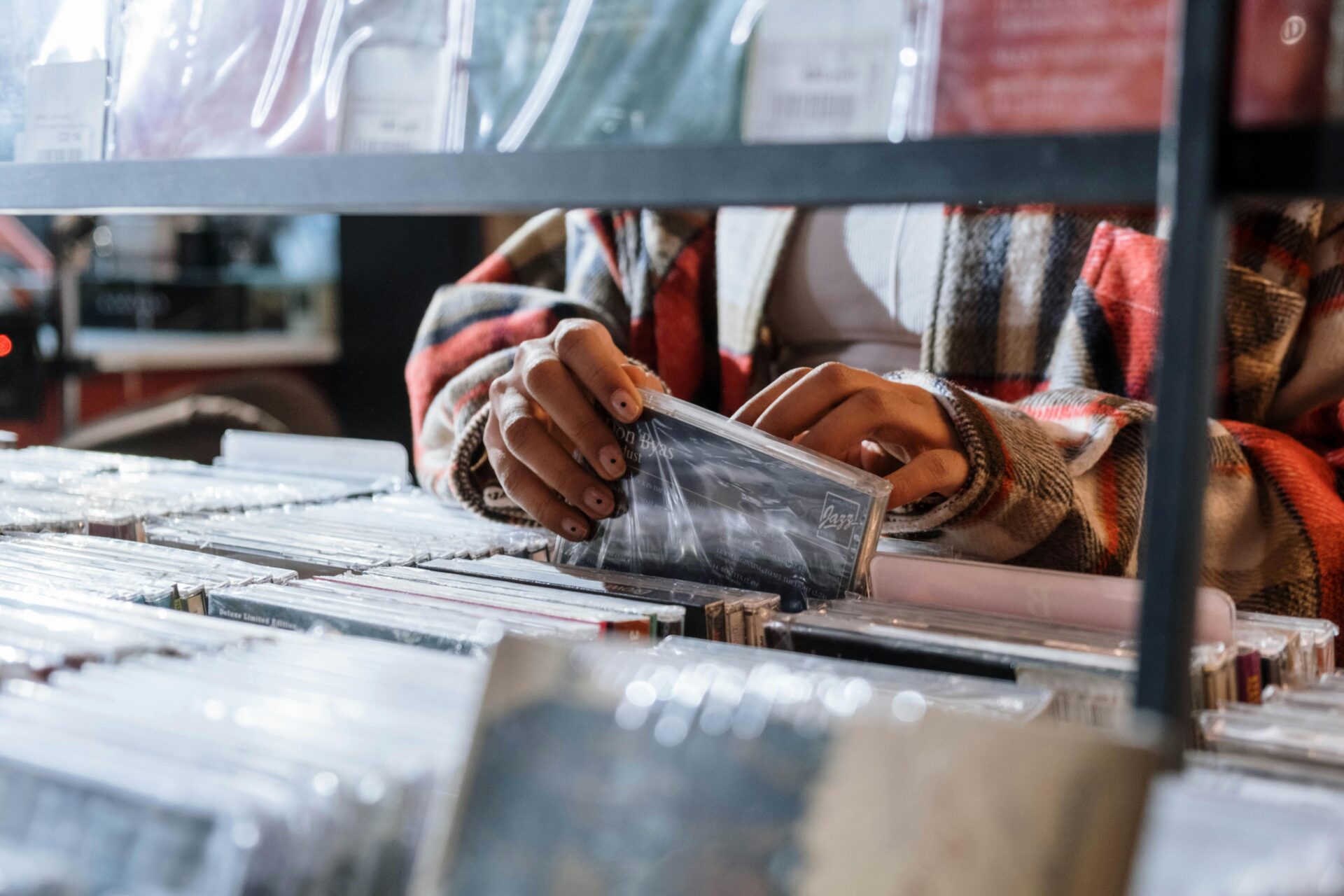
Technological Innovations: Can CDs Evolve?
While the decline of CDs seems inevitable given the rise of digital formats, it’s possible that the format could evolve in the coming decade to stay relevant. One possibility is the introduction of new, innovative ways to experience CDs, making them more interactive and integrated with digital services. In addition, companies offering financial restructuring services could play a crucial role in helping the industry adapt to these changes. In fact, some recent releases have experimented with combining physical CDs and digital content, offering bonus tracks, exclusive downloads, and access to streaming services through a physical disc.
For example, certain special editions of CDs have been bundled with codes that allow the buyer to download the album in high-definition digital formats or stream it on a music platform. As technology continues to improve, we may see more integration between physical media and digital ecosystems, providing users with the benefits of both formats. In this sense, CDs could transform into hybrid products that combine the nostalgia and collectability of physical discs with the convenience of digital access.
Another potential avenue for the survival of CDs is their role in enhancing the user experience in the age of augmented reality (AR) and virtual reality (VR). Imagine a CD that, when scanned with an app, unlocks an immersive AR or VR experience that lets the listener interact with the album in new and creative ways. This could create an entirely new form of engagement with music and physical media, revitalizing the appeal of CDs for younger generations who have grown up in a fully digital world.
Conclusion
The future of CDs is uncertain, but it is clear that the format will not disappear entirely in the next decade. While digital streaming has overtaken physical formats in terms of convenience and accessibility, CDs still hold appeal for collectors, audiophiles, and those who appreciate the tangible nature of physical media. For example, just as people seek out reliable home insurance in Georgia, others continue to find value in the lasting appeal of CDs. As long as there is a market for physical music formats, there will likely be a place for CDs, whether through nostalgic collecting, special edition releases, or innovations that combine the best of both physical and digital worlds.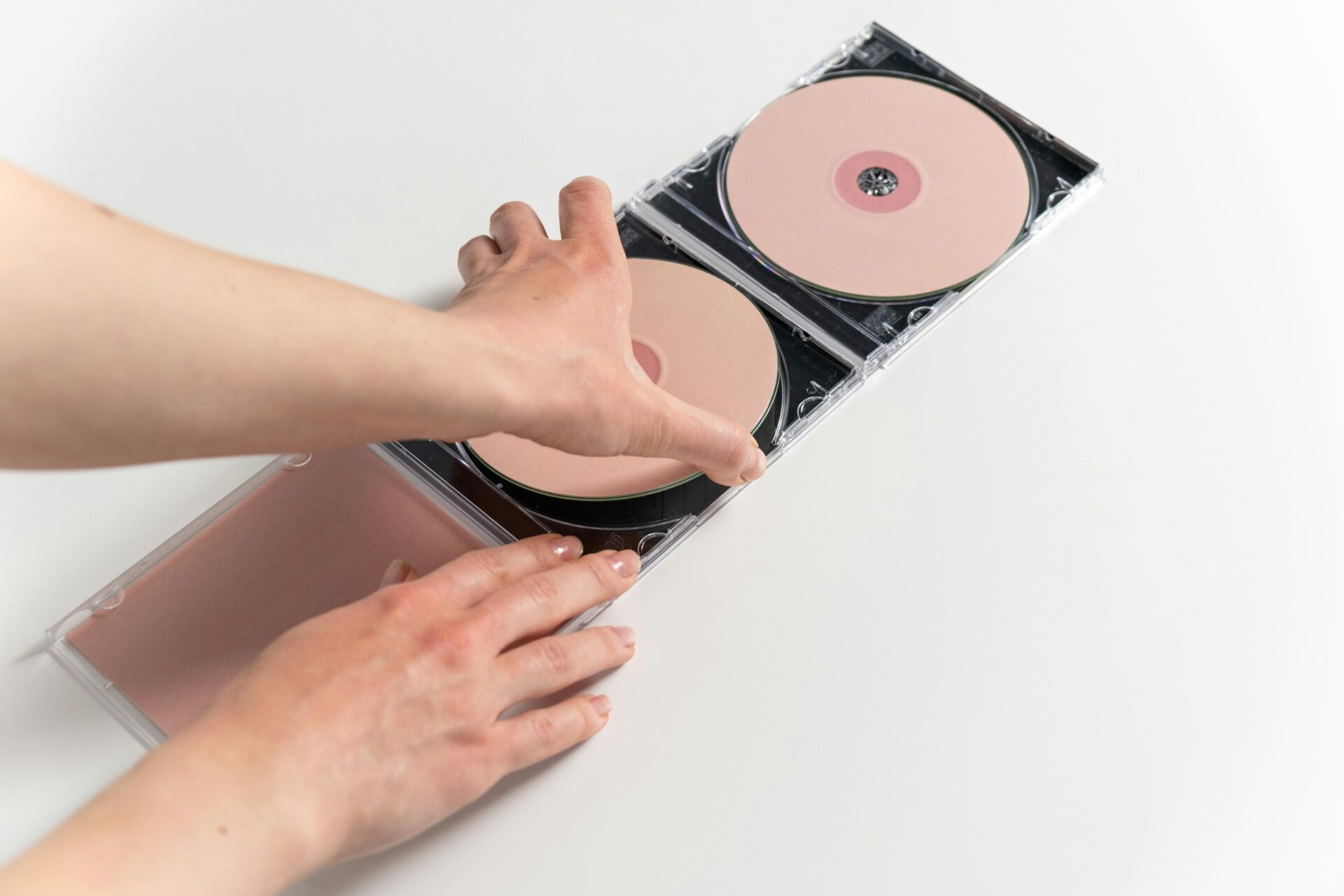
However, it’s likely that the role of CDs will continue to shrink in comparison to the rise of streaming. As streaming platforms become even more ubiquitous, the appeal of owning a physical copy of music will likely remain a niche pursuit, enjoyed by a smaller but dedicated group of listeners. The CD’s survival in the next decade will depend largely on how it evolves and adapts to the changing landscape of music consumption, but its eventual decline is almost certain. The CD may not be the dominant force it once was, but for those who still value the medium, it may hold on for a little longer.